10 things to know about Khalid Hatimy, the new Minister of Agriculture of Morocco
Khalid Hatimy, 60, has been appointed Morocco's new Minister of Agriculture, Maritime Fisheries, and Food Sovereignty, taking over a portfolio previously held by the RNI for two decades. His background in agribusiness and as a PAM Member of Parliament for Taroudant brings…
Intelligence analysis by Gemini 2.5 Flash
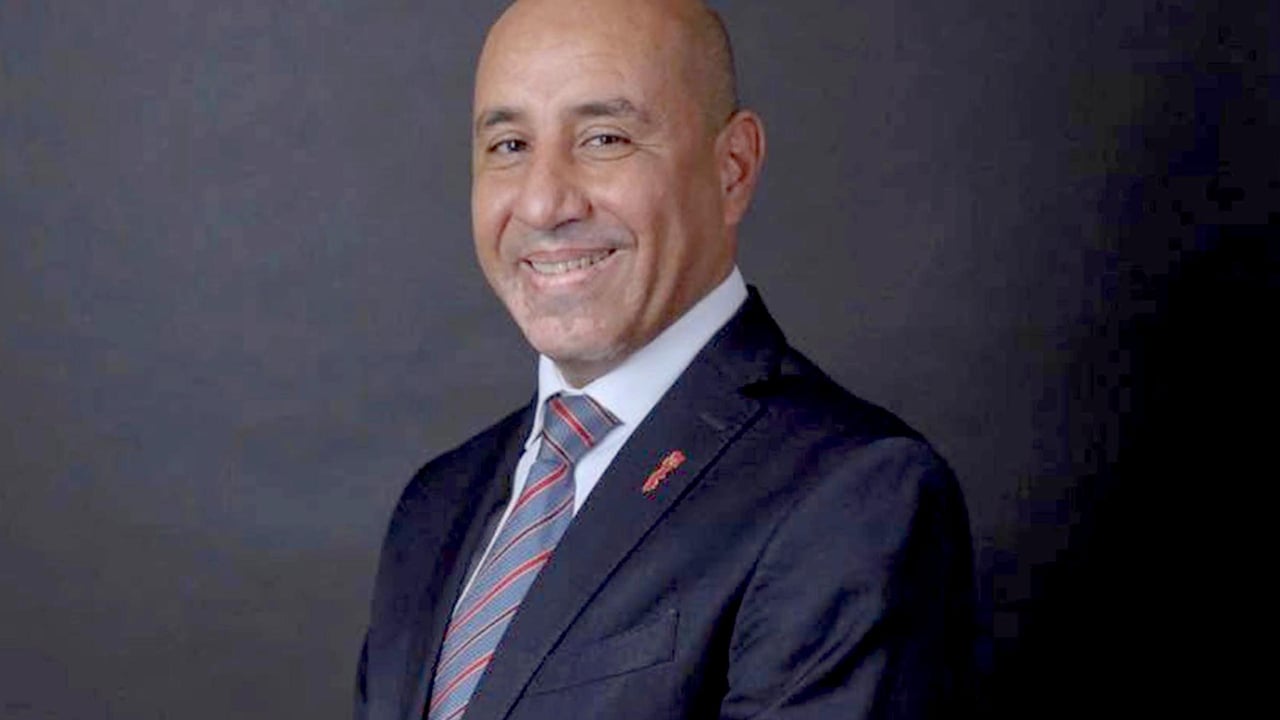
Khalid Hatimy's appointment as Morocco's Minister of Agriculture marks a significant shift, as he steps into a role long dominated by the RNI party. His extensive experience in the business sector, particularly agribusiness, combined with his political tenure as a PAM deputy, positions him as a figure embodying change and bringing a fresh perspective to a crucial economic sector.
Imagine Morocco needs someone super good at growing food and fishing to make sure everyone has enough to eat. They just picked a new boss, Khalid Hatimy, who used to run big food companies and was also a politician. He's like a new coach for the country's farms and fishing boats, hoping to make things even better and bring fresh ideas to how they get food to everyone.
Analysis
Khalid Hatimy's ascension to the position of Minister of Agriculture, Maritime Fisheries, and Food Sovereignty in Morocco represents a notable transition within the nation's political landscape. At 60 years old, Hatimy brings a distinct profile to a ministry that has been under the stewardship of the National Rally of Independents (RNI) party, led by Aziz Akhannouch, for nearly two decades. This change in leadership, particularly from a different political affiliation—Hatimy being a former Member of Parliament for the Authenticity and Modernity Party (PAM) from Taroudant—suggests a potential reorientation of strategic priorities for a sector vital to Morocco's economic stability and social welfare.
Khalid Hatimy
Khalid Hatimy's career trajectory is characterized by a blend of private sector acumen and public service. Before entering the corridors of power, he was deeply entrenched in the business world, specifically within the agro-food industry. This hands-on experience in agribusiness is a critical asset, providing him with an intimate understanding of the challenges and opportunities facing Morocco's agricultural producers, processors, and exporters. His tenure as a PAM deputy further honed his political skills and provided exposure to legislative processes and public policy formulation, preparing him for the complexities of ministerial leadership.
His background suggests a pragmatic approach to agricultural policy, potentially emphasizing efficiency, market integration, and innovation. The article highlights that his career contains "paradoxes and connections," implying a multifaceted individual whose appointment carries particular resonance. This unique blend of business and political experience could enable him to bridge the gap between industry demands and governmental objectives, fostering an environment conducive to growth and modernization within the sector.
Ministry of Agriculture
The Ministry of Agriculture, Maritime Fisheries, and Food Sovereignty is a pivotal portfolio in Morocco, given the country's reliance on agriculture for employment, exports, and food security. The fact that the RNI held this ministry for almost twenty years underscores its strategic importance and the established policies and programs that have been in place. Hatimy's appointment signals a departure from this long-standing continuity, introducing a new perspective from the PAM party. This shift could lead to a review of existing agricultural strategies, potentially introducing new initiatives focused on sustainable practices, technological adoption, or enhanced support for smallholder farmers and fishing communities.
The ministry's mandate extends beyond mere production to encompass food sovereignty, a concept that has gained increasing prominence globally. Hatimy's leadership will be crucial in navigating the challenges of climate change, water scarcity, and global market fluctuations to ensure Morocco's self-sufficiency and resilience in food supply. His business background might also inform policies aimed at value chain development, export promotion, and attracting investment into the agricultural and fisheries sectors.
Fatima Ezzahra El Mansouri
Khalid Hatimy joins the government led by Fatima Ezzahra El Mansouri, a new administration that is already signaling differences from the previous Akhannouch era. The article notes that while El Mansouri's program might appear to follow the major projects initiated by Akhannouch, a closer reading reveals "real changes of direction." Hatimy's appointment within this context suggests a broader governmental effort to inject new dynamism and potentially different ideological approaches into key sectors.
His role will be integral to the El Mansouri government's overall agenda, which, according to the royal speech of October 9, aims to continue economic emergence while extending its positive effects to social and territorial justice. The agricultural sector is intrinsically linked to these goals, particularly concerning rural development and equitable distribution of wealth. Hatimy's ability to align the ministry's objectives with the broader governmental vision will be critical for the success of the new administration's efforts to address Morocco's decisive challenges, including growth, social welfare, and territorial disparities.
Key points
- Khalid Hatimy, 60, is the new Moroccan Minister of Agriculture, Maritime Fisheries, and Food Sovereignty.
- He takes over a ministry previously held by Aziz Akhannouch's RNI party for nearly two decades.
- Hatimy has a strong background in agribusiness and served as a Member of Parliament for the Authenticity and Modernity Party (PAM) from Taroudant.
- His appointment is seen as embodying change and bringing a new perspective to the sector.
- He joins the government led by Fatima Ezzahra El Mansouri.
Hatimy's extensive background in agribusiness could lead to more efficient, market-driven policies and innovations within the agricultural sector, potentially boosting productivity and food sovereignty. His political experience as a PAM deputy might also facilitate smoother implementation of reforms and better coordination across government initiatives.
The transition from a long-standing RNI leadership to Hatimy's PAM affiliation could face resistance or challenges in continuity, potentially slowing down ongoing projects or creating friction within the government. His business-centric approach might also overlook social or environmental considerations if not carefully balanced.


