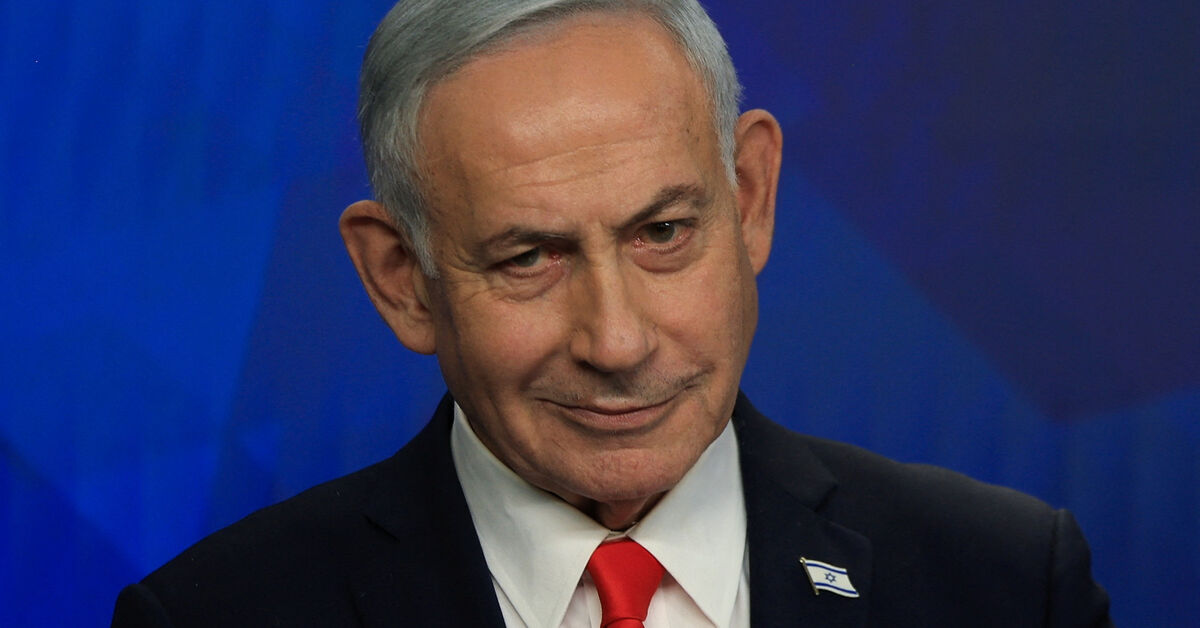
100 days into the war on Iran, Trump fails to rally US support
Polling shows most Americans oppose the war on Iran, leaving Trump with weak public backing as fighting and ceasefire talks drag on.
Intelligence analysis by GPT-5.4 Mini

One hundred days into the US-Israeli war on Iran, the conflict is still deeply unpopular in the United States. The article says that broad opposition, plus rising costs from the Hormuz disruption, could make the war a political and economic liability for Trump.
A big fight far away is starting to hurt people at home because it makes fuel and prices go up. The article says most Americans do not like the war, so it could become a hard problem for the president, like trying to run a race while carrying a heavy backpack.
Analysis
Public support is weak
The article says the war that the United States and Israel launched against Iran on February 28 has not won over the American public. Polling cited by Al Jazeera suggests most voters think bombing Iran was a bad idea, and only a small share believe the US is winning. That gap matters because Trump is trying to present the war as justified and successful, while the public appears unconvinced.
The political cost is rising
The piece argues that the lack of support could hurt Trump and Republicans heading into the November midterms. A University of Maryland Critical Issues Poll found that only 16 percent of voters think the US has won or is winning the war, while a majority say it has had more negative than positive effects on US interests. The article also notes that even among Republicans, some voters now think the war is hurting the country more than helping it.
Economic pressure is central
The war has not settled into peace. The article says a truce was reached on April 6, but skirmishes have continued in the Gulf, the Iranian blockade in the Strait of Hormuz has persisted, and the US has imposed its own naval siege on Iranian ports. That has pushed up oil and gas prices, feeding inflation and turning the conflict into a pocketbook issue for Americans.
Trump’s response
Trump dismisses the economic fallout and says his focus is stopping Iran from getting a nuclear weapon, which Tehran denies pursuing. He also says the midterms do not affect his approach. The article suggests that even if Trump acts unconcerned, domestic pressure could still shape how the war is judged at home and how much room he has politically if costs keep rising.
Key points
- Polling cited in the article shows most Americans oppose the war on Iran.
- Only 16 percent of voters surveyed said the US has won or is winning the war.
- The Strait of Hormuz disruption is raising energy prices and feeding inflation.
- Trump says domestic pressure and the midterms do not shape his Iran strategy.
- The conflict is framed as a growing political liability for Republicans.
If the ceasefire holds and talks make progress, the fighting could stay from getting worse. That would reduce the chance of more damage in the Gulf and could ease pressure on oil and gas prices.
If the Hormuz blockade and Gulf skirmishes continue, the war could keep pushing up energy costs and inflation. The article also suggests Trump could face more political backlash if voters keep seeing the conflict as harmful to US interests.