13th Hiroshima-Iran Love & Peace Film Festival launched in Japan
The 13th edition of the Hiroshima-Iran Love & Peace Film Festival was launched in Hiroshima, Japan, featuring 10 films, including 5 Iranian and 5 Japanese ones.
Intelligence analysis by Llama
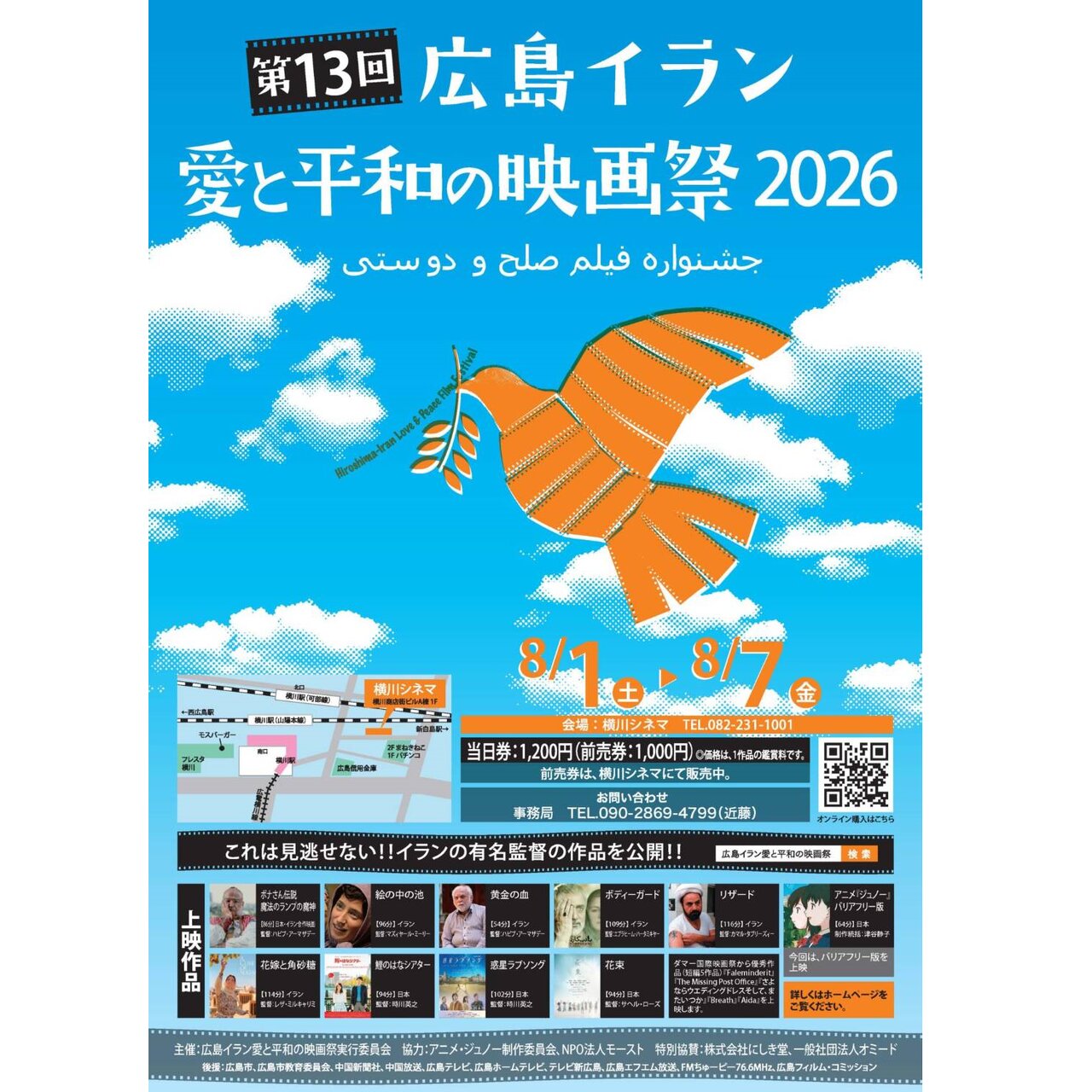
The festival aims to give courage and hope to people, including Hiroshima A-bomb and Iranian Chemical Weapon survivors, and all people. It will run through August 7.
The Hiroshima-Iran Love & Peace Film Festival is a special event that shows movies from Iran and Japan to promote peace and understanding between the two countries. The festival has been happening every summer for 13 years and features 10 movies that showcase the culture and history of both countries.
Analysis
A Celebration of Peace and Culture
The 13th Hiroshima-Iran Love & Peace Film Festival is a significant cultural event that promotes peace and understanding between Iran and Japan. The festival, which has been held every summer for 13 years, aims to give courage and hope to people, including Hiroshima A-bomb and Iranian Chemical Weapon survivors, and all people. The event features a total of 10 films, including 5 Iranian and 5 Japanese ones, which will be screened during the festival. The Iranian films selected for the festival include "The Lizard" (2004) by Kamal Tabrizi, "A Cube of Sugar" by Reza Mirkarimi, "The Painting Pool" (2013) directed by Maziar Miri, "Bodyguard" (2016) by Ebrahim Hatamikia, and "Ameneh's Golden Blood" (2025) by Habib Ahmadzadeh. These films showcase the rich cultural heritage of Iran and offer a unique perspective on the country's history and society. The festival is a significant event that promotes peace and understanding between Iran and Japan, and its impact extends to all people who have suffered from tragedy.
A Celebration of Iranian Cinema
The Iranian films selected for the festival are a testament to the country's rich cultural heritage. "The Lizard" is a comedy drama that tells the story of a recently jailed petty thief who disguises himself as a clergyman and succeeds in escaping, but has to stay in the new role longer than he expected to. "A Cube of Sugar" is a drama that takes place in an old house in an old city of Iran, where a group of sisters come together to help their mother prepare for the wedding of the youngest sister. "The Painting Pool" is a drama that depicts a couple who are different from other people, and their struggles to prove to others that they have solved the big difference with the miracle of love. "Bodyguard" is a drama that shows a government bodyguard who protects a politician from a suicide bomber, and then begins to question his dedication to his job. "Ameneh's Golden Blood" is a drama that tells the story of a young woman named Ameneh who is in dire need of blood, but her blood type is so rare that there is not a single girl in the entire country who will donate blood to her. These films offer a unique perspective on Iranian society and culture, and showcase the country's rich cultural heritage.
A Celebration of Peace and Understanding
The festival is a significant cultural event that promotes peace and understanding between Iran and Japan. The event brings together people from different cultures and backgrounds, and offers a unique perspective on the importance of peace and understanding. The festival is a testament to the power of culture to bring people together and promote peace and understanding. It is a significant event that has a lasting impact on the people who attend it, and it is a celebration of the importance of peace and understanding in our world.
Key points
- The 13th Hiroshima-Iran Love & Peace Film Festival was launched in Hiroshima, Japan, featuring 10 films, including 5 Iranian and 5 Japanese ones.
- The festival aims to give courage and hope to people, including Hiroshima A-bomb and Iranian Chemical Weapon survivors, and all people.
- The event will run through August 7 and features a total of 10 films, including 5 Iranian and 5 Japanese ones.
The festival's success in promoting peace and understanding between Iran and Japan could lead to increased cultural exchange and cooperation between the two countries, ultimately contributing to a more peaceful and harmonious world.
However, the festival's impact may be limited by the ongoing tensions between Iran and Japan, which could lead to a decrease in cultural exchange and cooperation between the two countries.