2 Pakistan army officers martyred in Mushshak training aircraft crash in Quetta: ISPR
A Pakistan Army Mushshak training aircraft crashed near Nawan Killi, Quetta, due to a technical fault, resulting in the martyrdom of two officers.
Intelligence analysis by Gemini 2.5 Flash
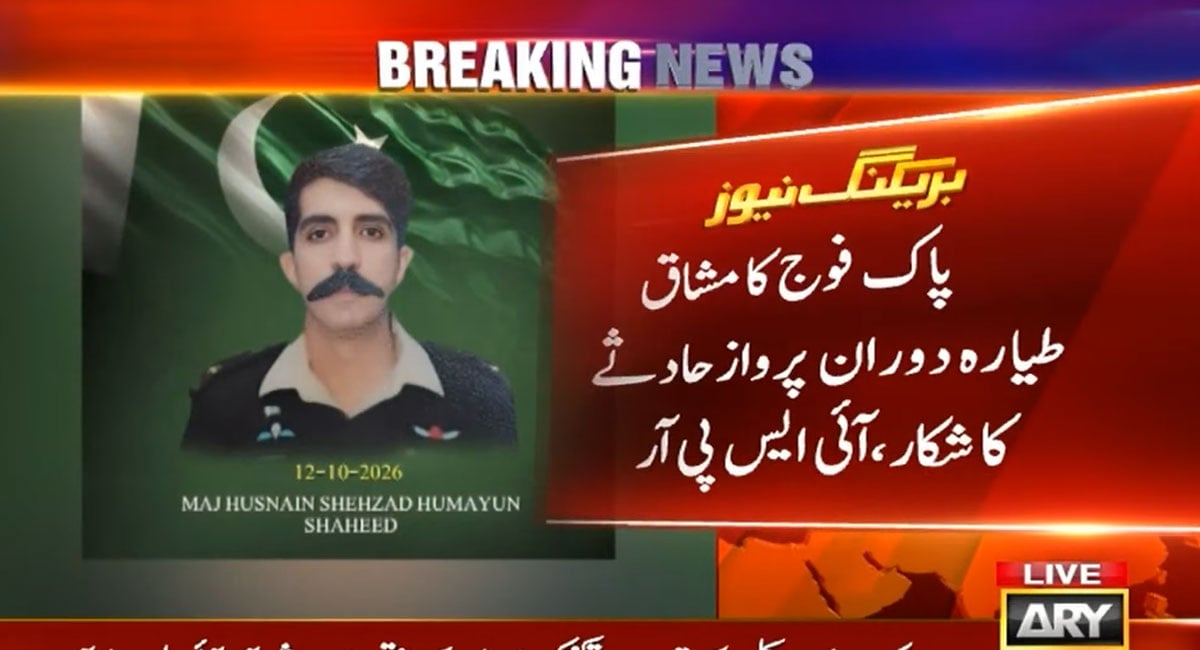
A Pakistan Army Mushshak training aircraft experienced a technical fault and crashed in Quetta, leading to the deaths of Major Husnain Shehzad Humayun, an instructor pilot, and Captain Abdul Samad, a student pilot. The Inter-Services Public Relations (ISPR) confirmed the incident.
Imagine a small airplane that teaches new pilots how to fly, like a practice car for driving. Sadly, one of these planes, called a Mushshak, had a problem and crashed in a place called Quetta. Two brave pilots, one a teacher and one a student, were hurt very badly and passed away. It was a very sad accident because of a problem with the plane's engine or parts.
Analysis
The recent crash of a Pakistan Army Mushshak training aircraft in Quetta, which resulted in the martyrdom of two officers, underscores the critical challenges faced by military aviation. Such incidents not only lead to tragic loss of life but also prompt scrutiny into the operational safety protocols and the condition of training fleets. The Inter-Services Public Relations (ISPR) confirmed a technical fault as the cause, initiating a necessary investigation into the specifics of the failure.
Mushshak
The Mushshak training aircraft is a staple in the Pakistan Army Aviation's fleet, primarily used for basic flight training. Its role is crucial in developing the next generation of military pilots, making its safety record paramount. The incident involving this particular aircraft type will likely lead to a thorough review of its maintenance schedules, operational guidelines, and potentially, its design specifications to prevent future occurrences. The reliability of training aircraft is fundamental to ensuring the continuous and safe development of skilled aviators for the armed forces.
Nawan Killi
The crash occurred near Nawan Killi, Quetta, a location that now marks a tragic site for the Pakistan Army. The geographical context of the accident, whether it was during takeoff, landing, or a specific training maneuver, will be a key focus of the inquiry. Understanding the environmental and operational conditions at Nawan Killi during the incident will be vital in determining contributing factors beyond the initial assessment of a technical fault. Local conditions, air traffic, and ground support infrastructure could all play a role in the comprehensive analysis.
2022
This incident is not isolated, as the article references a similar crash in 2022 where two Pakistan Air Force (PAF) pilots were martyred after a trainer aircraft crashed near Peshawar. That previous incident also led to the constitution of a board of inquiry by the Air Headquarters to determine its cause. The recurrence of such accidents, even if involving different services, suggests a broader need for a holistic review of aviation safety standards, training methodologies, and fleet management across Pakistan's military. Lessons learned from the 2022 inquiry should ideally inform current investigations to enhance overall aviation safety.
Key points
- A Pakistan Army Mushshak training aircraft crashed near Nawan Killi, Quetta.
- Two army officers, Major Husnain Shehzad Humayun (Instructor Pilot) and Captain Abdul Samad (Student Pilot), were martyred.
- The Inter-Services Public Relations (ISPR) attributed the crash to a technical fault.
- This incident follows a similar trainer aircraft crash in 2022 involving the Pakistan Air Force, which also resulted in two pilot fatalities.
The ongoing investigation into the technical fault, coupled with past inquiries into similar incidents, could lead to enhanced safety protocols and improved maintenance procedures for military training aircraft. This proactive approach may ultimately reduce the risk of future accidents and safeguard the lives of pilots.
The recurrence of such training aircraft crashes could raise concerns about the aging military fleet and the adequacy of maintenance, potentially impacting pilot morale and the effectiveness of training programs. This might lead to delays in pilot training or a need for significant investment in new aircraft.