2500 Displaced Syrians Return Home to Ras Al Ain After Years
Approximately 2500 displaced Syrians have returned to their homes in Ras Al Ain, Syria, as part of a broader agreement to integrate Kurdish-led institutions into the Syrian government. The move comes after months of delays and obstacles, including a lack of infrastructure…
Intelligence analysis by Llama
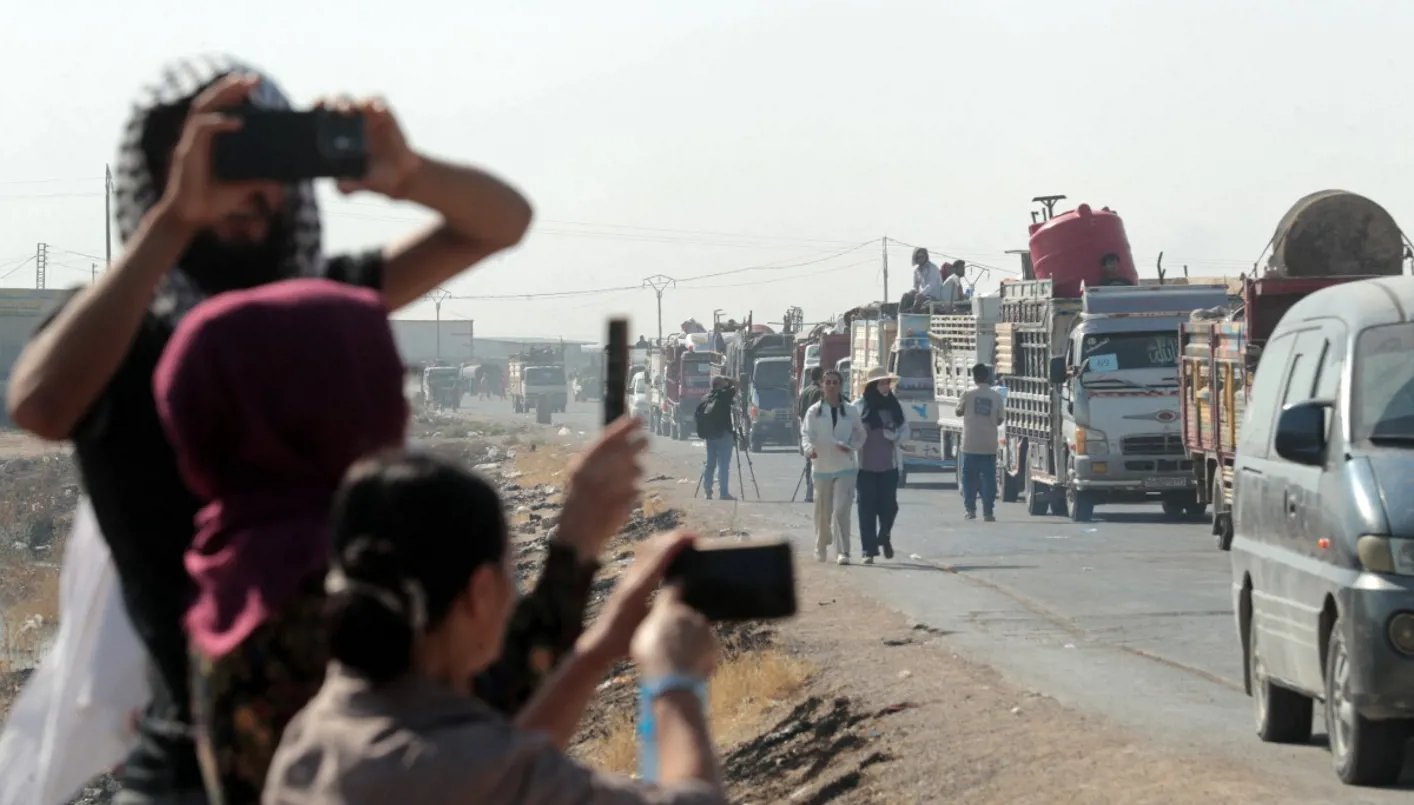
The return of the displaced Syrians marks a significant step towards the integration of Kurdish-led institutions into the Syrian government. However, challenges remain, including the need to protect property rights and provide essential services to the returning residents.
Imagine you're a family who had to leave your home because of a war. You've been living in a different place for a long time, but now you're finally going back home. That's what's happening with 2500 displaced Syrians who are returning to their homes in Ras Al Ain, Syria. It's a big step towards making the region safer and more stable.
Analysis
Background
The return of the displaced Syrians to Ras Al Ain marks a significant step towards the integration of Kurdish-led institutions into the Syrian government. This process has been ongoing for several years, with the Syrian government and Kurdish-led forces working to establish a framework for the integration of institutions.
The Agreement
The agreement between the Syrian government and Kurdish-led forces provides for the integration of institutions, including military and civilian institutions. This will allow for the return of displaced persons to their homes and the establishment of a more stable and secure environment in the region.
Challenges Ahead
Despite the progress made, challenges remain. The need to protect property rights and provide essential services to the returning residents is a pressing concern. Additionally, the lack of infrastructure and services in the region will need to be addressed in order to ensure the stability and security of the area.
Implications
The return of the displaced Syrians has significant implications for the future of the region and the stability of the Syrian government. It marks a crucial step towards the integration of Kurdish-led institutions into the Syrian government and paves the way for a more stable and secure environment in the region.
Key points
- Approximately 2500 displaced Syrians have returned to their homes in Ras Al Ain, Syria.
- The return is part of a broader agreement to integrate Kurdish-led institutions into the Syrian government.
- Challenges remain, including the need to protect property rights and provide essential services to the returning residents.
The return of the displaced Syrians is a positive development, as it paves the way for the integration of Kurdish-led institutions into the Syrian government. This could lead to a more stable and secure environment in the region, which would be beneficial for all parties involved.
However, challenges remain, including the need to protect property rights and provide essential services to the returning residents. If these challenges are not addressed, it could lead to further instability and insecurity in the region.