3 high court chief justices recommended for elevation to Supreme Court
The Supreme Court collegium has recommended the elevation of three high court chief justices to serve as judges in the country's apex court.
Intelligence analysis by Gemini 2.5 Flash
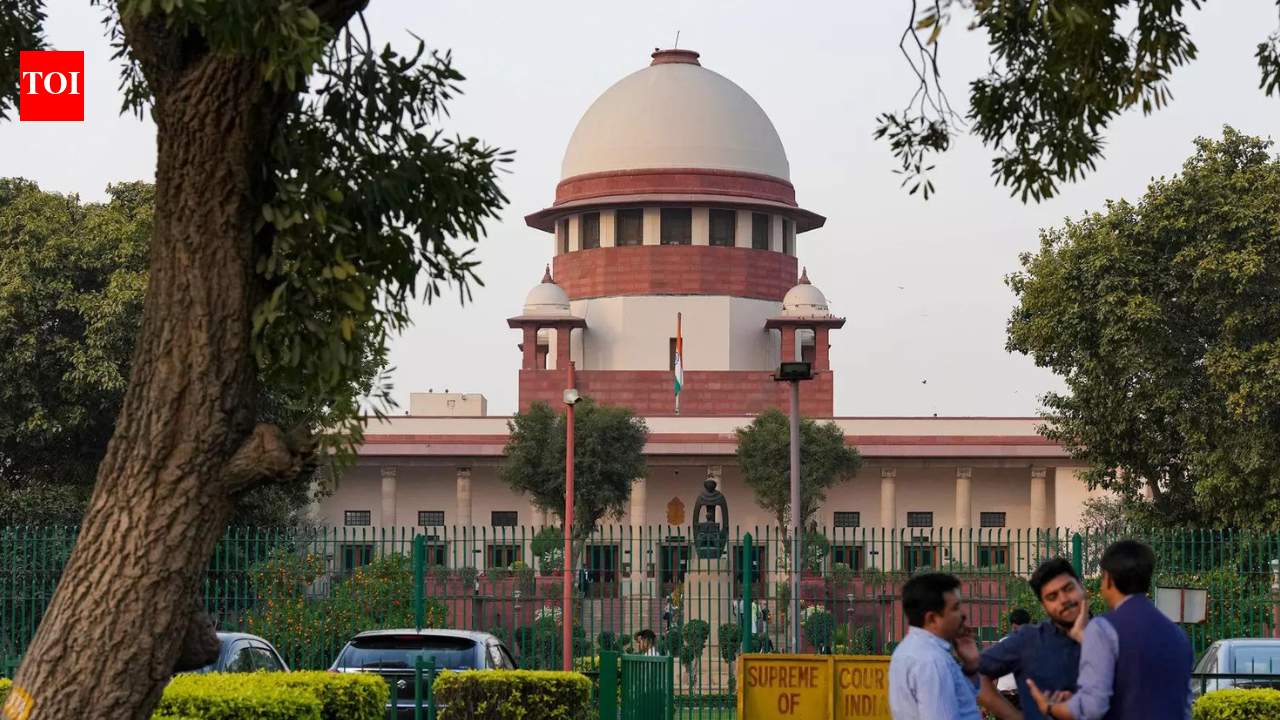
The Supreme Court collegium, a body responsible for judicial appointments, has put forward the names of Chief Justices Sunita Agarwal (Gujarat High Court), Devendra Kumar Upadhyaya (Delhi High Court), and Aparesh Kumar Singh (Telangana High Court) for elevation to the Supreme Court. These recommendations will now undergo the standard appointment procedure.
Imagine the Supreme Court as the head teacher of all the courts in India. When some of the head teachers retire, new ones need to be chosen. A special group of senior judges, like a selection committee, has picked three very experienced chief teachers from other big schools (High Courts) to join the head teacher's team. This helps make sure there are enough wise people to make important decisions for everyone.
Analysis
The recent recommendations by the Supreme Court collegium mark a significant step in strengthening the Indian judiciary by addressing potential vacancies in the apex court. The collegium's decision to elevate three chief justices from various high courts underscores a commitment to bringing experienced judicial minds to the highest judicial body in the country. This process is a cornerstone of India's judicial appointment system, ensuring that the Supreme Court maintains its capacity to deliver justice and interpret the law effectively.
The Collegium
The collegium system is the primary mechanism for appointing and transferring judges in the Indian higher judiciary, including the Supreme Court and High Courts. Comprising the Chief Justice of India and four senior-most Supreme Court judges, it plays a pivotal role in maintaining the independence of the judiciary. The recommendations made by this body are then forwarded to the government for further processing, which typically involves scrutiny by the Law Ministry and approval by the President.
This system, while often debated for its opaqueness, is designed to ensure that judicial appointments are made by judges themselves, thereby insulating the process from executive interference. The current recommendations highlight the collegium's ongoing function in identifying suitable candidates based on their judicial experience, integrity, and performance in their respective high courts. The smooth processing of these recommendations is vital for the timely filling of judicial positions.
Gujarat, Delhi, Telangana
The three high courts from which the chief justices have been recommended—Gujarat, Delhi, and Telangana—represent diverse judicial landscapes within India. Chief Justice Sunita Agarwal from the Gujarat High Court, Chief Justice Devendra Kumar Upadhyaya from the Delhi High Court, and Chief Justice Aparesh Kumar Singh from the Telangana High Court each bring unique experiences from their tenures in these significant judicial jurisdictions. Their elevation will introduce a broader range of perspectives and legal expertise to the Supreme Court bench.
High court chief justices are typically seasoned judges with extensive experience in managing court administration and presiding over complex cases. Their elevation to the Supreme Court is a recognition of their distinguished service and legal acumen. The inclusion of judges from different high courts also helps ensure regional representation and a varied understanding of legal issues prevalent across different states, enriching the Supreme Court's deliberations.
Sunita Agarwal
Justice Sunita Agarwal, currently the Chief Justice of the Gujarat High Court, is one of the three distinguished jurists recommended for elevation. Her potential appointment to the Supreme Court would not only add to the court's strength but also contribute to the diversity of its bench. The Supreme Court benefits from having judges with varied backgrounds and experiences, which can lead to more comprehensive and nuanced legal interpretations.
Her journey from a high court chief justice to a potential Supreme Court judge exemplifies the career progression within the Indian judicial system. The elevation of such experienced individuals is critical for the Supreme Court to effectively handle its constitutional mandate, including hearing appeals, issuing writs, and acting as the final interpreter of the Constitution. The formal processing of her recommendation, along with the other two, will be a key development in the coming weeks for the Indian judiciary.
Key points
- The Supreme Court collegium recommended three high court chief justices for elevation to the Supreme Court.
- The recommended chief justices are Sunita Agarwal (Gujarat), Devendra Kumar Upadhyaya (Delhi), and Aparesh Kumar Singh (Telangana).
- The recommendations will now proceed through the established procedure for appointing Supreme Court judges.
- These appointments are crucial for maintaining the full strength and efficient functioning of the apex court.
The elevation of three experienced chief justices will help in reducing the workload on the Supreme Court, ensuring that important cases are heard and decided more promptly. It also brings diverse judicial perspectives from different high courts, potentially enriching the quality of judgments and legal interpretations at the apex level.