3 S'porean self-radicalised youths detained under ISA, 1 planned attacks on SAF personnel & LGBT schoolmates
Three self-radicalised male Singaporean youths were issued with Orders of Detention (ODs) under the Internal Security Act (ISA) in April, May and June 2026, respectively. All three were self-radicalised online by violent extremist ideologies, and had each made preparation…
Intelligence analysis by Llama
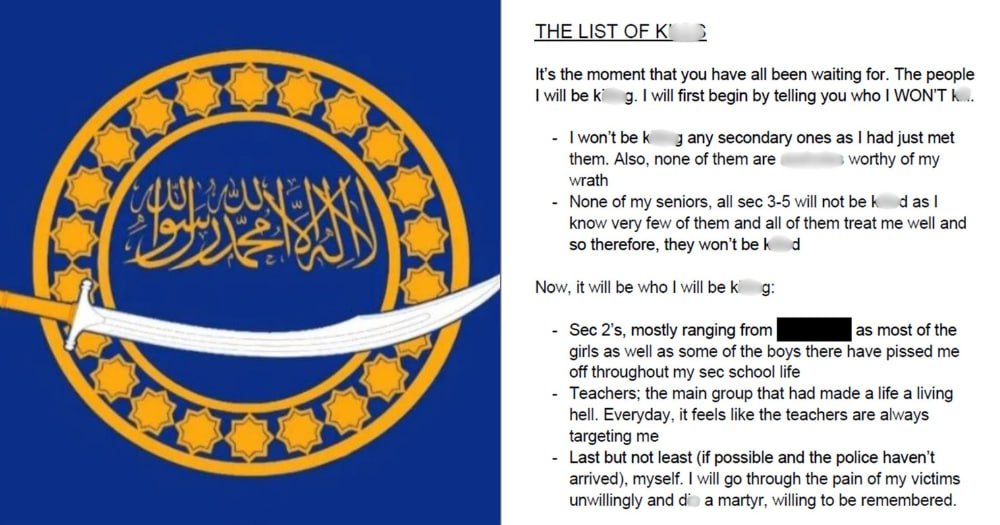
Three self-radicalised youths were detained under ISA for planning attacks in Singapore. They were radicalised online by violent extremist ideologies and had made preparations to conduct attacks.
Three self-radicalised youths were detained in Singapore for planning attacks. They were radicalised online by violent extremist ideologies and had made preparations to conduct attacks. This highlights the need for vigilance in detecting and preventing extremist ideologies in Singapore.
Analysis
A Growing Concern: Self-Radicalisation in Singapore
The recent detention of three self-radicalised youths under the Internal Security Act (ISA) has raised concerns about the growing threat of extremist ideologies in Singapore. The youths, aged 14, 15, and 19, were radicalised online by violent extremist ideologies and had made preparations to conduct attacks in Singapore.
The first case involved a 15-year-old Secondary Four student who was self-radicalised online by Islamic State in Iraq and Syria (ISIS)'s extremist ideologies. He had been exposed to a proliferation of content online depicting the suffering of Palestinians, which triggered his radicalisation. He had also joined several online groups to learn more about Islam, where he was exposed to violent extremist content that encouraged him to support terrorist groups.
The youth had considered travelling to Gaza to join Hamas in their fight against the IDF, but ultimately decided against it due to lack of resources. Instead, he expressed his support for Hamas and hatred towards Israel on social media, creating and posting a video encouraging Muslims to carry out armed violence for the Palestinian cause.
He also developed an interest in historical Islamic caliphates and ISIS through the online groups he frequented, becoming convinced that establishing an Islamic caliphate to revive the 'Golden Era' for Islam and for Muslims to live in a society ruled by sharia (Islamic law) was necessary. He believed that the use of violence was the most effective way to achieve this.
The second case involved 19-year-old Tan Jun Jie, a Muslim convert who began practising Islam in 2022 after being introduced to the religion through social media content. He was exposed to online extremist teachings of foreign preachers and subsequently to rigid and fundamentalist religious beliefs, making him susceptible to pro-ISIS and other extremist content he encountered online from January 2025.
Tan believed that armed violence was permissible against 'kuffar', or disbelievers, and had researched methods of making improvised explosives and looked into obtaining materials needed for such devices. He was subsequently arrested while still in the early stages of planning, with no specific location, target or timeline for the attack identified.
The third case involved a 14-year-old youth who was self-radicalised online by ISIS's extremist ideologies. He had been exposed to online extremist content that encouraged him to support terrorist groups and had researched methods of making improvised explosives. He was subsequently arrested while still in the early stages of planning, with no specific location, target or timeline for the attack identified.
Implications for National Security
The detention of these three youths highlights the need for vigilance in detecting and preventing extremist ideologies in Singapore. The youths were radicalised online, highlighting the importance of monitoring online activity and preventing the spread of extremist content.
The fact that the youths had made preparations to conduct attacks in Singapore also raises concerns about the potential threat to national security. The ISA allows for the detention of individuals who pose a threat to national security, and the recent detentions demonstrate the effectiveness of this law in preventing extremist ideologies from taking hold in Singapore.
Conclusion
The recent detentions of three self-radicalised youths under the ISA highlight the growing threat of extremist ideologies in Singapore. The youths were radicalised online and had made preparations to conduct attacks in Singapore, highlighting the need for vigilance in detecting and preventing extremist ideologies. The ISA has proven to be an effective tool in preventing extremist ideologies from taking hold in Singapore, and the recent detentions demonstrate the importance of this law in maintaining national security.
Key points
- Three self-radicalised youths were detained under ISA for planning attacks in Singapore.
- The youths were radicalised online by violent extremist ideologies and had made preparations to conduct attacks.
- The ISA has proven to be an effective tool in preventing extremist ideologies from taking hold in Singapore.
- The recent detentions demonstrate the importance of vigilance in detecting and preventing extremist ideologies.
The recent detentions demonstrate the effectiveness of the ISA in preventing extremist ideologies from taking hold in Singapore. This highlights the importance of vigilance in detecting and preventing extremist ideologies, and the need for continued monitoring of online activity to prevent the spread of extremist content.
The fact that the youths had made preparations to conduct attacks in Singapore raises concerns about the potential threat to national security. The ISA allows for the detention of individuals who pose a threat to national security, but the recent detentions also highlight the need for continued vigilance in detecting and preventing extremist ideologies.