4 IRGC Quds Force servicemen martyred in US strike in Iraq
Four members of IRGC Quds Force were martyred in a US strike in the Diyala governorate of Iraq. They were security guards caring about the security of Arbaeen pilgrims in Iraq.
Intelligence analysis by Llama
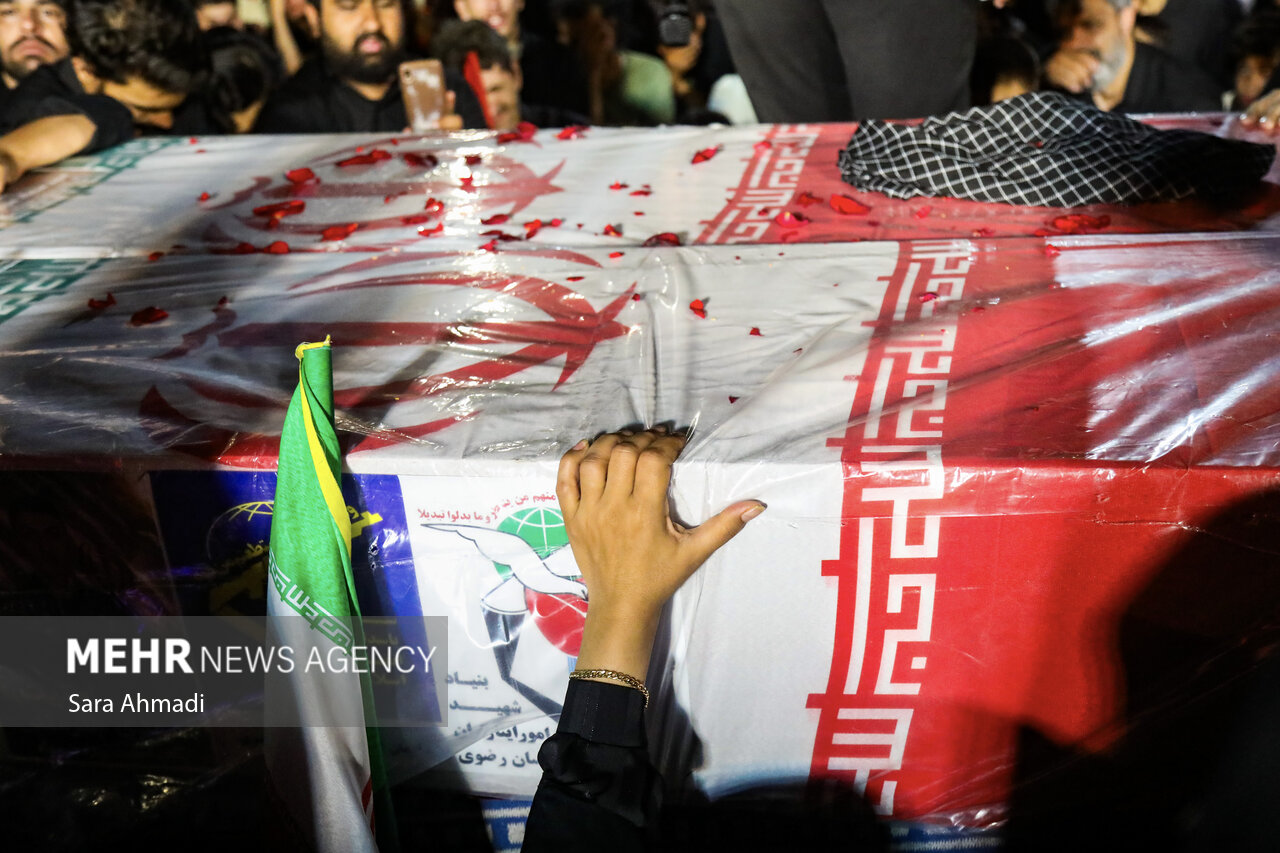
A US strike in Iraq has resulted in the martyrdom of four IRGC Quds Force servicemen who were responsible for the security of Arbaeen pilgrims. The incident occurred in the Diyala governorate.
Imagine you're on a trip to a holy city in Iraq, and some people are trying to keep you safe. Unfortunately, a US strike happened, and four of the people trying to keep you safe got hurt. This is a big deal because it shows how much tension there is between Iran and the US.
Analysis
A US Strike in Iraq: Implications for Regional Security
The recent US strike in Iraq, which resulted in the martyrdom of four IRGC Quds Force servicemen, has significant implications for regional security. The incident highlights the ongoing tensions between Iran and the US, particularly in the context of the Arbaeen pilgrimage.
The four IRGC members who were martyred were from the city of Kashan in Isfahan Province. They were security guards caring about the security of Arbaeen pilgrims in Iraq. The US strike in the Diyala governorate of Iraq has been widely condemned by Iranian officials, with the Foreign Minister denouncing the joint US-Saudi attacks on areas in Iraq.
The incident has also led to calls for the Iraqi government to expel US forces from the country. The Popular Mobilization Forces (PMF) has reacted to the joint US-Saudi strikes, emphasizing the need for bolstering joint border security in Arbaeen.
The US strike in Iraq is a clear indication of the ongoing proxy war between Iran and the US in the region. The incident highlights the need for regional countries to take a unified stance against foreign interference and to prioritize regional security.
Regional Reactions: A Call for Unity
The recent US strike in Iraq has been met with widespread condemnation from regional countries. The Iranian Foreign Minister has denounced the joint US-Saudi attacks on areas in Iraq, emphasizing the need for regional countries to take a unified stance against foreign interference.
The Popular Mobilization Forces (PMF) has also reacted to the joint US-Saudi strikes, emphasizing the need for bolstering joint border security in Arbaeen. The incident has led to calls for the Iraqi government to expel US forces from the country.
The regional reactions to the US strike in Iraq highlight the need for regional countries to prioritize regional security and to take a unified stance against foreign interference.
Implications for Regional Security
The recent US strike in Iraq has significant implications for regional security. The incident highlights the ongoing tensions between Iran and the US, particularly in the context of the Arbaeen pilgrimage.
The US strike in the Diyala governorate of Iraq has been widely condemned by Iranian officials, with the Foreign Minister denouncing the joint US-Saudi attacks on areas in Iraq. The incident has also led to calls for the Iraqi government to expel US forces from the country.
The regional reactions to the US strike in Iraq highlight the need for regional countries to prioritize regional security and to take a unified stance against foreign interference.
Key points
- Four IRGC Quds Force servicemen were martyred in a US strike in the Diyala governorate of Iraq.
- The incident has been widely condemned by Iranian officials, with the Foreign Minister denouncing the joint US-Saudi attacks on areas in Iraq.
- The Popular Mobilization Forces (PMF) has reacted to the joint US-Saudi strikes, emphasizing the need for bolstering joint border security in Arbaeen.
- The regional reactions to the US strike in Iraq highlight the need for regional countries to prioritize regional security and to take a unified stance against foreign interference.
If the Iraqi government expels US forces from the country, it could lead to a decrease in tensions between Iran and the US. This could also lead to a more stable and secure region.
If the US continues to interfere in regional affairs, it could lead to further escalation and instability in the region. This could also lead to more human casualties and damage to regional infrastructure.