4 men, aged 28-45, allegedly provided foreigners with modified foodpanda app for illegal platform work, to be charged
Four men, aged between 28 and 45, are slated to be charged for allegedly providing a modified foodpanda application to foreigners to facilitate illegal platform work.
Intelligence analysis by Llama
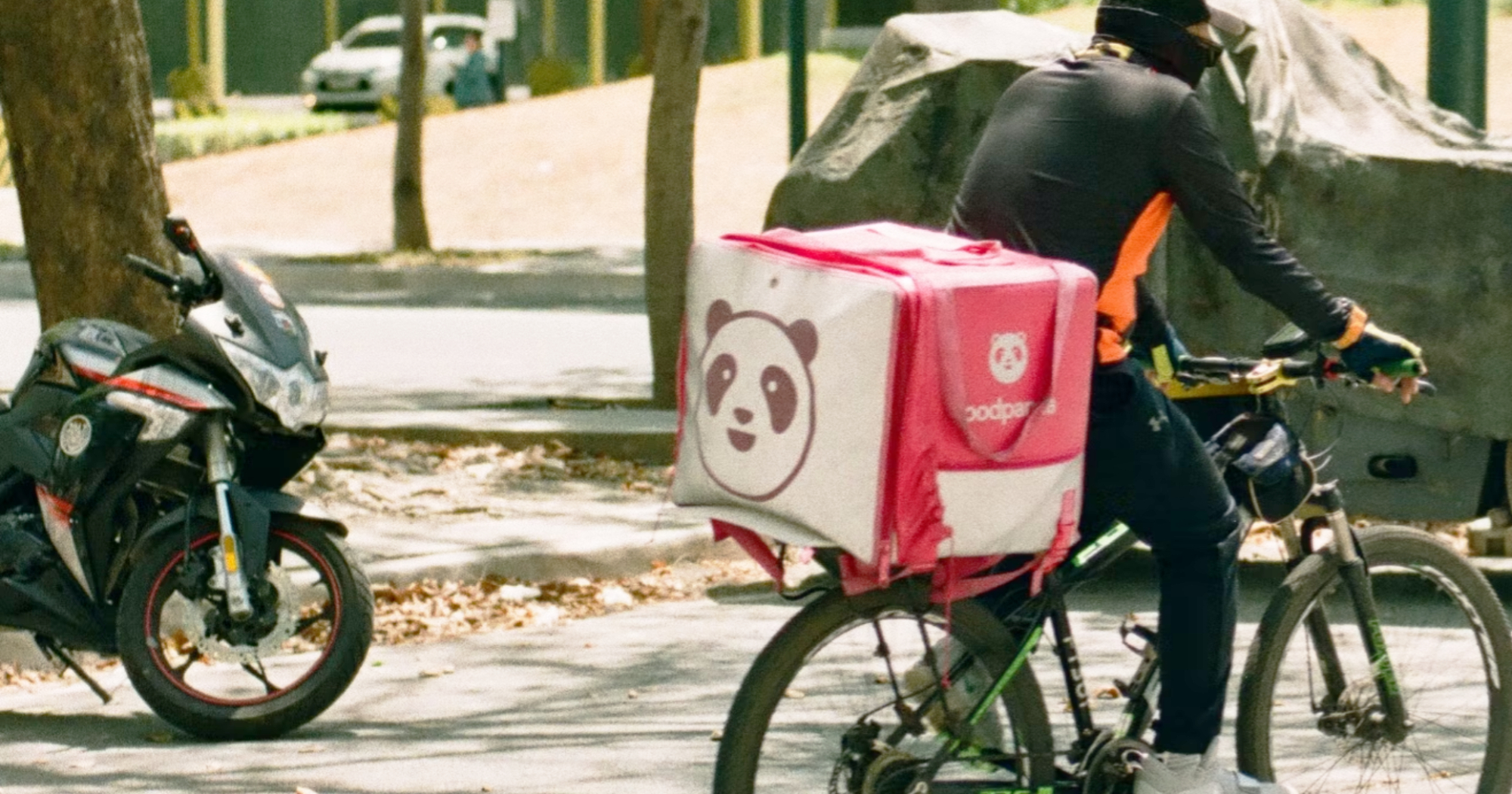
The modified application allowed foreigners to bypass real-time verification checks by uploading a photo of the account owner instead of taking a real-time selfie. This enabled foreign unauthorised users to impersonate the actual account owners and operate accounts that did not belong to them for illegal work.
Imagine you have a special app that lets you work on a food delivery platform, but someone else made a fake version of the app that lets you work without being real. This is what four men allegedly did, and now they might get in trouble. They made a fake app that let people work without being real, and this is not allowed in Singapore.
Analysis
A $60B Vote of Confidence
The recent case of four men allegedly providing modified foodpanda applications to foreigners for illegal platform work has sparked concerns about the security of food delivery platforms in Singapore. The modified application allowed foreigners to bypass real-time verification checks by uploading a photo of the account owner instead of taking a real-time selfie. This enabled foreign unauthorised users to impersonate the actual account owners and operate accounts that did not belong to them for illegal work.
The Singapore Police Force (SPF) has stated that it is illegal for foreigners to enter into platform work arrangements with platform operators, or to impersonate local platform workers and perform work using their accounts. The four men will be charged with the offence of access with intent to commit cheating, which carries a jail term of up to 10 years, a fine not exceeding S$50,000, or both.
The Ministry of Manpower (MOM) will also be investigating foreigners who worked illegally as platform workers for offences under the Employment of Foreign Manpower Act (EFMA). This case highlights the importance of ensuring that food delivery platforms are secure and that workers are not exploited.
Why Cursor?
The modified application was allegedly provided to foreigners for a fee of around S$50 to S$120 per week. This raises concerns about the potential for exploitation of workers and the need for food delivery platforms to ensure that their systems are secure.
The Road Ahead
The SPF and MOM will continue to investigate and take action against individuals and companies that engage in illegal platform work. Food delivery platforms must also take steps to ensure that their systems are secure and that workers are not exploited.
In conclusion, the recent case of four men allegedly providing modified foodpanda applications to foreigners for illegal platform work highlights the importance of ensuring that food delivery platforms are secure and that workers are not exploited. The SPF and MOM will continue to investigate and take action against individuals and companies that engage in illegal platform work, and food delivery platforms must take steps to ensure that their systems are secure.
Key points
- Four men, aged between 28 and 45, are slated to be charged for allegedly providing a modified foodpanda application to foreigners to facilitate illegal platform work.
- The modified application allowed foreigners to bypass real-time verification checks by uploading a photo of the account owner instead of taking a real-time selfie.
- The Singapore Police Force (SPF) has stated that it is illegal for foreigners to enter into platform work arrangements with platform operators, or to impersonate local platform workers and perform work using their accounts.
If this development plays out positively, it could lead to increased security measures being implemented by food delivery platforms to prevent similar cases of illegal platform work. This could also lead to greater awareness and education among workers about the risks of illegal platform work and the importance of reporting suspicious activity.
However, if this development plays out negatively, it could lead to increased exploitation of workers and a lack of trust in food delivery platforms. It could also lead to a rise in the number of individuals and companies engaging in illegal platform work, making it harder for authorities to track and prevent.