43rd Munich International Film Festival to show restored version of Beyzai’s “Bashu, the Little Stranger”
The 43rd Munich International Film Festival will show a restored version of Bahram Beyzai's “Bashu, the Little Stranger”. The film is an anti-war masterpiece that tells the story of a southern Iranian boy who loses his family during the Iran-Iraq war.
Intelligence analysis by Llama 3.3 70B
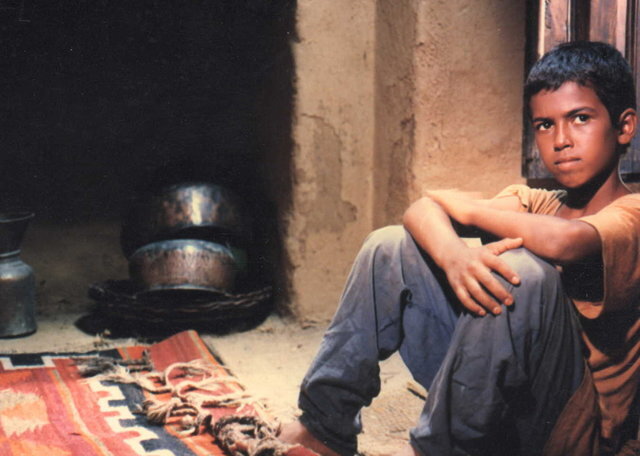
The Munich International Film Festival will honor the late Iranian filmmaker Bahram Beyzai by screening a restored version of his acclaimed drama “Bashu, the Little Stranger”. The film explores themes of love, acceptance, and loneliness in the face of war and displacement.
A famous Iranian movie called “Bashu, the Little Stranger” is being shown at a film festival in Germany. The movie is about a boy who loses his family in a war and finds a new home with a kind woman. It's a powerful story about love, acceptance, and overcoming differences.
Analysis
Introduction to Bahram Beyzai's Work
Bahram Beyzai was a renowned Iranian filmmaker, poet, playwright, and theater director. He is considered a pioneer of the Iranian New Wave, a movement that emerged in the 1960s and 1970s and sought to create a new kind of Iranian cinema that was more experimental and avant-garde. Beyzai's films are known for their subtle undertones and exploration of human emotions, and “Bashu, the Little Stranger” is no exception.
The Significance of “Bashu, the Little Stranger”
The film tells the story of a southern Iranian boy who loses his family during the Iran-Iraq war and is taken in by a woman living in a village in the northern part of the country. Despite their linguistic, ethnic, and racial differences, the woman accepts the boy and prepares to convince her disabled husband to accept him as well. The film explores themes of love, acceptance, and loneliness in the face of war and displacement, and is considered an anti-war masterpiece.
The Legacy of Bahram Beyzai
Bahram Beyzai's legacy is still celebrated today, and his films continue to be regarded as some of the best Iranian films of all time. He was a prolific filmmaker, and his other notable works include “Downpour”, “Stranger and the Fog”, and “When We Are All Asleep”. Beyzai's stories, plays, and screenplays have been published in over 70 books, and some of his plays have been translated into several languages and shown in many countries. The screening of “Bashu, the Little Stranger” at the Munich International Film Festival is a testament to his enduring legacy and the importance of his work in Iranian cinema.
Key points
- The 43rd Munich International Film Festival will show a restored version of Bahram Beyzai's “Bashu, the Little Stranger”
- The film is an anti-war masterpiece that explores themes of love, acceptance, and loneliness
- Bahram Beyzai was a pioneer of the Iranian New Wave and a renowned filmmaker, poet, playwright, and theater director
The screening of “Bashu, the Little Stranger” at the Munich International Film Festival could help to introduce Bahram Beyzai's work to a new audience and promote greater understanding and appreciation of Iranian cinema. It could also help to foster greater cultural exchange and collaboration between Iran and Germany.
The screening of “Bashu, the Little Stranger” may not receive the attention it deserves, and the film's themes and messages may not resonate with modern audiences. Additionally, the festival's focus on emerging young filmmakers may overshadow the legacy of established filmmakers like Bahram Beyzai.