5 commissionerates, 6,633 posts: Karnataka gives in-principle nod to split Bengaluru police
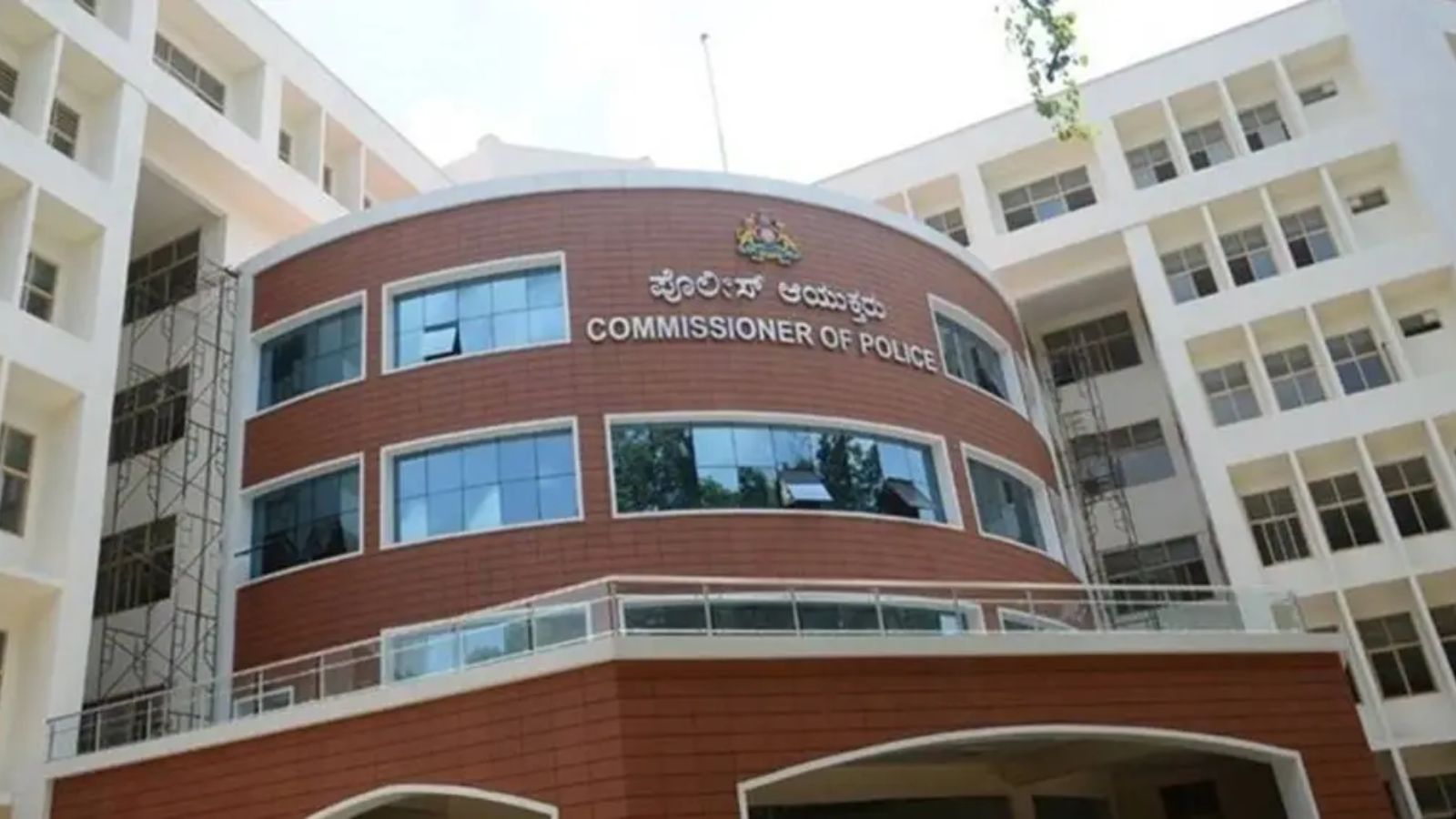
The Karnataka government has given in-principle approval to a proposal to split the rapidly expanding Bengaluru city police into five smaller commissionerates, creating 6,633 new posts at an estimated cost of Rs 764 crore.
Intelligence analysis by Gemini 2.5 Flash
Driven by Bengaluru's significant urban growth and rising crime rates, the state government has greenlit a plan to decentralize its police force. This ambitious project aims to enhance law and order management and traffic control, though it faces internal concerns regarding potential jurisdictional complexities and command structure changes.
Imagine Bengaluru is like a giant playground that's grown super big, with so many kids and games that one teacher can't watch everyone properly. So, the grown-ups decided to split the playground into five smaller, easier-to-manage sections, each with its own teacher. This way, everyone gets more attention, and it's easier to keep things safe and fun, even though some grown-ups worry about who's in charge of the lines between the sections.
Analysis
The Karnataka government's in-principle approval to divide the Bengaluru city police into five distinct commissionerates marks a significant administrative overhaul for the sprawling metropolis. This decision, estimated to cost Rs 764 crore and create 6,633 new posts, is a direct response to the city's exponential growth and the increasing complexities of its law enforcement needs. The proposal, which will now proceed to the Cabinet for final clearance, aims to decentralize police operations, making them more responsive and effective across Bengaluru's vast and diverse urban landscape.
Bengaluru's Expansion
Bengaluru's rapid expansion is the primary catalyst for this proposed restructuring. The city now spans nearly 1,294 sq km, a substantial increase from the 712.54 sq km covered when the commissionerate was established in 1963. This growth has led to a population of approximately 1.56 crore, making it one of the fastest-developing cities globally, but also one with a high incidence of crime, including cybercrimes, and severe traffic congestion.
The existing police commissionerate, designed for a smaller core metropolitan region, struggles to effectively manage law and order across areas that now include Gram Panchayat and Town Panchayat jurisdictions. The proposal highlights the challenges in coordination between civic bodies and the police due to overlapping jurisdictions, especially following the division of the Bruhat Bengaluru Mahanagara Palike (BBMP) into five municipalities and the creation of the Greater Bengaluru Authority (GBA).
6,633 New Posts
The proposal includes the creation of 6,633 new police posts, a substantial increase in manpower intended to support the new decentralized structure. This expansion is critical for ensuring that each of the five new commissionerates has adequate personnel to manage its designated area effectively. The current structure, with one commissioner and 18 Deputy Commissioners of Police (DCPs), is deemed insufficient for the city's scale.
Under the new plan, the city would have 28 DCPs working under five commissioners, who would be of Inspector General of Police (IGP) or Deputy Inspector General of Police (DIG) rank. This significant increase in senior and mid-level officers is expected to improve supervision and operational efficiency at the local level, allowing for more focused attention on specific regional challenges in crime and traffic management.
Chief Commissioner
A key element of the proposed structure is the elevation of the Bengaluru Police Commissioner post to a Chief Commissioner of Police, holding the rank of Director General of Police (DGP). This Super City Commissioner would oversee the five new city police commissioners, creating a hierarchical structure designed to maintain overall command and coordination across the decentralized units. Currently, the Bengaluru Police Commissioner is an Additional Director General of Police (ADGP)-rank officer who reports to the state's head of police force.
While this upgrade aims to strengthen the police system and ensure coordinated management of crime and traffic, it has also raised concerns among some police officials. There are reservations about the potential for jurisdictional disputes between adjacent commissionerates and complications in the command structure, particularly when handling large-scale law and order issues. Some within the force believe a smaller number of sub-units might ensure smoother administration, indicating internal debate over the optimal scale of decentralization.
Key points
- Karnataka government gave in-principle approval to split Bengaluru police into five commissionerates.
- The proposal includes creating 6,633 new police posts at an estimated cost of Rs 764 crore.
- The primary reason for the split is Bengaluru's rapid expansion to nearly 1,294 sq km and its growing population of 1.56 crore.
- The current Bengaluru Police Commissioner post will be upgraded to a DGP-rank Chief Commissioner overseeing the five new units.
- Some police officials express concerns about potential jurisdictional disputes and an unwieldy command structure.
The split could lead to more efficient policing, better crime management, and improved traffic control by allowing police to focus on smaller, more manageable areas. Enhanced coordination between police and civic bodies is also anticipated, potentially improving overall urban governance and public safety.
Concerns exist within the police force regarding potential jurisdictional disputes between the new commissionerates and complications in the command structure, especially for large-scale law and order situations. The increased number of commissioners and DCPs could also make the system unwieldy to manage.