50 Years of The Muppet Show: The Art of Cultivated Nonsense
The Muppet Show, featuring Kermit, Miss Piggy, and other beloved puppets, celebrates its 50th anniversary, marking half a century since its debut as a variety show primarily for adults.
Intelligence analysis by Gemini 2.5 Flash
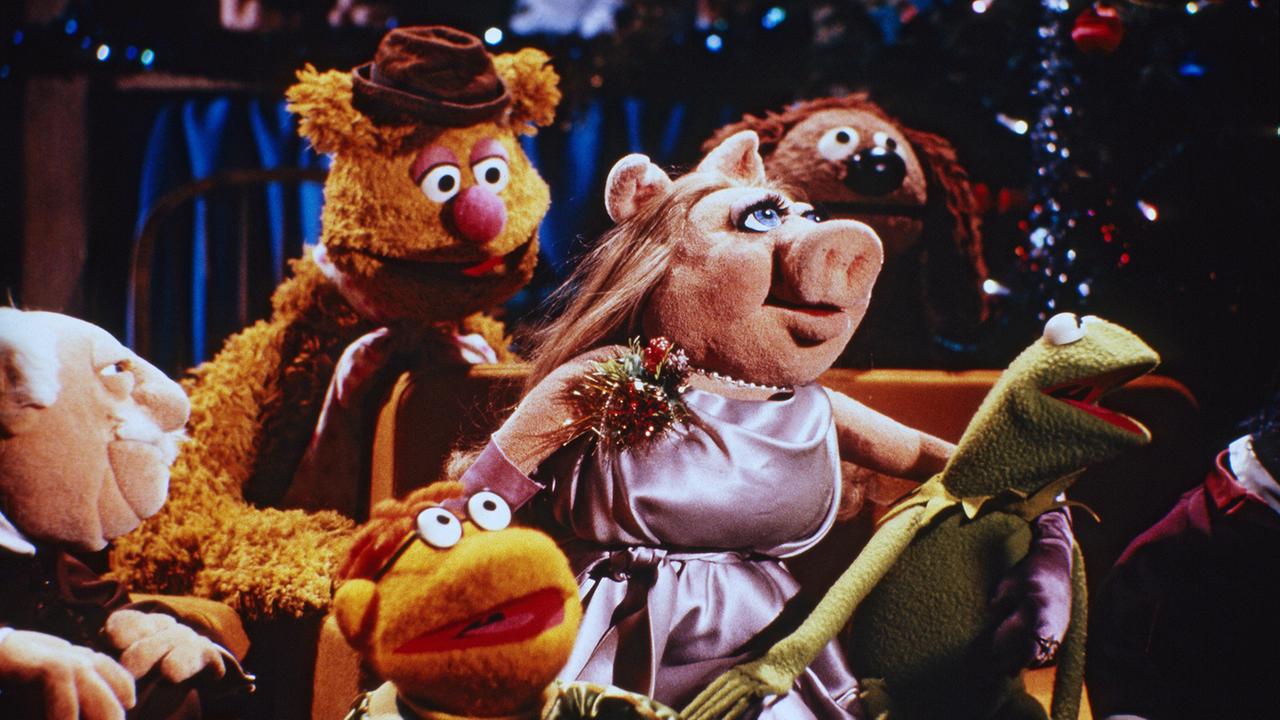
Launched on September 5, 1976, in the UK, The Muppet Show quickly became a global phenomenon, captivating audiences with its unique blend of cheeky humor, music, and celebrity guests. Creator Jim Henson's vision for an adult-oriented puppet show, initially rejected by US studios, found immense success abroad, becoming one of the most-watched television programs worldwide by the late 1…
Imagine a bunch of colorful, funny puppets who sing, dance, and tell jokes, but instead of just for little kids, they put on a big show for grown-ups too! Fifty years ago, a clever guy named Jim Henson made this show called The Muppet Show, and it was so good that people all over the world loved watching Kermit the Frog, Miss Piggy, and their friends. It was like a silly, musical party every week that made everyone laugh, even kings and queens!
Analysis
The Muppet Show, which premiered 50 years ago, represents a unique chapter in television history, demonstrating how puppetry could transcend children's entertainment to captivate a global adult audience. Its origins in the UK, after being turned down by US studios, underscore a pivotal moment where creative vision found a receptive home, leading to a worldwide phenomenon. The show's blend of irreverent humor, musical numbers, and interactions with human celebrities created a format that was both innovative and universally appealing, establishing a legacy that continues to influence popular culture.
Jim Henson
Jim Henson, the American visionary behind the Muppets, was a quiet individual whose personality contrasted sharply with his flamboyant creations. He often identified most closely with Kermit the Frog, whom he voiced for decades, stating, "He's certainly a part of me - though probably not my whole self." Henson's dedication to his craft was legendary; he was known for meticulously rehearsing with his colleagues and personally inspecting every puppet, constantly repairing old ones and creating new characters.
Henson's colleagues remembered him as a pioneer with immense passion, someone who had "these worlds in his head." He fostered a positive creative environment, ensuring the comedy remained pure and free from political or suggestive humor, which contributed to its broad appeal. His untimely death in 1990 at just 53 years old left a void, but his creations, including Kermit, Miss Piggy, and Fozzie Bear, have continued to thrive through numerous films, television series, and a vast merchandise empire, cementing his enduring influence.
ATV Elstree Studio
The production of all 120 episodes across five seasons of The Muppet Show took place at the ATV Elstree Studio, located just outside London. This British location became the unlikely birthplace of a global sensation after US studios, despite Jim Henson's success with Sesame Street, were hesitant to back an adult-oriented puppet show. A British television producer's willingness to support the concept, on the condition that production moved to the UK, proved to be a transformative decision.
The studio environment at ATV Elstree was reportedly vibrant and engaging, with crew members and even canteen staff drawn to watch the Muppets in action. This unique production setting allowed Henson's creative team the freedom to develop the show's distinctive style, which resonated deeply with audiences. The decision to produce in the UK not only facilitated the show's creation but also contributed to its unique charm and international appeal, proving that creative risks, when supported, can yield extraordinary results.
Lord Michael Grade
Lord Michael Grade, nephew of the British investor who backed The Muppet Show, lauded the series for its novelty, intelligence, and wit. He described the show as "sympathetically disrespectful" in parts, highlighting its ability to entertain without alienating. Grade emphasized the show's consistent quality, noting that "it always delivered what it promised" and that Jim Henson "never disappointed the audience."
His observations underscore the critical factors behind the show's massive success, which saw it broadcast in over 100 countries and attract up to 235 million viewers weekly by the late 1970s. The Muppet Show's ability to maintain a high standard of entertainment, coupled with its innovative format, ensured its place as one of the most successful television programs of its era. The show's enduring popularity, evidenced by recent appearances at events like the Coronation Concert for King Charles, confirms its timeless appeal across generations.
Key points
- The Muppet Show premiered 50 years ago on September 5, 1976, in the UK, initially targeting adult audiences.
- Created by American Jim Henson, the show was produced at ATV Elstree Studio near London after US studios rejected the concept.
- It became a global success, broadcast in over 100 countries and attracting up to 235 million weekly viewers by the late 1970s.
- Henson, who voiced Kermit the Frog, was known for his quiet demeanor, meticulous work, and vision for pure, non-political comedy.
- Despite Henson's death in 1990, the Muppets continue to appear in films, TV, merchandise, and major events like the 2026 FIFA World Cup and King Charles's Coronation Concert.
The continued celebration of The Muppet Show's 50th anniversary highlights its enduring legacy and universal appeal, suggesting that its unique blend of humor and heart will continue to entertain new generations. Its presence in modern cultural events, like the 2026 FIFA World Cup halftime show and the King Charles Coronation Concert, demonstrates its timeless relevance and potential for future adaptations.
While the Muppets continue to thrive, the article implicitly acknowledges the irreplaceable loss of creator Jim Henson, who died prematurely. Without his direct vision and hands-on involvement, there's a risk that future iterations, despite their popularity, might struggle to fully capture the original show's unique spirit and innovative edge, potentially diluting its artistic integrity over time.