8 Words From Fed Chair Kevin Warsh That Signal Where Interest Rates Are Headed
Federal Reserve Chair Kevin Warsh's words are heavily scrutinized, and his recent testimony before Congress has investors looking closely at his comments. Warsh made clear that inflation is still an issue, despite the Consumer Price Index (CPI) falling in June. Much of th…
Intelligence analysis by Llama
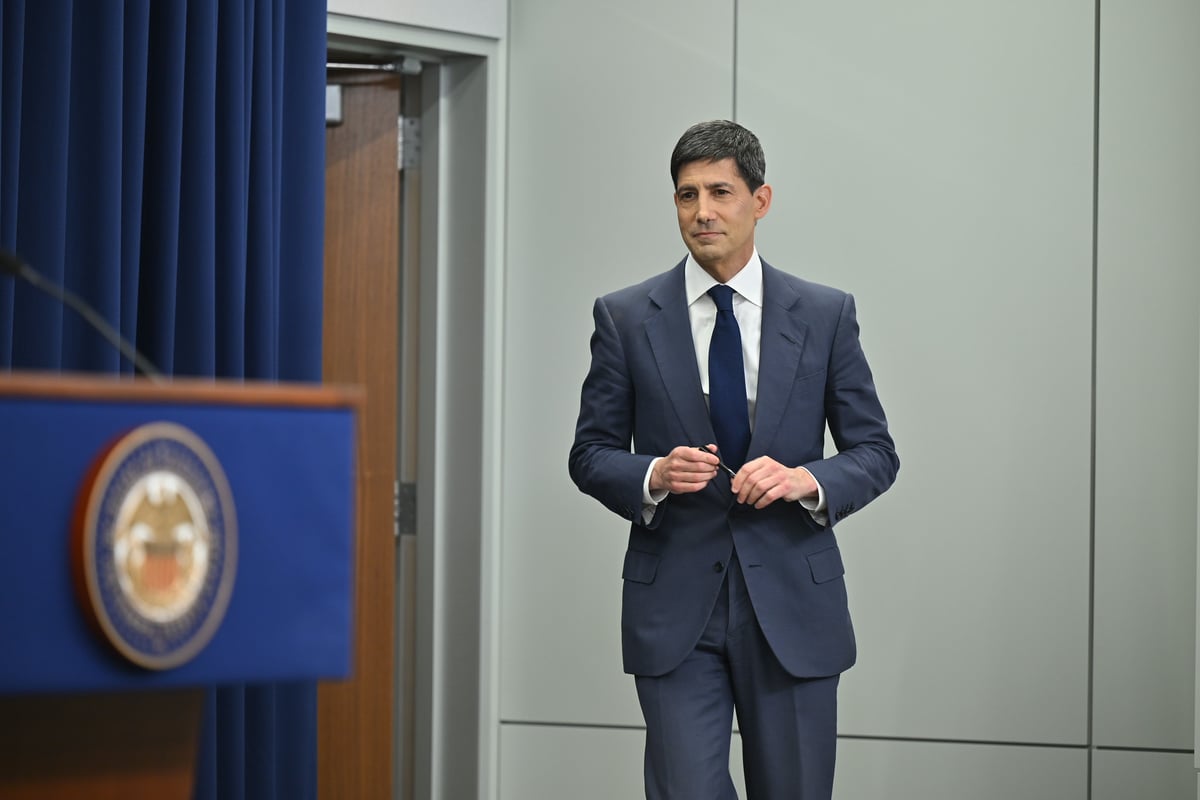
Federal Reserve Chair Kevin Warsh's testimony before Congress has investors looking closely at his comments on inflation. Warsh made clear that inflation is still an issue, despite the Consumer Price Index (CPI) falling in June. He warned that one month doesn't make a trend and that the Fed will take a careful, measured approach to rate changes.
Imagine you're at a store, and you see that prices are going up. That's inflation. The Federal Reserve is like a referee, trying to keep prices from going up too fast. They do this by changing interest rates, which can affect how much money people have to spend. Fed Chair Kevin Warsh is like the referee's assistant, and he's saying that inflation is still a problem, even though prices did go down a little bit last month. He's warning that we shouldn't get too excited about one month's numbers, and that the Fed will take a careful approach to making changes.
Analysis
A $60B Vote of Confidence
In his testimony before Congress, Fed Chair Kevin Warsh made clear that inflation is still an issue, despite the Consumer Price Index (CPI) falling in June. Much of the decline was due to lower gasoline prices, and Warsh warned that one month doesn't make a trend. This is a crucial point, as the Federal Reserve has been targeting core inflation of around 2% for some time. Even with the drop in June, when CPI fell from 4.2% in May to 3.5%, and core CPI dropped from 2.9% to 2.6%, inflation is still above where the Fed would like it.
Warsh's comments on inflation are particularly important, as they can influence the direction of interest rates. The Federal Reserve has been walking a tightrope, trying to cool inflation down without pushing the economy into a recession. With the conflict in the Middle East flaring again and pushing energy prices higher, continued vigilance on the inflation front is clearly the right approach.
Why Core CPI Matters
Core CPI is a key metric for the Federal Reserve, as it measures the change in prices of goods and services excluding food and energy. This is important because food and energy prices can be volatile and can distort the overall inflation picture. By focusing on core CPI, the Fed gets a better sense of the underlying inflation trend.
In this case, core CPI is still above target, which means that the Fed has more work to do to bring inflation down. Warsh's comments on inflation suggest that the Fed will take a careful, measured approach to rate changes, which is likely to be a gradual process.
The Road Ahead
The Federal Reserve's actions have a significant impact on the economy, and investors are closely watching for any signs of changes in interest rates. Fed Chair Kevin Warsh's comments on inflation are particularly important, as they can influence the direction of interest rates. With the conflict in the Middle East flaring again and pushing energy prices higher, continued vigilance on the inflation front is clearly the right approach.
In the end, the Federal Reserve's goal is to keep inflation low and stable, which is essential for economic growth. By taking a careful, measured approach to rate changes, the Fed can help achieve this goal and support the economy.
Key points
- The Consumer Price Index (CPI) fell in June, but much of that was due to lower gasoline prices.
- Fed Chair Kevin Warsh made clear that inflation is still an issue, despite the CPI falling in June.
- Warsh warned that one month doesn't make a trend and that the Fed will take a careful, measured approach to rate changes.
- Core CPI is still above target, which means that the Fed has more work to do to bring inflation down.
If the Federal Reserve takes a careful, measured approach to rate changes, it could lead to a more stable economy and lower inflation. This could be good news for investors, as it could lead to higher stock prices and more economic growth.
If the Federal Reserve is too aggressive with interest rate increases, it could push the economy into a recession. This would be bad news for investors, as it could lead to lower stock prices and economic contraction.