A $60B Vote of Confidence: How Portugal's Gift of Bombay to the East India Company Changed History
In 1661, Charles II of England married Catherine of Braganza, the Portuguese princess, in a deal that included the transfer of Bombay to the East India Company. This marked the beginning of British rule in India, with the company's control over the city's strategic locati…
Intelligence analysis by Llama
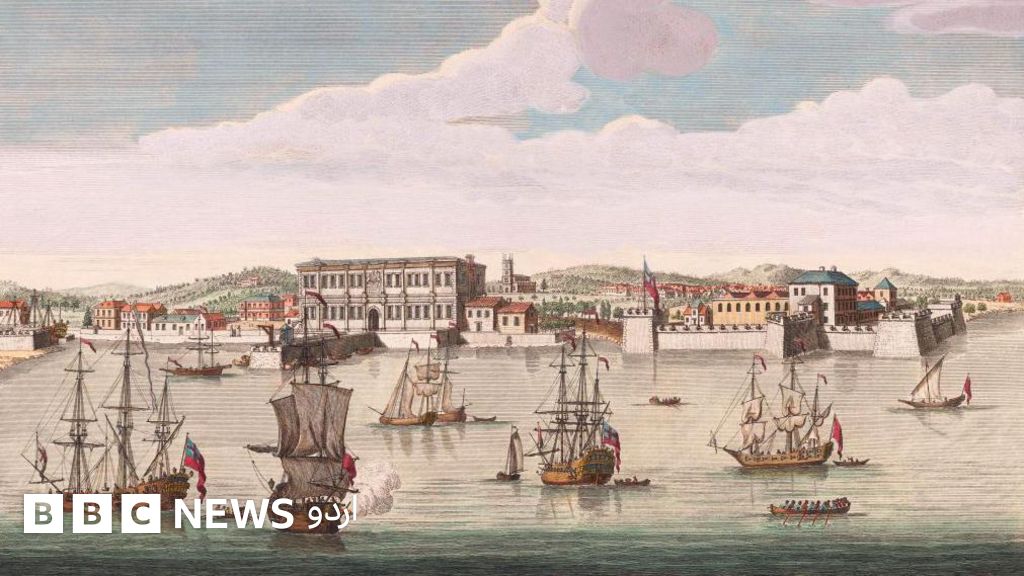
The marriage between Charles II of England and Catherine of Braganza in 1661 led to the transfer of Bombay to the East India Company, marking the beginning of British rule in India. The company's control over the city's strategic location and trade routes had significant implications for the region's history.
Imagine a big trading company that wanted to control the spice trade in India. They got a special gift from the king of England, which was a city called Bombay. This city was very important because it had a good harbor and was close to the Middle East and Europe. The company used this city to trade with other countries and became very powerful. This was the beginning of British rule in India, which lasted for over a century.
Analysis
A $60B Vote of Confidence
The marriage between Charles II of England and Catherine of Braganza in 1661 was a significant event in the history of the British Empire. The deal included the transfer of Bombay to the East India Company, which marked the beginning of British rule in India. The company's control over the city's strategic location and trade routes had significant implications for the region's history.
The East India Company had been seeking a foothold in India for several years, and the transfer of Bombay provided them with a strategic location to establish a trading post. The city's natural harbor and access to the Arabian Sea made it an ideal location for trade with the Middle East and Europe. The company's control over the city's trade routes allowed them to establish a monopoly on the spice trade, which was a lucrative business at the time.
The transfer of Bombay to the East India Company also marked the beginning of British colonial rule in India. The company's control over the city and its trade routes allowed them to exert significant influence over the local population and the Indian government. This led to a period of British colonial rule in India that lasted for over a century.
The transfer of Bombay to the East India Company was a significant event in the history of the British Empire. It marked the beginning of British rule in India and had significant implications for the region's trade, politics, and culture. The company's control over the city's strategic location and trade routes allowed them to establish a monopoly on the spice trade and exert significant influence over the local population and the Indian government.
Why the East India Company Chose Bombay
The East India Company chose Bombay as the location for their trading post due to its strategic location and access to the Arabian Sea. The city's natural harbor and access to the Middle East and Europe made it an ideal location for trade. The company's control over the city's trade routes allowed them to establish a monopoly on the spice trade, which was a lucrative business at the time.
The East India Company also chose Bombay due to its proximity to the Indian subcontinent. The city's location allowed them to establish trade relationships with the local population and the Indian government. This led to a period of British colonial rule in India that lasted for over a century.
The Road Ahead
The transfer of Bombay to the East India Company marked the beginning of British colonial rule in India. The company's control over the city's strategic location and trade routes allowed them to establish a monopoly on the spice trade and exert significant influence over the local population and the Indian government. This led to a period of British colonial rule in India that lasted for over a century.
The transfer of Bombay to the East India Company was a significant event in the history of the British Empire. It marked the beginning of British rule in India and had significant implications for the region's trade, politics, and culture.
Key points
- The transfer of Bombay to the East India Company marked the beginning of British colonial rule in India.
- The company's control over the city's strategic location and trade routes allowed them to establish a monopoly on the spice trade.
- The transfer of Bombay to the East India Company had significant implications for the region's trade, politics, and culture.
- The company's control over the city's strategic location and trade routes allowed them to exert significant influence over the local population and the Indian government.
- The transfer of Bombay to the East India Company was a significant event in the history of the British Empire.
The transfer of Bombay to the East India Company marked the beginning of British colonial rule in India, which had significant implications for the region's trade, politics, and culture. However, it also led to the establishment of a monopoly on the spice trade, which was a lucrative business at the time. The company's control over the city's strategic location and trade routes allowed them to exert significant influence over the local population and the Indian government.
The transfer of Bombay to the East India Company marked the beginning of British colonial rule in India, which had significant implications for the region's trade, politics, and culture. However, it also led to the exploitation of the local population and the Indian government, which was a negative consequence of the company's control over the city's strategic location and trade routes.