A decade after the Brexit vote, Europe has moved on even if Britain hasn’t
A decade after the Brexit vote, Europe has moved on while Britain is still feeling the aftershocks. The EU has consolidated and moved forward with deeper integration, leaving the UK to debate its long-term relationship with the continent.
Intelligence analysis by Llama 3.3 70B
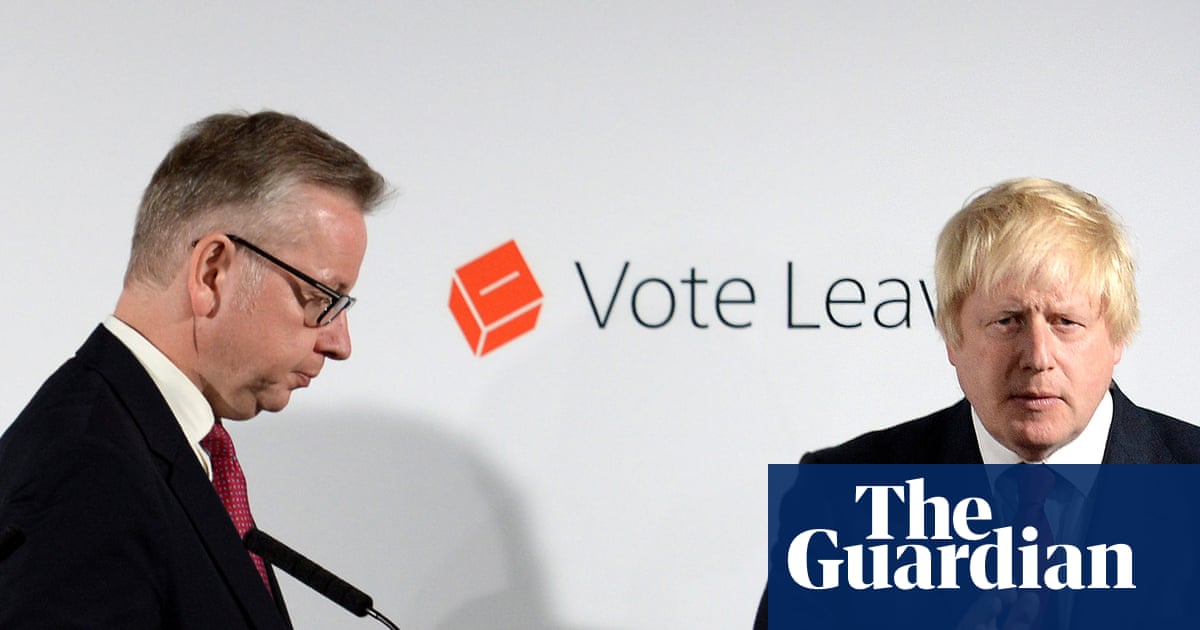
The Brexit vote's aftermath has seen the EU rally and move forward with common borrowing, joint purchases, and deeper integration, while the UK faces renewed debate over its relationship with the EU.
Imagine you're playing with a team, but you decide to leave the team. The team keeps playing and gets better, but you're not sure what to do next. That's kind of what happened with the UK and the EU.
Analysis
A Decade of Change
The morning of 24 June 2016, the day after Britain voted to leave the EU, marked the beginning of a new era for the UK and the EU. The initial shock and sadness gave way to a rallying of the EU, with the 27 member states setting out their red lines for Brexit negotiations. The EU has since embarked on common borrowing, joint purchases of weapons, gas, and vaccines, decisions that would have been difficult with a British prime minister at the table.
The UK, on the other hand, has faced challenges in its post-Brexit negotiations, with the country heading for its seventh prime minister in 10 years. The relationship between the UK and the EU remains contested, with some in the UK advocating for a return to the EU.
The EU's Advantage
The final Brexit deal has been seen as advantageous to the EU, with the trade and cooperation agreement leaving the EU satisfied in economic terms. The status quo suits the EU, and there is no great desire to reset relations with the UK. The EU has got used to Brexit, and the UK's departure has allowed for deeper integration and cooperation among member states.
A Possible Return?
A poll published this week found that 60% of those aged 18-28 would support rejoining the EU, and some EU leaders have expressed a willingness to welcome the UK back. However, rejoining is not on the table, and it would require a durable national consensus in the UK that the country has really changed its mind. The EU would need to see a realistic, disciplined, and trustworthy approach from the UK before considering a return.
Key points
- The EU has moved forward with deeper integration and cooperation
- The UK is still debating its long-term relationship with the EU
- A possible return of the UK to the EU is not on the table
The EU's deeper integration and cooperation could lead to increased economic growth and stability, benefiting both the EU and the UK. A possible return of the UK to the EU could also lead to a stronger and more united Europe.
The UK's departure from the EU could lead to increased economic uncertainty and instability, affecting both the UK and the EU. The lack of a clear direction for the UK's relationship with the EU could also lead to further division and conflict.