A Fragile Reprieve For The Eurozone
Lower oil prices have eased inflation pressures in the eurozone, reducing the need for aggressive European Central Bank rate hikes, though a September hike remains possible if core inflation stays high.
Intelligence analysis by Llama
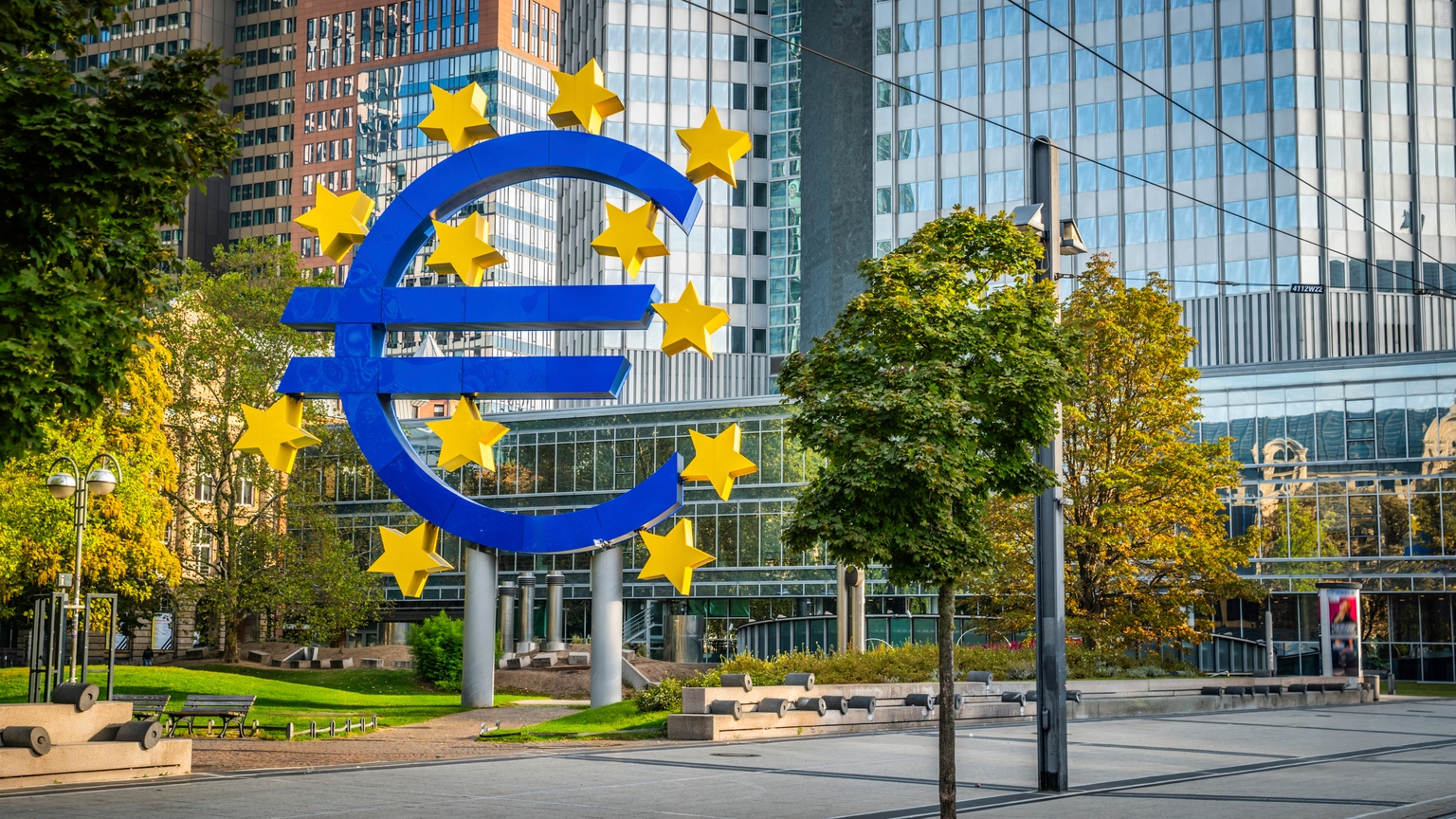
Lower oil prices have offered a reprieve to the eurozone, easing inflation pressures and reducing the need for aggressive European Central Bank rate hikes. However, renewed Middle East tensions have increased the risks around the outlook.
The eurozone, which is a group of European countries that use the euro currency, has been helped by lower oil prices. This has made it easier for the countries in the eurozone to control inflation, or the rate at which prices are rising. However, there are still risks to the eurozone's economy, such as renewed tensions in the Middle East.
Analysis
A Fragile Reprieve For The Eurozone
The eurozone has received a reprieve from lower oil prices, which have eased inflation pressures and reduced the need for aggressive European Central Bank rate hikes. However, renewed Middle East tensions have increased the risks around the outlook.
A Goldilocks scenario – where inflation moderates and growth picks up again – remains the baseline, although the risks around that outlook have increased. If headline inflation moderates further from here, the reasons for the European Central Bank to hike rates forcefully will fade.
The Memorandum of Understanding between the US and Iran gave the eurozone a reprieve from the Middle East tensions, but the situation remains fragile. The European Central Bank's decision to hike rates in September will depend on the inflation outlook, and a further moderation in headline inflation will reduce the need for aggressive rate hikes.
The eurozone's economic growth and inflation outlook are crucial for the European Central Bank's monetary policy decisions, and any changes in these factors can have significant implications for the global economy. The European Central Bank's decision to hike rates in September will depend on the inflation outlook, and a further moderation in headline inflation will reduce the need for aggressive rate hikes.
Why Lower Oil Prices Are Favourable For The Eurozone
As a net energy importer, lower oil prices are clearly favourable for the eurozone. The lower oil prices have eased inflation pressures and reduced the need for aggressive European Central Bank rate hikes. However, renewed Middle East tensions have increased the risks around the outlook.
The Road Ahead
The eurozone's economic growth and inflation outlook are crucial for the European Central Bank's monetary policy decisions, and any changes in these factors can have significant implications for the global economy. The European Central Bank's decision to hike rates in September will depend on the inflation outlook, and a further moderation in headline inflation will reduce the need for aggressive rate hikes.
Key points
- Lower oil prices have eased inflation pressures in the eurozone, reducing the need for aggressive European Central Bank rate hikes.
- Renewed Middle East tensions have increased the risks around the eurozone's economic growth and inflation outlook.
- A Goldilocks scenario – where inflation moderates and growth picks up again – remains the baseline, although the risks around that outlook have increased.
- The European Central Bank's decision to hike rates in September will depend on the inflation outlook, and a further moderation in headline inflation will reduce the need for aggressive rate hikes.
If headline inflation moderates further from here, the reasons for the European Central Bank to hike rates forcefully will fade, and the eurozone's economic growth and inflation outlook will improve.
Renewed Middle East tensions and potential energy price spikes could weigh on growth and sentiment, and the European Central Bank's decision to hike rates in September could be more aggressive than expected.