'A little goes a long way': New York's candy stores sweeten economic gloom
New York candy shops are expanding as shoppers cut back elsewhere. Owners say small treats still sell, even as tariffs and transport costs push up their expenses.
Intelligence analysis by GPT-5.4 Mini
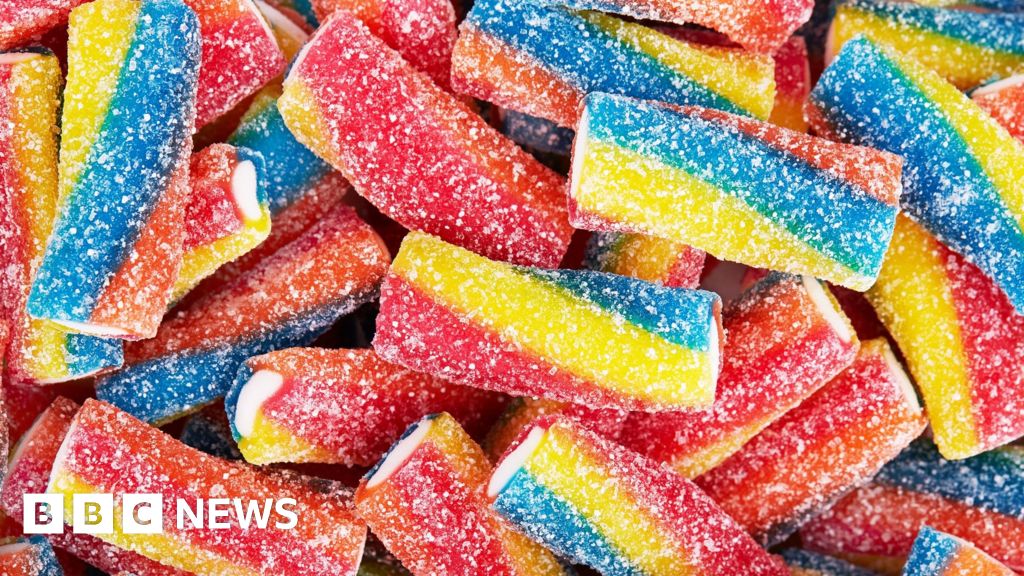
Candy stores are finding room to grow in New York because affordable sweets still appeal when consumers feel squeezed. The business model is helped by low prices and shelf-stable stock, but higher import and shipping costs are making margins tighter.
When families have less money, they may skip big buys but still want a tiny treat, like one piece of candy. New York candy shops are betting that small sweets can keep selling, even when bigger shopping trips slow down.
Analysis
Why candy is holding up
With US consumer confidence at historic lows, the article says candy stores are doing relatively well in and around New York City. Mitchell Cohen of Economy Candy argues that people still buy sweets when money feels tight because the purchase is cheap and immediate. His family business, which dates to 1937, survived by leaning into that logic during the Great Depression: if people could not afford repairs, they could still afford a treat.
Kate Bolger is opening The Village Confectionery in Sleepy Hollow with a similar bet. She says candy works because it sits at a low price point, so more people can take part even when they are delaying bigger purchases. The piece links that behavior to the broader idea behind the "lipstick effect" - small luxuries can still sell when larger spending weakens.
Expansion, but with pressure
The article also describes broader growth in candy retail. BonBon, founded by three Swedish expats in 2018, now has several locations across Manhattan, Brooklyn, and the Hamptons, and is opening in Connecticut. Another Swedish chain, Candy King, opened its first US outlet in Manhattan last December.
But the story is not simply upbeat. Cohen says wholesale costs have risen because many confectionery inputs come from overseas, while tariffs and higher transport costs are pushing prices up further. He says a Hershey bar that cost about 62 cents before the pandemic now costs his shop more than a dollar. One UK supplier even stopped shipping to the US after losing money on customs. Cohen says he has absorbed most of the increases so far, and that sales are up, but the article makes clear that candy sellers are expanding in a tougher cost environment, not a comfortable one.
Key points
- Candy stores in New York are expanding even as US consumer confidence falls to historic lows.
- Owners say sweets remain attractive because they are cheap, accessible, and easy to buy as a small indulgence.
- The article links that behavior to the broader idea that consumers still spend on small luxuries during hard times.
- Imported ingredients, tariffs, and higher transport costs are pushing wholesale candy prices higher.
- Some retailers are absorbing cost increases, but the article says sales are still holding up.
If shoppers keep choosing small, affordable treats, candy stores can keep drawing steady business even in a weak economy. The article also suggests that low rents, small spaces, and shelf-stable products can make this kind of retail easier to sustain.
Rising wholesale prices could eat into profits if shops cannot pass costs on to customers. The article also shows that tariffs and shipping problems can disrupt supply, with some foreign suppliers already pulling back from the US market.