A narcissist': Victim's family hits out at Bryan Kohberger for challenging conviction for Idaho murders
The family of one of the victims of Bryan Kohberger has hit out after it emerged that he was challenging his conviction for four murders of students in the US state of Idaho.
Intelligence analysis by Llama
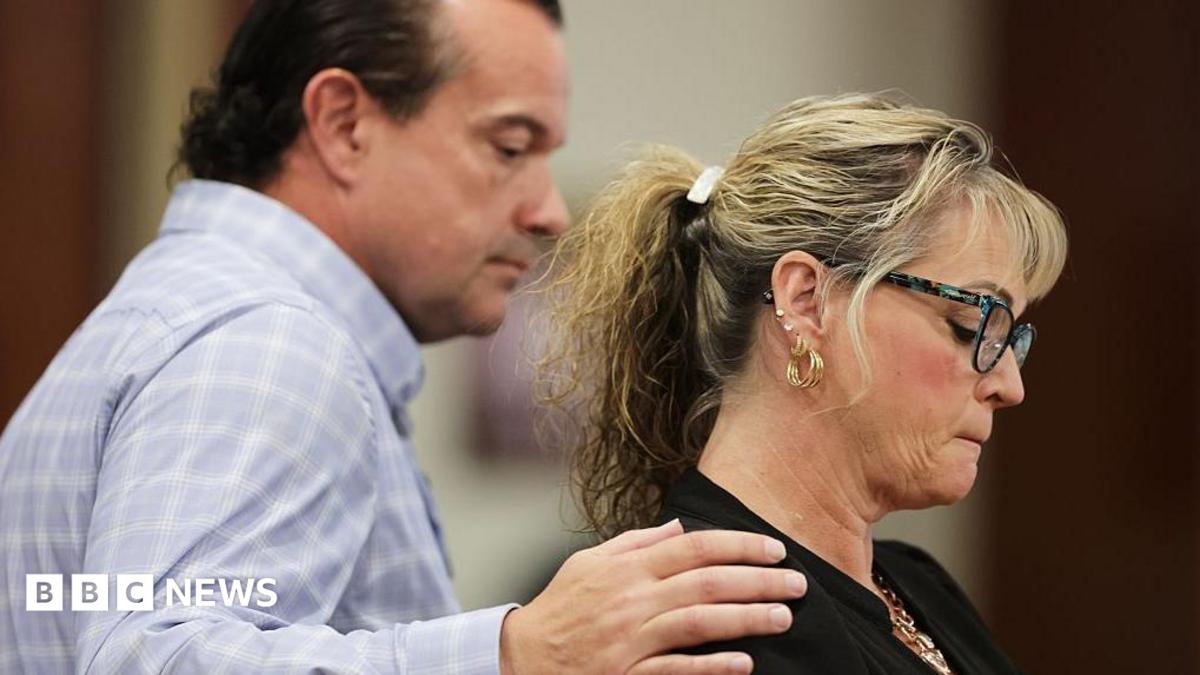
Bryan Kohberger, who was sentenced to life in prison for the murders of four students in Idaho, is now challenging his conviction, claiming he was misled by false promises and disinformation. The family of one of the victims has hit out at Kohberger, calling him a 'narcissist' who is seeking attention.
Bryan Kohberger was sentenced to life in prison for killing four students in Idaho. Now, he's trying to change his plea, saying he was misled by false promises. The family of one of the victims is upset, calling him a 'narcissist' who's seeking attention.
Analysis
A shocking reversal of fortune
Bryan Kohberger, the man who was sentenced to life in prison for the murders of four students in Idaho, has made a stunning reversal of fortune. In a recent interview with the New York Times, Kohberger claimed that he was taking back his plea, which was made to avoid the death penalty. He said that it had rested on 'false promises and blatant disinformation'.
This development has sent shockwaves through the community, with the family of one of the victims hitting out at Kohberger. They called him a 'narcissist' who was seeking attention at the expense of the victims. The family's statement read: 'He chose not to leave his fate - or the facts of the case - to a jury. He never cried foul, never claimed he was uninformed or pressured, and never suggested there were problems with the discovery materials he and his counsel had reviewed for two years that should have been challenged.'
The real tragedy
The Goncalves family went on to say that the real tragedy was the amount of attention that Kohberger was now receiving at the expense of the victims. They pointed out that Kohberger had never shared a motive with the court and it was not clear why he drove to another campus to brutally stab four students. Investigators were unable to link him to the victims, although they presented compelling evidence that put him at the scene of the crime.
A longshot
Kohberger's attempt to reverse his plea is a longshot, experts say. 'He told the judge under oath at the plea hearing that he understood the deal, was acting voluntarily, and was pleading guilty because he was guilty,' said Sam Newton, associate professor at University of Idaho College of Law. 'That's a real problem, since courts don't take kindly to walking a voluntary plea back without hard proof that something went seriously wrong behind the scenes.'
The impact on the victims' families
The news of Kohberger's attempt to reverse his plea has come as a blow to the victims' families. Idaho Attorney General Raúl Labrador paid tribute to them, saying they had 'already endured unimaginable loss and now must face today's deeply painful news'. Labrador's statement added: 'My office stands ready to do whatever is necessary to ensure justice is fully carried out.'
The implications
This development has significant implications for the justice system and the way that cases of high-profile crimes are handled. It raises questions about the reliability of confessions and the role of the defense in ensuring that justice is served.
Key points
- Bryan Kohberger is challenging his conviction for the murders of four students in Idaho.
- He claims that he was misled by false promises and disinformation.
- The family of one of the victims has hit out at Kohberger, calling him a 'narcissist' who is seeking attention.
- Kohberger's attempt to reverse his plea is a longshot, experts say.
- The news of Kohberger's attempt to reverse his plea has come as a blow to the victims' families.
The fact that Kohberger's attempt to reverse his plea is a longshot suggests that justice may still be served in this case. Additionally, the outpouring of support from the community and the victims' families is a testament to the resilience and strength of those affected by the tragedy.
The news of Kohberger's attempt to reverse his plea has come as a blow to the victims' families, who have already endured unimaginable loss. The fact that Kohberger is seeking to change his plea at this late stage raises questions about the reliability of confessions and the role of the defense in ensuring that justice is served.