A storm destroyed her tea factory. One Canadian friend kept the business alive 2,300 miles away
A hurricane destroyed a North Carolina tea company's factory, but a Canadian friend helped keep it afloat.
Intelligence analysis by Qwen 2.5 (3B)
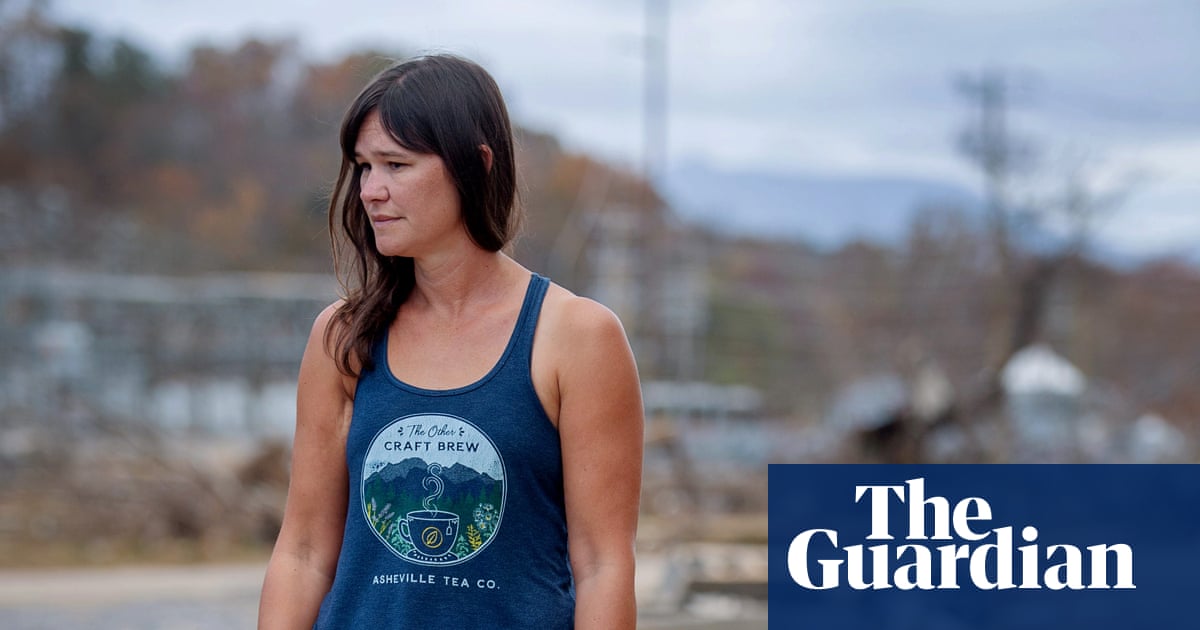
A North Carolina tea company lost its factory to a hurricane, but a Canadian friend helped keep it afloat, highlighting the importance of cross-border business relationships.
Two friends who run tea companies promised to help each other if something bad happened to their businesses. When a big storm destroyed one of their factories, the other friend helped them by making their tea in their factory in another country. This shows how friends can help each other when they need it.
Analysis
The Promise of Support
In the summer of 2024, Jessie Dean and Alexandra Sangster, founders of Asheville Tea Company and Sarjesa respectively, made a pact to support each other if their businesses ever needed it. This promise proved crucial when Hurricane Helene devastated Asheville, North Carolina, in September 2024.
The Impact of the Hurricane
The hurricane washed out roads, destroyed homes, and killed dozens of people. The Asheville Tea Company's building, located near the Swannanoa River, was completely washed away when the river rose more than 20 feet above its normal level. The company lost all of its inventory, equipment, and materials, and insurance did not cover their flood losses. They have not received any federal relief funds.
The Support from Canada
Alexandra Sangster, the founder of Sarjesa, made good on her promise to support Asheville Tea Company. Within a month, Sarjesa's factory in Calgary, Alberta, was blending, processing, and packaging all of Asheville Tea Company's tea. This support has continued for nearly two years, even as tariffs and an uncertain economic environment have thrown more challenges their way.
The Role of Social Capital
This type of cross-border relationship is rare, particularly because small business owners often forge ties with others in their community. Jennifer Helgeson, a National Institute of Standards and Technology research economist who studies disaster resilience, notes that after a disaster, businesses already in debt or those without cash reserves have a much harder time recovering, particularly as insurance and government aid are increasingly unreliable. Helgeson emphasizes the importance of relationships in such situations.
Future Collaboration and Community
The relationship between Dean and Sangster has opened the door to future collaboration and expanded their community. They talk about how they can not just pay lip service to the thought of supporting each other, but how they can truly help to raise everyone's bottom line and help them all to be successful.
Conclusion
This story highlights the importance of cross-border business relationships, particularly in times of disaster, and the role of social capital in recovery. The partnership between Dean and Sangster has not only helped Asheville Tea Company survive but has also opened the door to future collaboration and expanded their community.
Key points
- Jessie Dean and Alexandra Sangster made a pact to support each other's businesses.
- Sarjesa's factory in Calgary, Alberta, helped Asheville Tea Company during the hurricane.
- The partnership has opened the door to future collaboration and expanded their community.
The partnership between Dean and Sangster has not only helped Asheville Tea Company survive but has also opened the door to future collaboration and expanded their community. This shows how cross-border business relationships can be a powerful tool for recovery and growth.
While the partnership between Dean and Sangster has been successful, the challenges they faced, such as tariffs and an uncertain economic environment, highlight the difficulties small businesses often face in times of disaster. This story serves as a reminder of the importance of having a strong support network.