‘A tax on being thin’: only high earners make overall savings on food bills from weight-loss drugs
Analysis reveals that only individuals with nearly £100,000 in discretionary income annually can offset the £1,200 cost of GLP-1 weight-loss drugs through reduced food spending, effectively making the medication a "regressive tax on being thin" for most users.
Intelligence analysis by Gemini 2.5 Flash
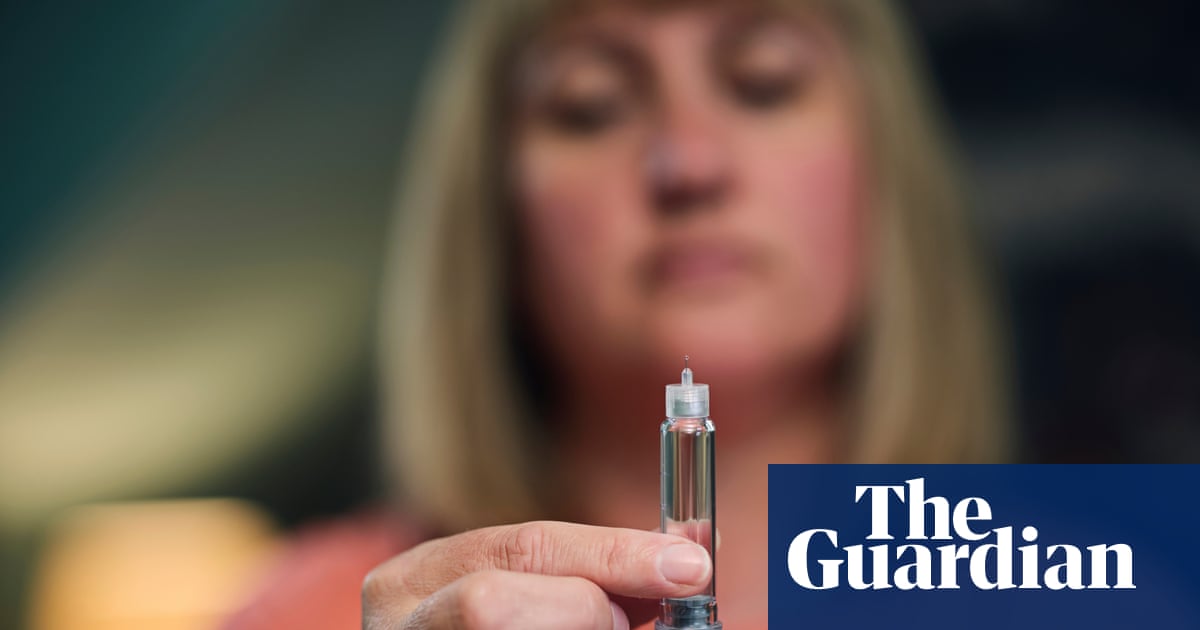
The high price of GLP-1 weight-loss medications creates significant economic inequality, as lower and middle-income users cannot recoup the annual £1,200 cost through food savings, and often incur additional expenses for managing side effects. This financial burden leads many to discontinue treatment, risking weight regain and potential debt.
Imagine a special medicine that helps you eat less and lose weight, but it costs a lot of money every year, like £1,200. A new study found that unless you have a lot of extra money saved up, you won't save enough on your food bill to cover the medicine's cost. So, it's like a special tax that mostly affects people who don't earn as much, making it harder for them to afford to stay healthy.
Analysis
The financial burden associated with GLP-1 weight-loss medications is creating a stark divide in who can truly benefit from them. The annual cost of these drugs, averaging around £1,200 for the pill form, is a significant barrier for most individuals. For those with lower discretionary incomes, any savings made on grocery bills due to reduced appetite are completely overshadowed by the drug's price, leading to a net financial loss.
This situation is further complicated by additional expenses. Users often report needing to spend more on vitamin supplements and personal care products to manage various side effects of the medication. This adds another layer of cost, pushing the overall expenditure even higher and making the prospect of achieving an overall saving even more remote for the majority of users.
£1,200
The annual cost of GLP-1 medication, approximately £1,200, is the central figure driving the economic disparity highlighted in the analysis. This substantial outlay means that for the vast majority of users, the drug represents a net financial drain rather than a saving.
According to the Baringa analysis, a person needs to have nearly £100,000 in discretionary income each year to see their grocery spending reduced by an amount equivalent to the drug's cost. This threshold effectively prices out a significant portion of the population from achieving any financial benefit, turning the medication into a luxury rather than an accessible health tool.
Baringa
The consultancy Baringa's analysis is the foundation of the claim that GLP-1s risk becoming a driver of inequality. Their research meticulously calculated the income levels required for individuals to break even or save money after accounting for the drug's cost and reduced food expenditure.
Paddy Winters, a partner at Baringa, explicitly stated that the drugs act as a "regressive tax on being thin," meaning they disproportionately affect lower-income individuals. The analysis also points to a concerning pattern where patients start treatment, experience weight loss, but then discontinue due to cost pressures, leading to weight regain and a potential cycle of debt.
King's Fund
The King's Fund, a prominent charity, provides a crucial public health perspective on the issue, emphasizing the broader societal implications of unequal access to weight-loss medication. Their report underscores the need for government intervention to ensure that those who would benefit most are not excluded due to affordability.
The charity highlights the risk of widening health inequalities if access remains limited primarily to those who can afford private care. While NHS commissioning offers some protection against financial inequity, its limited scope means many eligible individuals cannot access treatment. The Independent Pharmacies Association also notes that while market competition and new products like the Wegovy pill could eventually lead to price reductions, current volatility and high costs persist, reinforcing the need for lifestyle changes alongside medication.
Key points
- Only high earners (discretionary income near £100,000) save money on food after paying for GLP-1 weight-loss drugs.
- The £1,200 annual cost of GLP-1 medication acts as a "regressive tax on being thin" for most users.
- Many users discontinue treatment due to cost, leading to weight regain and potential debt.
- Additional expenses for vitamin supplements and personal care products are incurred to manage side effects.
- Limited NHS access means many who could benefit from GLP-1s are priced out of treatment.
The article notes a growing pipeline of GLP-1 products, including oral formulations and next-generation therapies, and increasing market competition, exemplified by the launch of the Wegovy pill. This could lead to future cost reductions and improved accessibility, potentially mitigating the current financial inequities.
The high cost of GLP-1 drugs risks creating wider health inequalities, as many users, particularly those with lower incomes, are forced to discontinue treatment due to cost pressures, leading to weight regain and potentially turning to debt. Limited NHS access further exacerbates this issue, leaving many unable to afford private care.