About 90,000 urged to evacuate as fast-moving wildfire threatens Reno, Nevada
Authorities ordered the evacuation of about 90,000 residents in Reno and North Valley as the wind-driven Hawk fire grew to more than 15,000 acres with zero containment. Governor Joe Lombardo declared a state of emergency in Washoe county.
Intelligence analysis by Llama
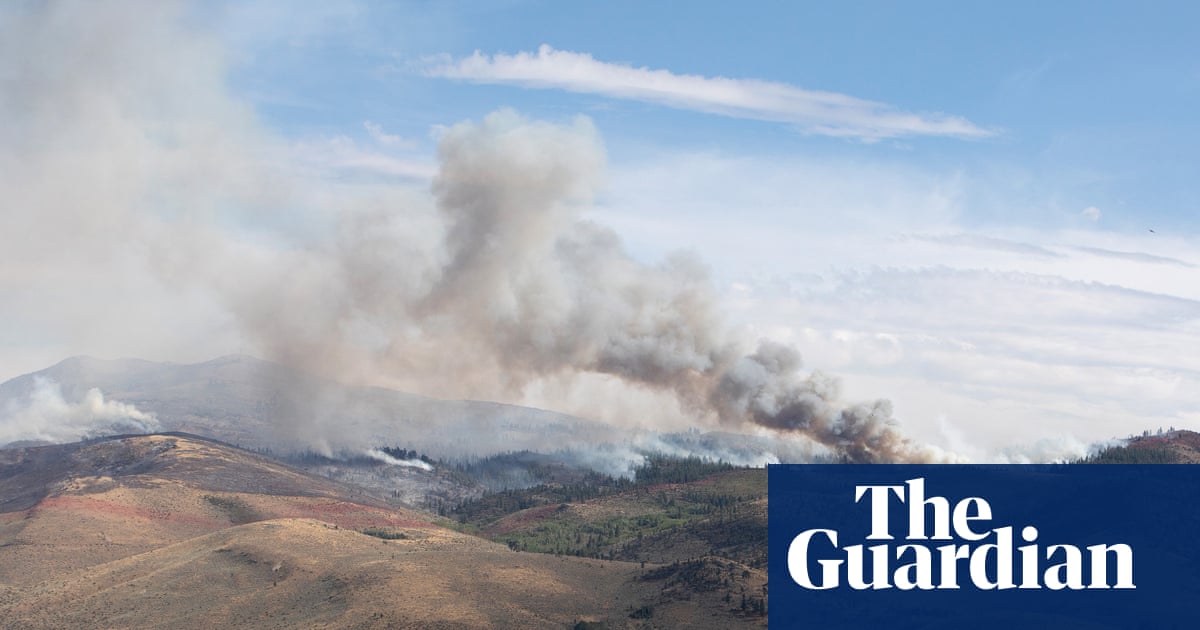
A human-caused, wind-driven wildfire near Reno has forced roughly 90,000 evacuations, injured at least six people, and left nearly 10,000 homes and businesses without power. Governor Lombardo has declared a state of emergency as the fire remains 0% contained.
A big fire called the Hawk fire started near Reno, Nevada, and because the wind keeps pushing it, about 90,000 people have been told to leave their homes. The fire was started by something people did, and firefighters from all over, even from Australia, are working hard to stop it.
Analysis
Joe Lombardo's State of Emergency
Nevada Governor Joe Lombardo's declaration of a state of emergency in Washoe county formally unlocks state resources and coordination mechanisms that local jurisdictions cannot activate alone. The declaration comes as the Hawk fire has grown to more than 15,000 acres with zero containment, demonstrating that the threat has outpaced routine municipal response capacity. By framing the situation as "active and rapidly evolving," Lombardo signaled that further escalation could require expanded executive action, including additional mutual-aid requests or federal disaster declarations through FEMA. The political significance lies in how quickly a human-caused fire has forced the governor to consolidate decision-making authority and urge residents to comply with evacuation orders without delay.
The 800-Person Response Network
Roughly 800 personnel are engaged in fighting the Hawk fire, including crews dispatched from Australia and New Zealand, an unusually international footprint for a single incident. Local fire chief Richard Edwards characterized the blaze as "a very dynamic incident" driven by winds, while Washoe county sheriff Darin Balaam described "extremely confusing" conditions in which shifting winds sent flames in multiple directions. The geographic reach of the response underscores how domestic fire policy now relies on transnational mutual-aid compacts just as much as on federal assets. The fact that one Nevada fire is absorbing international crews highlights a structural pressure point: a single season can strain the entire Pacific wildfire-response ecosystem.
Three Fires in Two Weeks
Fire officials report that the Reno area has experienced three large wildfires in the past two weeks, all of which they attribute to human activity. Battalion chief Shane Akerson confirmed the Hawk fire was "human-caused," though the active investigation has not yet identified a specific ignition source. That pattern places renewed political attention on prevention policy, including campfire restrictions, power-line management, and enforcement around chainsaw and equipment use, after a California man allegedly sparked the Gann fire with a chainsaw. With the National Interagency Fire Center reporting more than 50,000 wildfires across the US this year and 7.8 million acres burned, the Reno cluster illustrates how localized ignition patterns can compound into a broader governance crisis demanding legislative attention to liability, land-use planning, and utility regulation.
Key points
- About 90,000 residents of Reno and North Valley ordered to evacuate as the Hawk fire exceeds 15,000 acres with 0% containment
- Governor Joe Lombardo declared a state of emergency in Washoe county; at least six people injured including three first responders
- Fire officials confirmed the blaze was human-caused; investigation ongoing into specific ignition source
- Nearly 10,000 homes and businesses without power; all but one Washoe county school closed Monday
- About 800 firefighters engaged, including international crews from Australia and New Zealand
The National Weather Service forecast a chance of afternoon showers and cooler temperatures between 89F and 94F, conditions that could help firefighters gain ground on the Hawk fire. With about 800 personnel, including international crews, engaged in suppression efforts, there is meaningful capacity to contain the blaze before it reaches densely populated neighborhoods.
Because the fire remains 0% contained and is wind-driven, shifting gusts could push flames into additional residential areas, potentially destroying more homes and endangering first responders who have already suffered three injuries. The pattern of three human-caused fires in two weeks around Reno suggests underlying ignition risks remain unaddressed, raising the prospect of further incidents overwhelming local response capacity during a fire season that has already burned more than 7.8 million acres nationwide.