Abusive passengers could be blacklisted from all airlines under new proposal
The UK is considering a national blacklist for disruptive airline passengers, so bans could apply across carriers. Airlines UK backed the idea, but data rules may complicate it.
Intelligence analysis by GPT-5.4 Mini
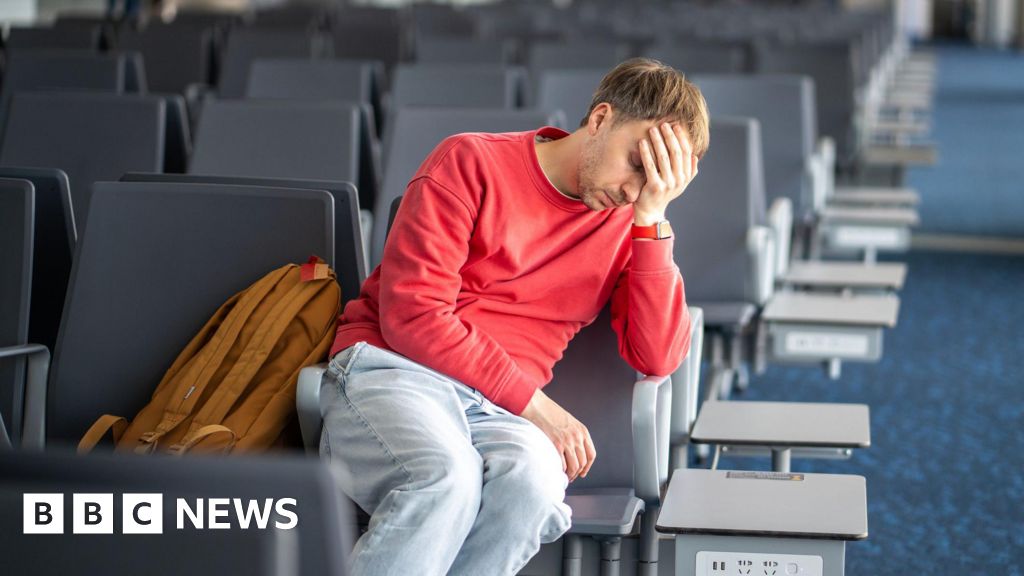
The government is exploring a shared blacklist for abusive air passengers so someone banned by one airline could be blocked by others too. Officials say the aim is to curb dangerous disruption, though the plan raises data-protection questions.
Airlines are thinking about making a shared “do not fly” list for people who keep acting badly on planes. Right now, if one airline bans someone, that person might just book a seat with another airline instead.
It is a bit like a school sending a troublemaker to another classroom, only for the same trouble to start again. A shared list would make the rule follow the person across more flights.
The tricky part is privacy rules. The government says it wants to stop a small number of people from spoiling travel for everyone else, but it still has to figure out how the list would work safely.
Analysis
What is being proposed
The BBC says the UK government is looking at a national blacklist for abusive or disruptive passengers. Under the idea, airlines could share information about people who cause serious trouble, making it harder for them to simply switch carriers after being banned by one airline.
Why it is being considered
The article says rowdy and drunken behavior tends to rise in the busy summer travel period. A government source said antisocial conduct on flights is unacceptable because it can threaten the safety of passengers and crew and disrupt holidays. Officials from the Department for Transport are due to meet airlines this month to discuss how the proposal might work.
What is unclear
The report says the scheme could be managed jointly by the government and the airline industry, and it would not require a change in current law. But there is an open question over how it would fit with existing data protection rules, including GDPR. At present, the article says passenger details are not allowed to be shared under GDPR in the way a national blacklist would require.
Industry reaction and examples
Airlines UK welcomed the proposal and said a national ban list would be an important next step to stop a small minority from disrupting travel for everyone else. The piece also points to recent cases: a drunk passenger jailed after a Ryanair flight was forced to abort a landing, and Jet2 giving two passengers a lifetime ban after a mid-air brawl that led to an emergency landing in Brussels.
Key points
- The UK government is exploring a national blacklist for abusive airline passengers.
- A banned passenger could be stopped from flying with other airlines, not just the one that issued the ban.
- Officials say the proposal is meant to protect safety and reduce flight disruption.
- The article says GDPR and passenger-data sharing could be a major hurdle.
- Airlines UK backed the idea and said it would help stop a small minority from disrupting air travel.
If the plan works, airlines could have a stronger way to stop repeat offenders from moving from one carrier to another. That could improve safety, reduce disruptions, and make summer travel smoother for passengers and crew.
The biggest risk is that privacy and data-sharing rules could make the scheme hard to implement. If the rules are unclear or the system is poorly designed, it may not stop disruptive passengers reliably, or it could create legal and operational problems for airlines.