Adversarial clothing: are garments designed to confuse facial recognition systems about to go mainstream?
Designers are creating garments with 'adversarial patterns' that can confuse facial recognition systems, raising concerns about surveillance and privacy.
Intelligence analysis by Llama
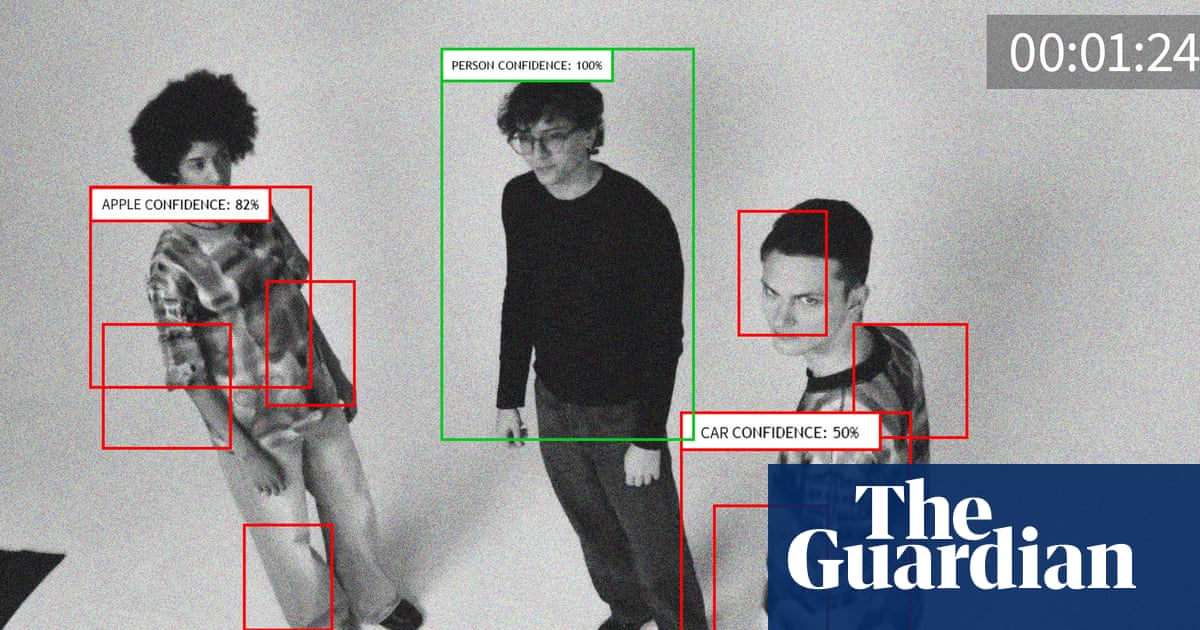
A new trend in fashion, 'adversarial clothing', aims to confuse facial recognition systems by incorporating patterns that exploit weaknesses in computer vision. Designers say this type of clothing makes a powerful statement about the importance of privacy and can help spread awareness about the issue.
Imagine wearing a special kind of clothing that can confuse the cameras that take pictures of your face. This is called 'adversarial clothing' and it's a new trend in fashion. Designers are creating these clothes with special patterns that can make it harder for computers to recognize your face. It's like wearing a superhero cape, but instead of flying, you're protecting your privacy.
Analysis
A Fashion Statement Against Surveillance
Designers are creating garments with 'adversarial patterns' that can confuse facial recognition systems, raising concerns about surveillance and privacy. These patterns are carefully designed arrangements of shapes, colours and repeated motifs that are said to exploit weaknesses in some computer vision systems. The designers say advances in computing have made it easier to incorporate such patterns into commercially viable garments.
Experts caution that the effectiveness of the patterns depends on the surveillance system and the conditions in which it is used. However, Nick Tidball, the co-founder of the clothing brand Vollebak, thinks 'adversarial clothing' could be on the cusp of going mainstream. 'Anti-surveillance feelings are so widespread that all it would take is for a single celebrity to wear one of these garments, currently popular in the countercultural fashion world, to a high-profile event for it to take off,' he said.
The Growing Awareness of Privacy Concerns
Unlike traditional CCTV, modern computer vision systems can identify faces, follow individuals across cameras and search footage at scale. Recent advances in generative AI have made this type of automated identification cheaper and more widely available to police, retailers and private businesses. Evidence of misuse and that black and Asian people are more likely to be incorrectly identified than white people has led to increasing public concern. A recent poll showed almost 60% of people believed facial recognition was 'another step towards turning the UK into a surveillance society'.
The Potential of Fashion as a Form of Resistance
Dr Jennifer Bell, a senior lecturer specialising in creative AI, fashion and digital culture at Nottingham School of Art & Design, said clothing with anti-facial recognition designs was increasingly available at high street prices and was being marketed to a wide demographic. 'That growing awareness combined with a lowering of cost often precedes the tipping point towards a real cultural moment,' she said. Daniel Preuß, the co-founder of the Urban Privacy clothing brand, said new technology meant you could now 'combine smart, striking style with invisible protection'. He emphasised that because surveillance systems are so powerful, no design can guarantee security from detection, but said 'the added value of fashion is to spread awareness and help propagate public discourse'.
Key points
- Designers are creating garments with 'adversarial patterns' that can confuse facial recognition systems.
- These patterns are carefully designed arrangements of shapes, colours and repeated motifs that exploit weaknesses in some computer vision systems.
- The effectiveness of the patterns depends on the surveillance system and the conditions in which it is used.
- The trend is gaining popularity, with designers saying it's a powerful statement about the importance of privacy.
- The fashion industry is playing a role in spreading awareness about the issue and encouraging public discourse.
If 'adversarial clothing' becomes mainstream, it could lead to a cultural shift in how people think about surveillance and privacy. It could also encourage more people to speak out against the misuse of facial recognition technology.
If governments were to ban 'adversarial clothing', it could be seen as a form of censorship and could further stigmatize people who are concerned about surveillance and privacy. It could also lead to a backlash against the fashion industry, which could be seen as supporting the trend.