Africa Corps Opens Unprecedented Corridor Between Lomé and Bamako to Deliver Armored Vehicles to Mali
Africa Corps has established a new logistical route from Lomé, Togo, through Burkina Faso, to deliver Russian armored vehicles and military equipment to Bamako, Mali. This corridor provides an alternative after Guinea refused to host sanctioned Russian cargo.
Intelligence analysis by Gemini 2.5 Flash
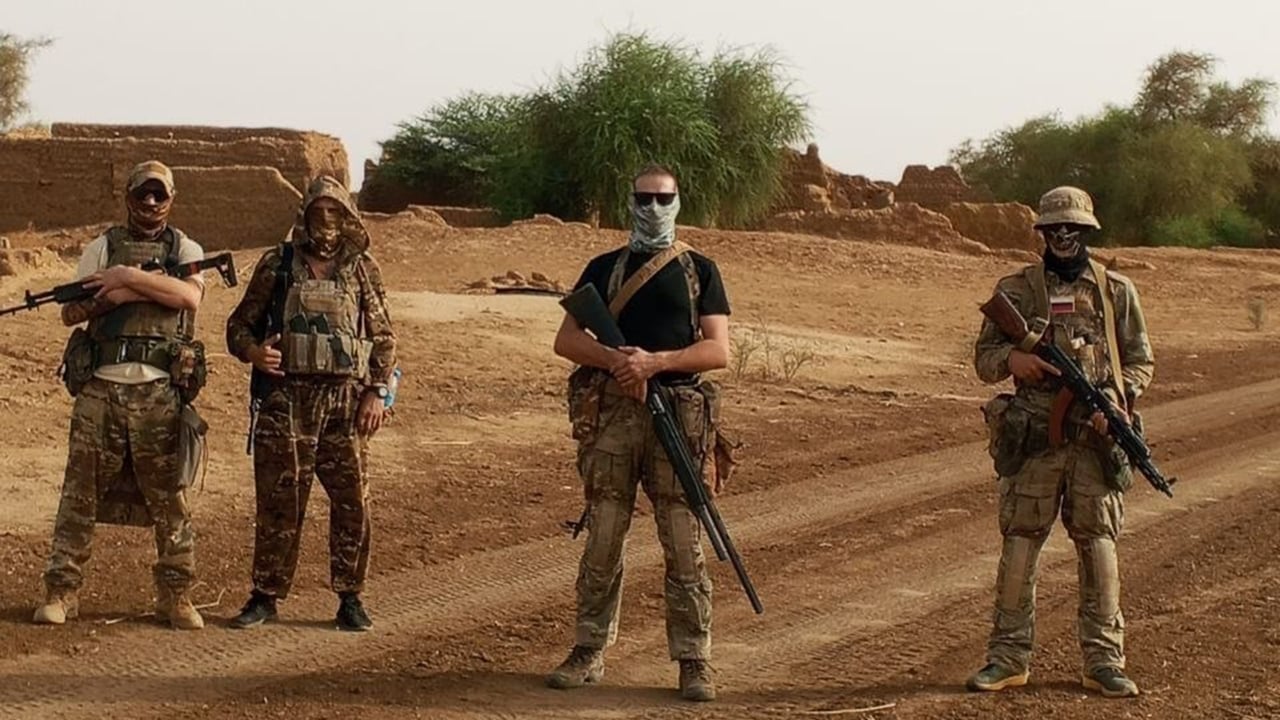
Africa Corps has established a novel logistical route for Russian military supplies to Mali, transporting dozens of armored vehicles and trucks from Togo's capital, Lomé, through Burkina Faso, to Bamako. This strategic move circumvents previous obstacles, specifically Guinea's reluctance to handle sanctioned Russian shipments, highlighting Russia's expanding influence and military sup…
Imagine Mali needs new tough trucks and tanks for its army, but some countries don't want to help because of rules against Russia. So, a group called Africa Corps found a secret new road starting from a port in Togo, going through Burkina Faso, all the way to Mali. It's like finding a new secret path in a video game to get your team the supplies they need when the main road is blocked.
Analysis
A New Lifeline for Malian Security
The establishment of an unprecedented logistical corridor by Africa Corps, linking Lomé, Togo, to Bamako, Mali, via Burkina Faso, marks a significant development in Mali's ongoing efforts to bolster its military capabilities. This route facilitates the delivery of substantial Russian military equipment, including dozens of armored vehicles and transport trucks, directly to the Malian armed forces. For a nation grappling with persistent jihadist insurgencies and internal security challenges, a reliable supply chain for modern weaponry is crucial.
This direct access to Russian hardware could empower Mali to enhance its operational effectiveness against militant groups, potentially turning the tide in critical regions. The move underscores a deepening military partnership between Mali and Russia, a relationship that has grown considerably since the departure of French forces and the UN peacekeeping mission (MINUSMA). Such a consistent flow of military aid is vital for Mali's sovereignty and its capacity to protect its citizens.
Circumventing Sanctions and Regional Obstacles
This new corridor is a strategic response to previous logistical hurdles, most notably Guinea's refusal to accommodate sanctioned Russian cargo. By leveraging the port of Lomé and transit through Burkina Faso, Africa Corps has effectively circumvented international sanctions and regional hesitations, demonstrating a sophisticated approach to maintaining supply lines. This logistical ingenuity highlights Russia's determination to support its allies in the region, even in the face of international pressure, and its capacity to adapt to geopolitical constraints.
The willingness of Togo and Burkina Faso to facilitate this transit suggests a growing alignment of interests among these Sahelian states with Russia, potentially driven by shared security concerns and a desire for alternative partnerships. This collaboration indicates a calculated risk by these nations, prioritizing immediate security needs and new alliances over potential diplomatic or economic repercussions from traditional Western partners.
Broader Geopolitical Implications in West Africa
The opening of this corridor carries profound geopolitical implications for West Africa. It solidifies Russia's expanding influence in a region traditionally dominated by Western powers, particularly France. The direct military support, facilitated by Africa Corps, signals a clear shift in alliances and a challenge to the existing security architecture. This development could further destabilize regional dynamics, as neighboring countries might view the increased Russian presence and military buildup in Mali with apprehension.
Moreover, it raises questions about the long-term stability of Togo and Burkina Faso, as their involvement in this corridor could expose them to greater scrutiny and potential repercussions from international bodies and Western nations. The strategic implications extend beyond military aid, potentially influencing economic and political alignments across the Sahel, reshaping the geopolitical landscape of the entire continent.
Key points
- Africa Corps has opened a new logistical route for Russian military equipment to Mali.
- The corridor runs from Lomé, Togo, through Burkina Faso, to Bamako, Mali.
- Dozens of Russian armored vehicles and transport trucks are being delivered via this route.
- This new path bypasses Guinea's previous refusal to handle sanctioned Russian cargo.
- The move highlights Russia's expanding military and strategic presence in West Africa.
For Mali, this new supply corridor could significantly bolster its military capabilities, enabling more effective counter-terrorism operations and enhancing national security. The direct and consistent delivery of Russian equipment might stabilize the country's internal security situation, allowing the government to better protect its citizens and territory.
The establishment of this corridor could further entrench Russian influence in the Sahel, potentially leading to increased regional instability and heightened tensions with Western powers. It might also exacerbate human rights concerns if the military equipment is used without proper oversight, and could draw Togo and Burkina Faso deeper into geopolitical rivalries, risking their own stability.

