After 23 years, Indian-origin woman wins £6.6 million in epic divorce battle
An Indian-origin woman has won £6.6 million after reopening a divorce case that exposed hidden assets and a long legal fight over marital wealth.
Intelligence analysis by GPT-5.4 Mini
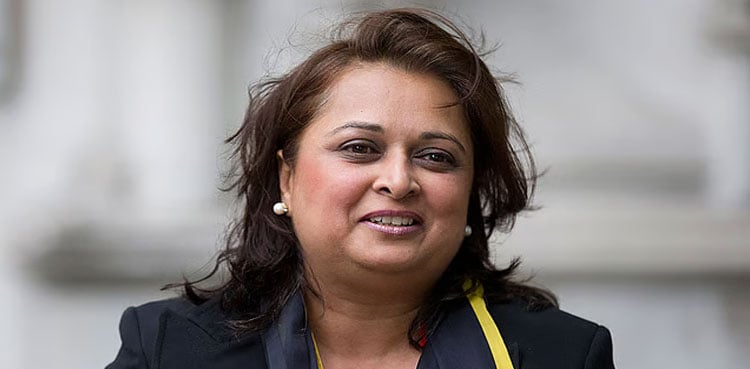
Varsha Gohil’s divorce case turned into a landmark fight over hidden assets, criminal proceeds and what counts as marital wealth. After years of appeals and a Supreme Court ruling on full disclosure, the High Court awarded her part of the frozen fortune.
A woman thought her divorce money was fair, but later found out her ex may have hidden a big pile of cash. After many years in court, judges decided she should get part of that money, like finding out a shared cookie jar was never fully counted.
Analysis
What happened
Varsha Gohil filed for divorce in 2002 and accepted a settlement that was presented as a full and final account of the marriage’s finances. She later suspected that her former husband, solicitor Bhadresh Gohil, had not properly disclosed his assets.
How the case grew
The dispute widened after Bhadresh Gohil was convicted in 2011 of money laundering, forgery and related conspiracy offences. That criminal case revealed assets worth nearly £28 million, which prosecutors said had been hidden through offshore companies and international transfers.
Why the courts kept revisiting it
Varsha challenged the original settlement, and the case reached the UK Supreme Court alongside a separate dispute involving Alison Sharland. In 2015, the court said spouses who do not give full and frank financial disclosure should not be allowed to benefit from that dishonesty. That ruling let both women reopen their settlements.
Final ruling
The later High Court hearing focused on whether the frozen £28 million fortune was all criminal property or partly legitimate marital wealth. Justice Williams rejected key parts of both the husband’s and the prosecution’s positions. He found that some of the wealth had lawful origins and identified about £6.66 million in untainted assets for Varsha.
The judge described Bhadresh Gohil as “thoroughly and pervasively dishonest” and said the case had taken a “tortuous route” through the courts. The Court of Appeal then ruled out further appeals, ending a fight that lasted more than two decades.
Key points
- Varsha Gohil reopened a divorce settlement she had accepted in 2002 after suspecting hidden assets.
- Her former husband was later convicted of money laundering, forgery and conspiracy-related offences.
- The UK Supreme Court ruled that spouses who hide finances should not benefit from deception.
- The High Court later found that about £6.66 million of the frozen fortune was untainted and awarded it to Varsha.
- The Court of Appeal blocked further appeals, ending a legal battle that lasted 23 years.
The ruling reinforces the idea that people cannot hide money in divorce cases and still keep the benefit of a settlement. It may also help other spouses challenge unfair financial disclosures if they can show deception.
The case also shows how long and expensive it can be to prove hidden assets, especially when money moves through offshore structures and criminal cases. Even after a Supreme Court win, the dispute still took years to resolve and required multiple hearings.