After Hormuz, Panama's Turn? China-US Competition Over a Strategic Waterway
The Panama Canal has become a new focal point of tension between the US and China, with Washington warning against increasing Chinese influence over the vital waterway, while Panama asserts its neutrality.
Intelligence analysis by Gemini 2.5 Flash
Amid disruptions in the Strait of Hormuz, the Panama Canal is experiencing a surge in traffic, intensifying a geopolitical rivalry between the United States and China over its strategic control and influence. The US expresses concerns about Chinese presence in key port operations, which Beijing denies, accusing Washington of seeking to expand its own control.
Imagine a super-highway for ships that cuts across a country, saving them a long, long trip around a continent. That's the Panama Canal! Now, two big countries, the US and China, are both very interested in who has influence over this highway because it's super important for moving goods around the world. It's like they both want to make sure their trucks can always get through easily, especially when other important roads are blocked.
Analysis
Panama Canal
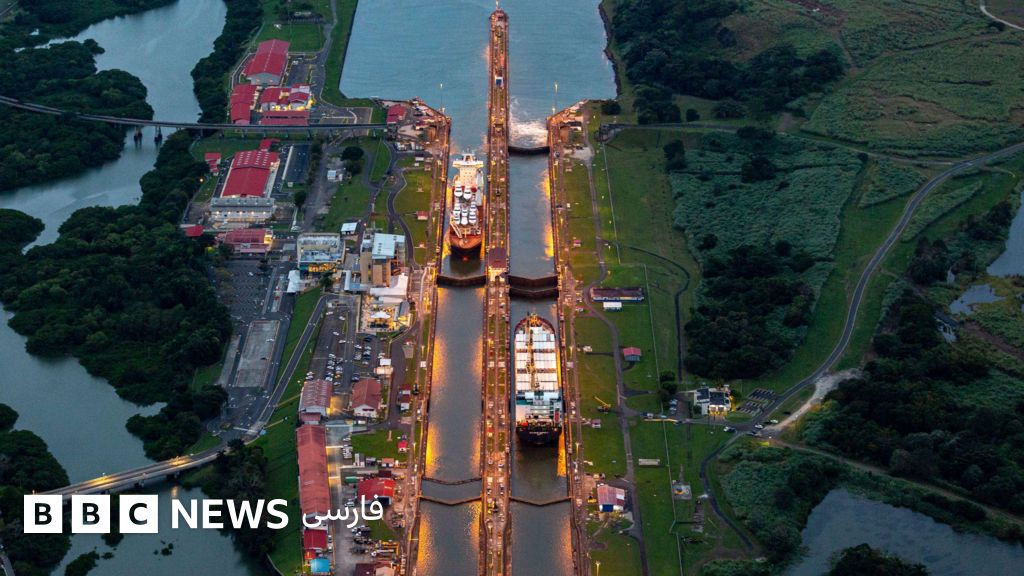
The Panama Canal, an 80-kilometer artificial waterway, serves as a critical link between the Atlantic and Pacific Oceans, significantly reducing travel time and costs for global maritime trade. While it handles approximately five percent of worldwide sea trade, its importance to the United States is particularly pronounced, facilitating nearly 40 percent of American container traffic. This strategic choke point, however, faces increasing environmental challenges, primarily due to its reliance on freshwater from Gatun Lake.
Low water levels, exacerbated by climate fluctuations and El Niño conditions, necessitate draft restrictions on vessels, compelling them to carry lighter loads and thereby reducing the canal's overall capacity. Such limitations recall the severe drought of 2023, which led to extensive queues and disruptions in global supply chains. Analysts warn that further reductions in water levels could impose additional strain on international commerce, highlighting the canal's vulnerability to ecological shifts.
Strait of Hormuz
The ongoing conflict in the Middle East, particularly affecting shipping in the Strait of Hormuz, has inadvertently amplified the strategic significance of the Panama Canal. The Strait of Hormuz, through which roughly one-fifth of the world's traded oil passes, has become a difficult and risky passage for maritime traffic. This instability has prompted Asian buyers to increasingly source crude oil and refined fuels from suppliers located on the U.S. Gulf Coast.
Consequently, a substantial portion of these shipments now traverse the Panama Canal, connecting the Atlantic and Pacific basins. This shift has led to an 8% increase in canal transits by May compared to the previous year, with a 16% surge observed in the five weeks following the onset of the Iran conflict. The heightened demand has resulted in longer waiting times for ships, intense competition for transit slots, and unprecedented costs for priority passage, with some companies reportedly paying millions of dollars to expedite their journey.
CK Hutchison
The core of the United States' concern regarding Chinese influence over the Panama Canal centers not on direct ownership of the waterway itself, but on the operational control of key port facilities. For decades, the Hong Kong-based company CK Hutchison, through its subsidiary Panama Ports Company, held concessionary agreements with the Panamanian government to manage the crucial Balboa and Cristobal ports. These ports are strategically located at the Pacific and Atlantic entrances of the canal, respectively.
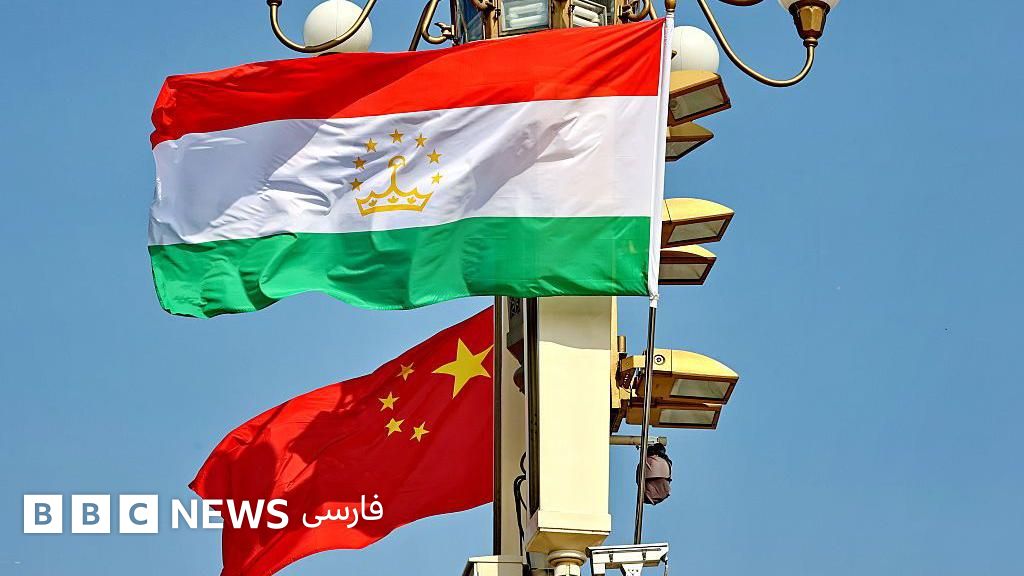
Although neither CK Hutchison nor the Chinese government directly administers the canal's operations, American officials have voiced growing apprehension about the presence of a Chinese-linked entity in such a pivotal logistical role. Washington fears that this influence could potentially jeopardize global trade flows and international security, framing it as a strategic maneuver by Beijing. China, in turn, refutes these allegations, accusing the U.S. of using these claims as a pretext to expand its own control over the vital waterway. Panama, caught between these two global powers, consistently reaffirms its sovereignty and the canal's perpetual neutrality.
Key points
- The Panama Canal has become a new strategic flashpoint between the US and China, following disruptions in the Strait of Hormuz.
- The US warns that increased Chinese influence over the canal could threaten global trade and international security.
- China denies these claims, accusing the US of using them to expand its own control over the waterway.
- Panama asserts its sovereignty and the canal's perpetual neutrality, which connects the Atlantic and Pacific Oceans.
- Increased shipping traffic, partly due to Middle East conflicts, has led to longer wait times and higher costs for canal passage, alongside environmental challenges like low water levels.
Panama's firm stance on its sovereignty and the canal's neutrality could help de-escalate tensions between the US and China, ensuring continued open access for international shipping. The increased traffic, while challenging, could also boost Panama's revenue, allowing for investments in canal infrastructure and environmental resilience.
The escalating competition between the US and China over the Panama Canal could lead to increased geopolitical instability and potential disruptions to global trade. Furthermore, persistent environmental challenges like low water levels, exacerbated by climate change, threaten the canal's operational capacity, potentially causing significant delays and higher shipping costs worldwide.