After SpaceX’s huge IPO, Americans’ financial future will be bound to AI
SpaceX’s giant IPO could tie retirement savings and index funds even more closely to AI bets, while the expected productivity gains remain elusive.
Intelligence analysis by GPT-5.4 Mini
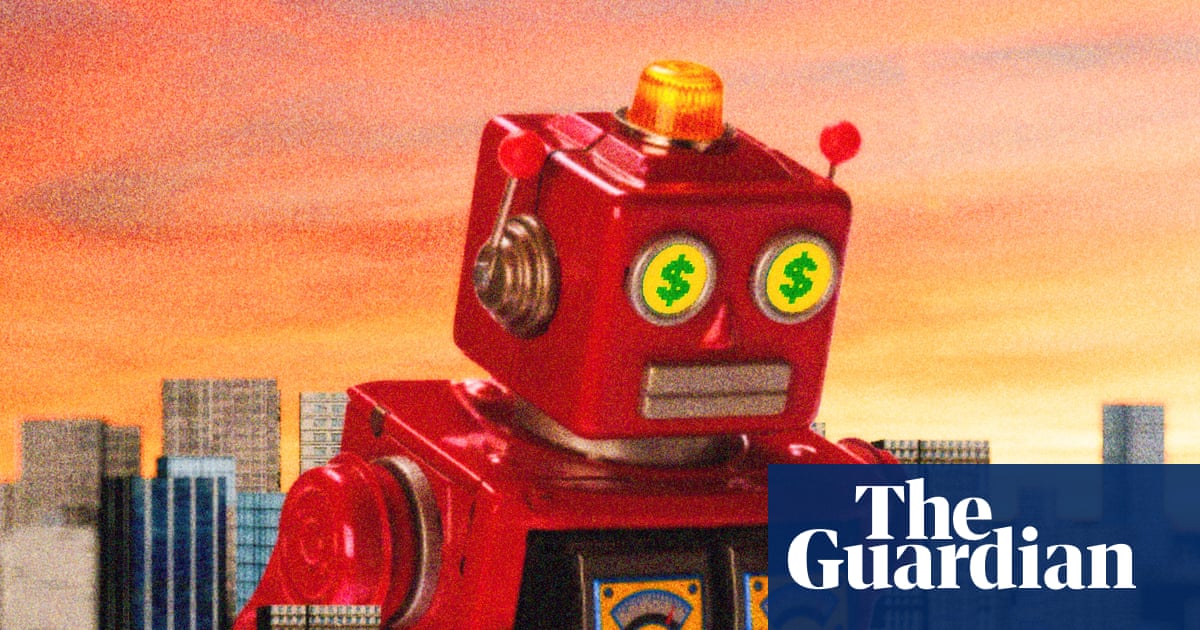
The piece argues that Americans may end up owning more AI exposure through retirement plans and index funds whether they want it or not. It warns that this growing dependence on tech giants could reshape household wealth around a volatile AI boom.
It is like a giant savings jar getting packed with more and more shares of the same few AI companies. If those companies grow, the jar grows too, but if the AI craze cools off, many people’s savings could feel the bump.
Analysis
AI is moving from a tech bet into retirement accounts
The article says Americans already express broad anxiety about AI, with many expecting it to reduce jobs and do more harm than good. Even so, they may end up more exposed to AI because large public offerings and index-fund rules can push retirement money toward the biggest technology names.
SpaceX is the first big example
The piece focuses on SpaceX’s reported $75bn IPO, which would value the company at about $1.77tn. It argues that the offering is partly about funding Elon Musk’s AI ambitions, including plans that reach beyond Earth. Although the company would not enter major indices immediately, the article says index funds may eventually be forced to buy shares if SpaceX becomes large enough and meets listing requirements.
A broader concentration problem
The story places SpaceX alongside the current group of market-dominating tech firms: Nvidia, Alphabet, Apple, Amazon, Microsoft, Meta, and Tesla. Those companies already make up more than a third of the S&P 500’s value, so adding more AI-heavy firms would tighten the link between the stock market and a small set of executives and strategies.
The upside is still unproven
The article acknowledges a possible silver lining: workers displaced by AI could at least own part of the new economy through their retirement plans. But it stresses that claims about AI-driven productivity have not yet translated into major gains, while a recent drop in the Nasdaq shows how quickly enthusiasm can fade.
Key points
- The article says many Americans fear AI, but their savings may become more exposed to it anyway.
- SpaceX’s large IPO is presented as the first major step in that shift.
- The piece argues that index funds and retirement plans can be forced to buy more AI-linked stocks as they enter major benchmarks.
- Tech giants already dominate a large share of the S&P 500, increasing market concentration.
- The article warns that expected AI productivity gains have not yet shown up in broad economic data.
If AI companies do deliver the productivity gains investors expect, retirement savers and index-fund holders would share in that upside automatically. The article also notes that workers displaced by AI could still own part of the new economy through their retirement accounts.
The main risk is concentration: more retirement money could end up tied to a few powerful AI-linked firms and their founders. The article warns that productivity gains have not arrived at the scale investors hope for, and a market pullback could leave savers exposed after the enthusiasm fades.