Agriculture, energy ministries’ systems connected for smart water management
The Iranian Ministry of Agriculture and the Ministry of Energy are connecting their systems to optimize water utilization and determine water consumption for each farmer. This shared platform will enable direct connectivity between water resource data and agricultural pro…
Intelligence analysis by Llama
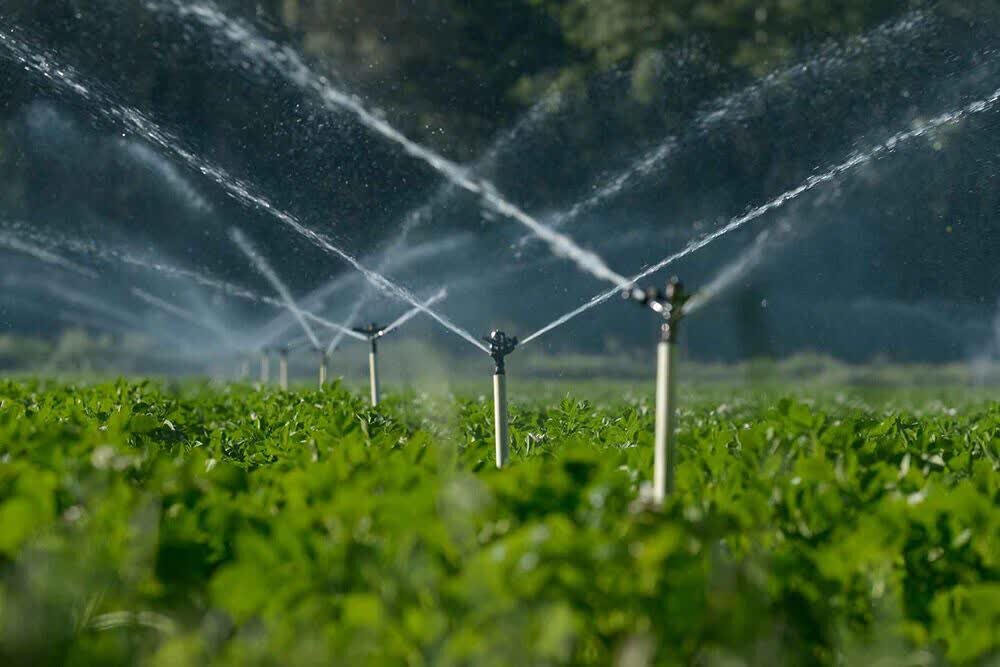
The Iranian Ministry of Agriculture and the Ministry of Energy are connecting their systems to optimize water utilization and determine water consumption for each farmer. This shared platform will enable direct connectivity between water resource data and agricultural production information, increasing water productivity and policymaking in the agricultural sector.
Imagine you're a farmer in Iran, and you want to grow crops, but you don't know how much water you'll need. Now, the government is creating a special system that connects the water data with the farming data, so farmers can plan their crops and water usage better. This will help reduce waste and make farming more efficient.
Analysis
Smart Water Management in Iran: A New Era of Efficiency and Productivity
The Iranian Ministry of Agriculture and the Ministry of Energy have recently announced a groundbreaking initiative to connect their systems and optimize water utilization. This shared platform will enable direct connectivity between water resource data and agricultural production information, allowing policymakers to make informed decisions and farmers to optimize their water consumption.
The connection of these two datasets will make it possible to calculate production volume in proportion to the water consumed by each operator. This will enable farmers to adjust their cropping patterns and production levels to match their available water resources, reducing waste and increasing efficiency.
The Ministry of Agriculture possesses comprehensive and up-to-date systems in the areas of operator information, cultivation, production, and implementation of cropping patterns. However, the lack of direct access to water resource information has been a significant gap until now. With the connection of these two datasets, policymakers will be able to analyze production volume and water consumption simultaneously, making it possible to identify areas of inefficiency and implement targeted interventions.
The official responsible for the project, Amir Hedayati, emphasized that follow-up on this program began about two years ago. The issue of connecting water systems with cropping pattern and agricultural production zoning systems was examined in two meetings of the Coordination Council of Deputies of the Ministries of Agriculture and Energy. Subsequently, a joint working group consisting of managers and technical experts from the two ministries was formed, which has held numerous meetings to date to prepare the technical and legal infrastructure for the project.
The connection of these two datasets will not only increase water productivity but also improve policymaking in the agricultural sector. By providing policymakers with accurate and timely data, they will be able to make informed decisions that support the country's food security and economic growth.
Key points
- The Iranian Ministry of Agriculture and the Ministry of Energy are connecting their systems to optimize water utilization and determine water consumption for each farmer.
- This shared platform will enable direct connectivity between water resource data and agricultural production information, increasing water productivity and policymaking in the agricultural sector.
- The connection of these two datasets will make it possible to calculate production volume in proportion to the water consumed by each operator.
- Farmers will be able to adjust their cropping patterns and production levels to match their available water resources, reducing waste and increasing efficiency.
If this development plays out positively, it could lead to increased water productivity and improved policymaking in the agricultural sector, ultimately supporting Iran's food security and economic growth.
However, there are risks associated with this development, such as technical challenges, data exchange issues, and potential resistance from farmers or policymakers. If these challenges are not addressed, it could lead to delays or even failure of the project.