AI demand drives triple-digit profit growth for Chinese chip foundries SMIC, Hua Hong
China's top contract chipmakers, SMIC and Hua Hong Grace Semiconductor, reported triple-digit profit growth in Q2, fueled by surging domestic demand for AI chips free of US export controls.
Intelligence analysis by Gemini 2.5 Flash
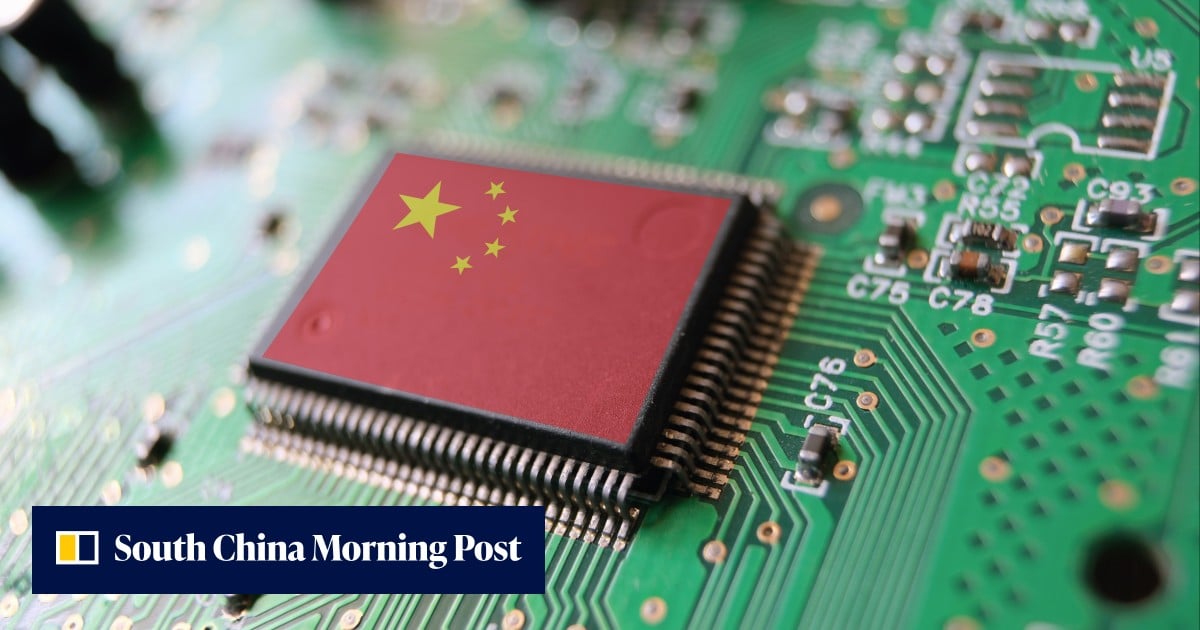
Chinese chip foundries SMIC and Hua Hong experienced significant profit and revenue increases in the second quarter, driven by a robust domestic appetite for artificial intelligence chips. These companies are operating their fabrication plants at full capacity to meet the demand from local tech giants and start-ups, particularly for chips not subject to US export restrictions.
Imagine factories that make the tiny computer brains, called chips, for smart robots and apps. In China, two big factories, SMIC and Hua Hong, are making tons of money because everyone there wants their own chips for AI, especially since it's harder to get some fancy ones from other countries. So, these factories are working super hard, making more chips than ever before!
Analysis
The recent financial results from China's leading contract chipmakers, Semiconductor Manufacturing International Corporation (SMIC) and Hua Hong Grace Semiconductor, underscore a significant shift in the global semiconductor landscape. Their impressive triple-digit profit growth in the second quarter of 2026 is a direct consequence of escalating domestic demand for artificial intelligence chips, particularly those unencumbered by US export controls. This surge indicates a strategic pivot within China to bolster its indigenous chip manufacturing capabilities, driven by both economic opportunity and geopolitical necessity.
SMIC
SMIC, the largest foundry in China, reported a net profit jump of 261.7 per cent year on year, reaching US$479.2 million in the June quarter. Concurrently, its revenue for the three months ending June increased by 36 per cent year on year to US$3 billion, aligning with market expectations. This performance reflects SMIC's aggressive operational strategy, running its plants at full capacity to cater to the burgeoning needs of Chinese tech companies. The company itself acknowledged the persistent industrial momentum and spillover effects generated by AI, anticipating continued broad-based demand for integrated circuit manufacturing in the latter half of the year. SMIC's commitment to flexibly allocating existing capacity and accelerating new capacity additions signals its intent to alleviate supply constraints and capitalize further on this trend.
Hua Hong
SMIC's smaller rival, Hua Hong Grace Semiconductor, also demonstrated remarkable growth, with net profits soaring by 385.9 per cent year on year to US$38.6 million. The company's revenue reached a record US$717.5 million in the quarter, marking a 26.8 per cent increase from the previous year and surpassing consensus estimates. Hua Hong's strong performance further corroborates the narrative of robust domestic demand for AI-related chips. Both foundries are critical players in China's ambition to reduce reliance on foreign technology, especially as global tech giants and start-ups within China intensify their efforts to secure computing power for training large AI models and powering various AI applications.
US Export Controls
The context of US export controls is paramount to understanding the current boom experienced by SMIC and Hua Hong. The demand for 'domestic artificial intelligence chips free of US export controls' explicitly highlights the strategic imperative for China to develop and produce its own semiconductor technology. These restrictions have inadvertently created a protected market for Chinese foundries, compelling local tech firms to source components domestically. This situation not only ensures business for SMIC and Hua Hong but also accelerates China's long-term goal of achieving technological self-sufficiency in advanced computing, particularly in the critical domain of AI. The sustained demand indicates that this geopolitical factor will continue to shape the growth trajectory of China's semiconductor industry.
Key points
- China's top chip foundries, SMIC and Hua Hong, reported triple-digit profit growth in Q2 2026.
- The profit surge is driven by strong domestic demand for AI chips.
- Demand is specifically for chips not subject to US export controls.
- Both foundries are operating their fabrication plants at full capacity.
- SMIC anticipates AI-driven demand for integrated circuit manufacturing to persist in the second half of the year.
The robust demand for domestic AI chips could lead to sustained growth and increased investment in China's semiconductor industry, fostering greater technological self-reliance. This could also accelerate innovation within China's AI sector as companies gain more reliable access to locally produced hardware.
While domestic demand is strong, the reliance on chips free of US export controls might imply limitations in accessing the most advanced manufacturing technologies, potentially hindering China's ability to compete at the cutting edge of global chip production.