AI Factories: The New Infrastructure of Intelligence
NVIDIA argues AI factories are the new infrastructure layer for always-on intelligence, where the key metric is cost per token and full-stack efficiency.
Intelligence analysis by GPT-5.4 Mini
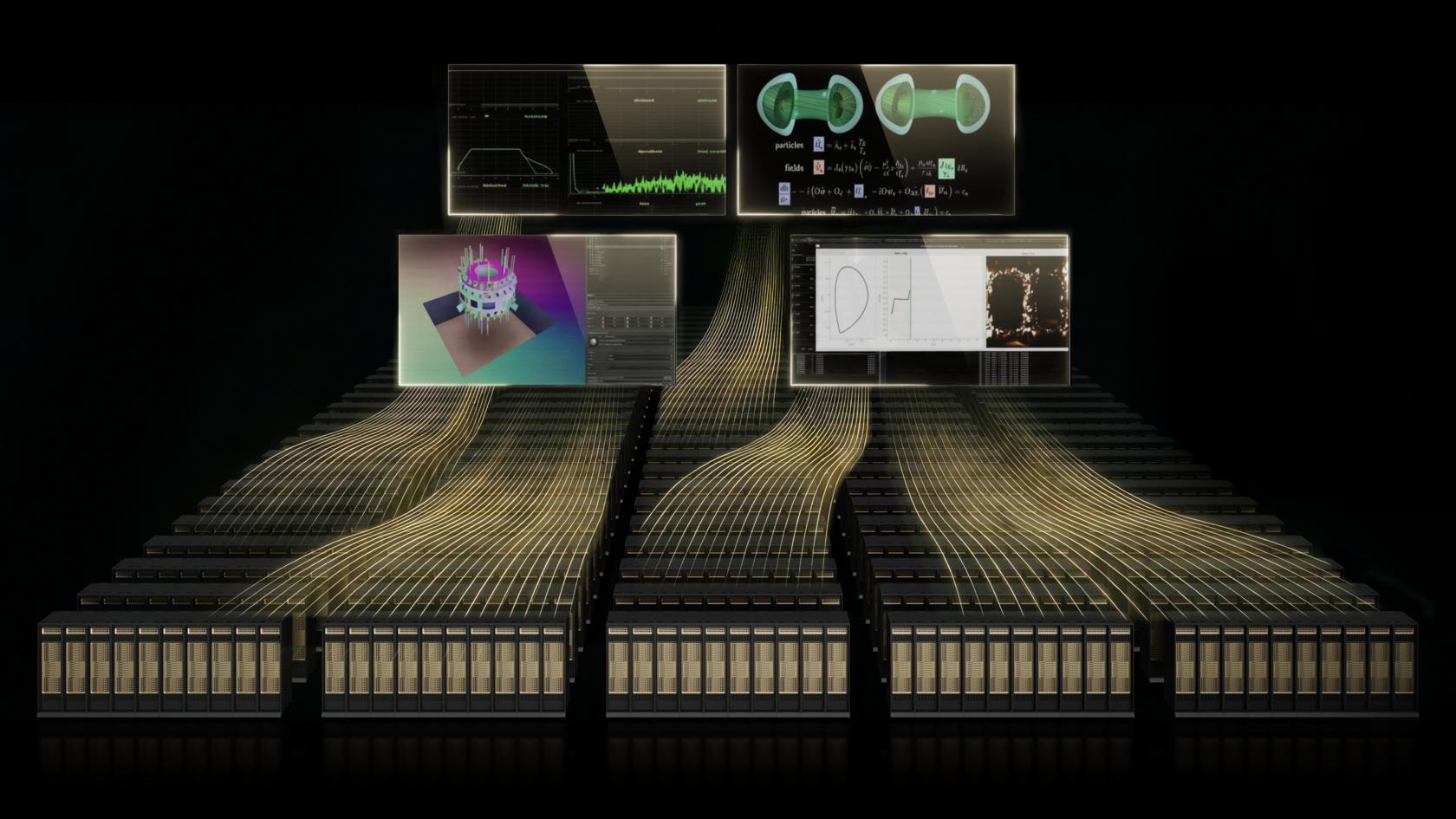
The post frames AI factories as a successor to data centers: full-stack systems that turn compute, networking, memory, software and power into tokens for agentic AI. NVIDIA says the economics now hinge on tokens per watt, uptime and orchestration.
AI factories are like giant kitchens for intelligence. Instead of baking bread, they make tokens, which are the little pieces AI uses to think and answer.
NVIDIA says these factories need lots of things working together, like the oven, the fridge, the delivery carts, and the people in the kitchen. If one part is slow, the whole kitchen slows down.
The main idea is that the best AI setup is not just the fastest one. It is the one that can make the most useful answers using the least energy and money, like making lots of sandwiches without wasting ingredients.
Analysis
What NVIDIA means by an AI factory
NVIDIA describes AI factories as a new kind of infrastructure built to manufacture intelligence continuously, not just host software. In the company’s framing, the old industrial comparison is deliberate: power plants turned fuel into electricity, while AI factories turn energy into tokens, the output unit for reasoning models, agents, and intelligent systems.
The workload has changed
The article argues that AI is no longer mainly about one-off prompts. Agentic systems now reason, plan, search, retrieve data, write code, use tools, and even create sub-agents. That makes the workload longer, more interactive, and more compute-heavy, which in turn changes what the infrastructure must optimize: latency, throughput, memory movement, networking coordination, and high utilization across the stack.
Full-stack codesign is the point
NVIDIA says AI factories require extreme codesign across hardware, networking, memory, storage, software, power, and cooling. The goal is to keep intelligence in continuous output while lowering cost per token and improving tokens per watt. The post points to SemiAnalysis InferenceX benchmarks and says Blackwell Ultra, GB300 NVL72 systems, and the Dynamo framework are part of this push, with Vera Rubin presented as the next step in improving performance per watt. The core claim is simple: for AI producers and enterprises alike, profitability now depends on how efficiently a system can produce intelligence in real time.
Key points
- NVIDIA frames AI factories as infrastructure that produces tokens continuously for agentic AI.
- The article says the key economics are tokens per second, tokens per watt, cost per token, utilization, and uptime.
- Agentic AI changes the workload by adding reasoning, planning, tool use, retrieval, code writing, and sub-agents.
- The post argues that full-stack codesign across hardware and software is necessary to keep inference efficient in real time.
- NVIDIA says Blackwell Ultra, GB300 NVL72, Dynamo, and Vera Rubin are part of improving performance per watt and lowering cost per token.