AI glasses reportedly used to film flight attendants without consent, Rokid responds with action plan
Rokid AI glasses are under scrutiny after reports they were used to film people without consent. The company says it will add hardware-level recording indicators and obstruction detection.
Intelligence analysis by GPT-5.4 Mini
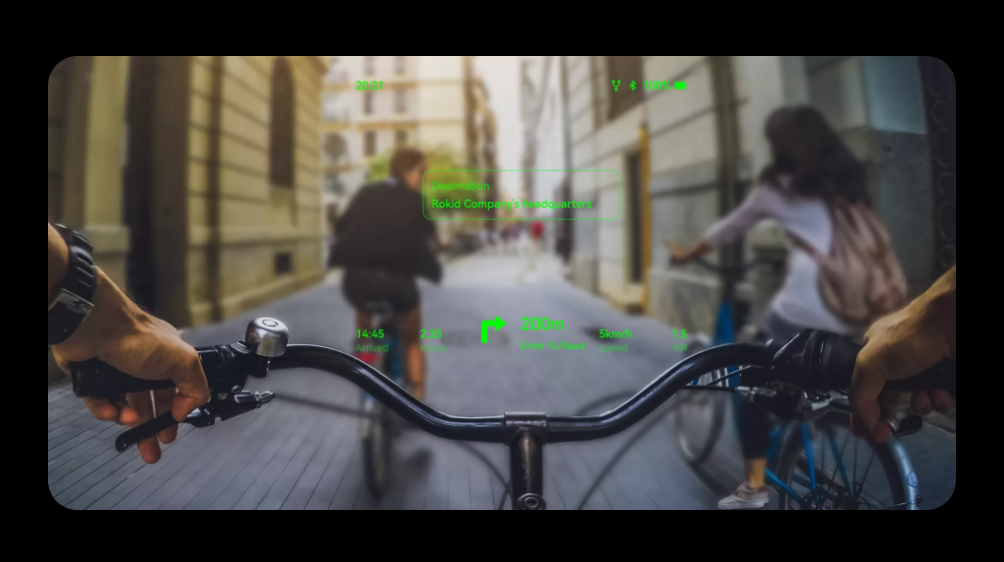
A Weibo controversy in China has put AI smart glasses back in the privacy spotlight after videos allegedly showed flight attendants and pedestrians being recorded without knowing it. Rokid says it will strengthen its devices with hardware indicators and obstruction detection.
Smart glasses can take pictures and video, but some people worry they can be used like a hidden camera. Rokid says it will make its glasses easier to notice when they are recording, like adding a bright warning light that is hard to cover up.
Analysis
What happened
TechNode reports that a wave of concern spread on Weibo this week after videos in the Rokid community appeared to show flight attendants and pedestrians being recorded without their knowledge. The backlash was tied to AI-powered smart glasses, and it raised a broader question: whether current notice systems are enough to make recording obvious in public.
Why the concern grew
According to the article, some users have been buying low-cost stickers that block the glasses' recording indicator lights. Once those stickers are applied, other people may have little way to tell whether the device is capturing video. Audio alerts are not a full solution either, because they can be heard only by the wearer. The piece argues that this exposes weaknesses in how privacy protections are designed into some smart wearable devices.
The article also notes that some products place indicator lights on the inside of the temples, where they are harder to see, and that the light may only turn on briefly. In addition, privacy details are often buried in documentation instead of being made clear during purchase or setup.
Rokid's response
On Monday, Rokid said its current products will include hardware-level recording indicators and obstruction detection features, with future devices expected to improve privacy protections further. The article presents these steps as encouraging, but says their real effectiveness will depend on how the market and users respond.
Bigger picture
The piece frames smart glasses as a neutral tool: useful for daily documentation, productivity, and new forms of human-computer interaction, but also capable of enabling covert recording. As AI glasses move from a niche product to a mainstream consumer category, the industry faces a practical test of how to balance convenience with public privacy.
Key points
- Rokid smart glasses were pulled into a privacy controversy after reports of covert filming on social media.
- The article says low-cost stickers can block recording indicator lights, making recording harder to detect.
- Rokid said it will add hardware-level recording indicators and obstruction detection to current products.
- The story frames smart glasses as useful but privacy-sensitive devices as they move toward mass adoption.
If Rokid's changes work, smart glasses could become easier for people around the wearer to notice when recording is happening. That would help the category keep its usefulness while reducing some of the privacy fears that are slowing trust.
If indicator lights and alerts are easy to block, the same privacy problem could keep coming back across the industry. That could make public backlash worse and push regulators, platforms, or venues to respond more aggressively.