AI is devoid of meaning and humanity. That’s why its vapid voice suits this political moment
Malik argues AI flattens language, weakens thought and fits a politics soaked in empty, synthetic-sounding content.
Intelligence analysis by GPT-5.4 Mini
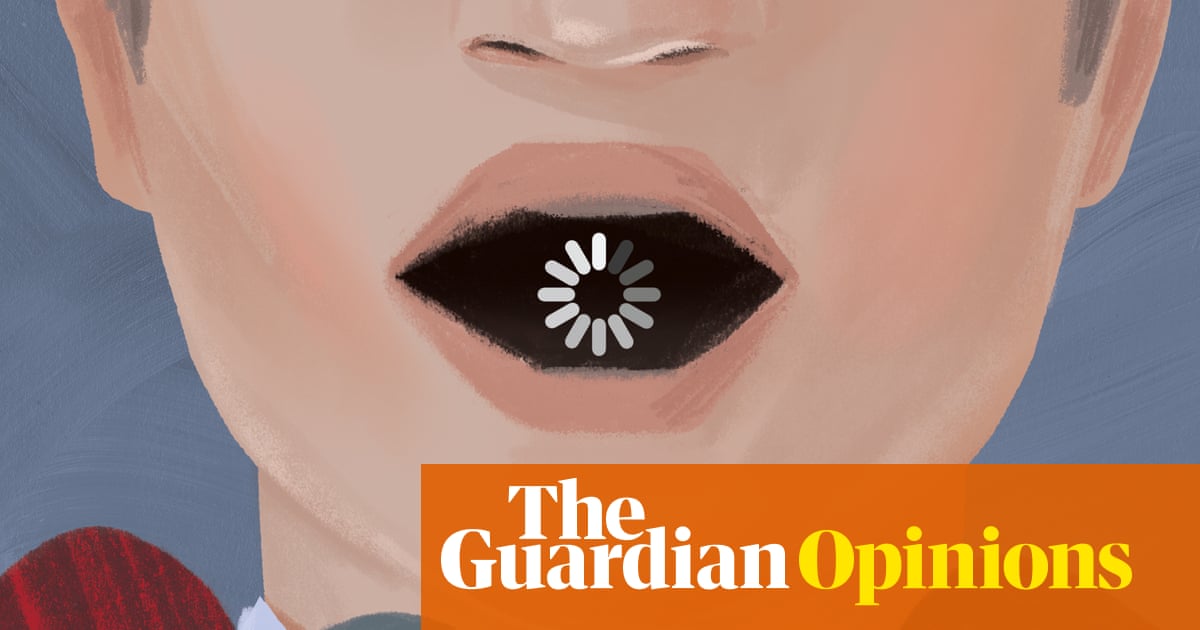
The column says AI is not just unreliable, but stylistically hollow: it copies existing voices, dulls original expression, and encourages a culture of speed over thought. Malik links that blandness to politics, where evasive, machine-like speech and mass disinformation already dominate.
Malik says AI can sound like a person, but it does not really think like one. It can copy styles that already exist, yet it cannot create the same kind of original voice that comes from a real person’s life and ideas.
She also worries that if people use AI too much, their own writing muscles get weaker. It is like always taking the elevator instead of climbing stairs: things get easier, but strength can fade.
She thinks this matters because politics already has too many empty words and fake-sounding messages. If machines make more of that, it becomes even harder to know what is real and whom to trust.
Analysis
What Malik argues
Malik opens with examples of AI-generated mistakes, including a writer whose book reportedly contained fake or misattributed quotes after using AI as a research partner. She says that kind of failure is part of a bigger problem: AI is not just error-prone, it also pushes a distinctive voice into everyday life.
The larger concern
That voice, in her telling, is bland, declarative and oddly performative. It shows up in customer-service scripts, social posts and press releases, and she worries that constant exposure is making human writing sound the same. Her critique is not only aesthetic. She argues that relying on AI for research and drafting severs the link between thought and expression, makes writing less personal, and encourages atrophy in the effort needed to find the right words.
Why she connects it to politics
Malik extends the point to public life. She describes a political environment full of content, bad information and carefully emptied-out messaging. In her view, AI fits that atmosphere because it helps produce a flood of smooth but shallow language, while politics itself increasingly sounds like a machine: repetitive slogans, hedging and avoidance. The article suggests that this is not just a technology story, but a trust story. If language becomes cheaper to produce and easier to fake, the social contract that depends on credible speech gets weaker.
Key points
- Malik says AI is unreliable as a research tool and can generate fake or misattributed material.
- She argues AI has a bland, copycat tone that is spreading through everyday communication.
- The column warns that leaning on AI can weaken original thought and writing skill.
- Malik links AI's voice to a political culture of empty slogans and disinformation.
- The piece frames trust in human expression as something worth protecting.