AI narrows 40 experiments to find 6 that work for NASA rocket alloy
WSU researchers used AI to 3D print NASA rocket alloy with 40 experiments, finding 6 that worked, including the first successful print at 500 watts.
Intelligence analysis by Qwen 2.5 (3B)
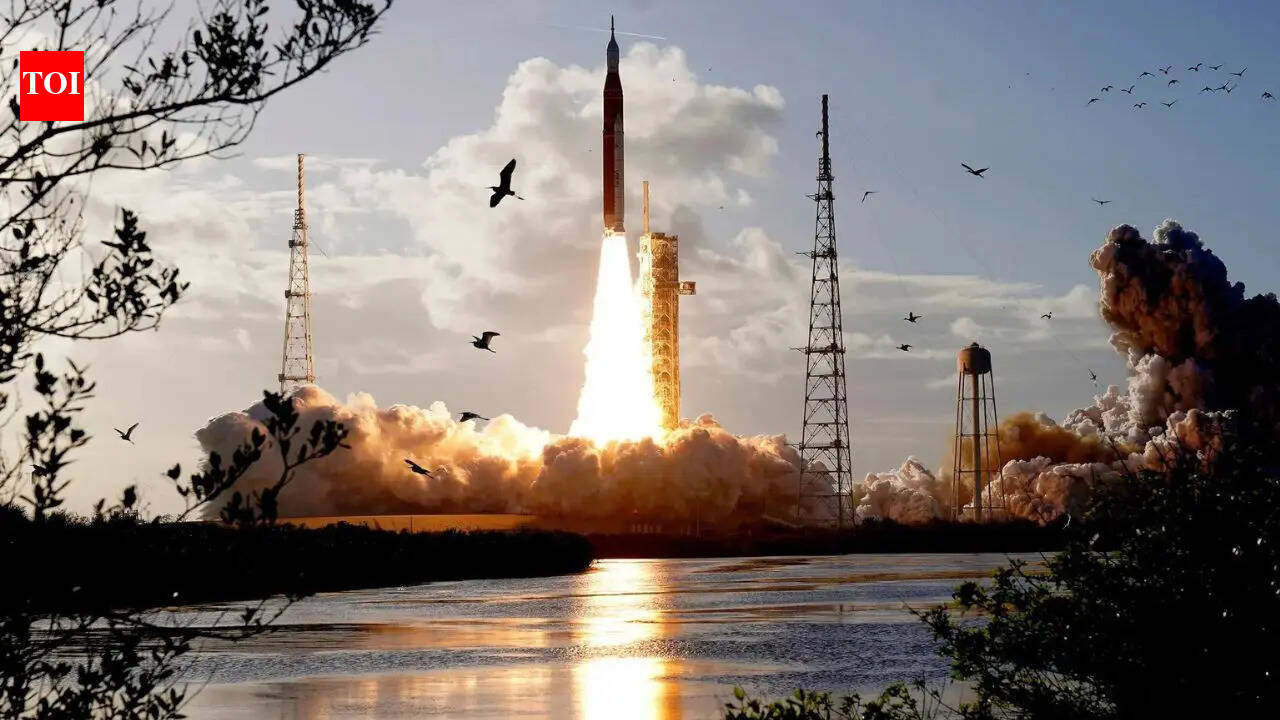
Washington State University researchers used AI to 3D print a NASA rocket alloy with 40 experiments, finding 6 that worked, including the first successful print at 500 watts.
AI helped find 6 ways to 3D print a special metal used in rockets with less power and money, making it easier for other places to use.
Analysis
{"#AI Strategy":"The AI strategy developed by the team could help with other scientific problems involving enormous numbers of possible experiments, including drug discovery.","#AI's Role":"AI searches more than 100 million possibilities, balancing promising configurations with less certain parts of the search space.","#Collaboration":"The project also received the Innovative Deployed Application Award at the AAAI Conference, highlighting the importance of AI in scientific research."}
Key points
- AI helped find 6 ways to 3D print a special metal used in rockets
- The alloy is used in aerospace applications and has good properties
- The successful print used only 500 watts of power, making it more accessible
This could make the alloy more accessible and cost-effective for other industries, like making rockets for other companies and universities.
However, the alloy is still hard and expensive to print, and researchers already knew the successful settings would be rare among the more than 100 million possible configurations.