AI needs a 'brake pedal', warns Anthropic co-founder
Anthropic co-founder Jack Clark says AI is advancing too fast without enough safeguards and regulators need a way to slow it down.
Intelligence analysis by GPT-5.4 Mini
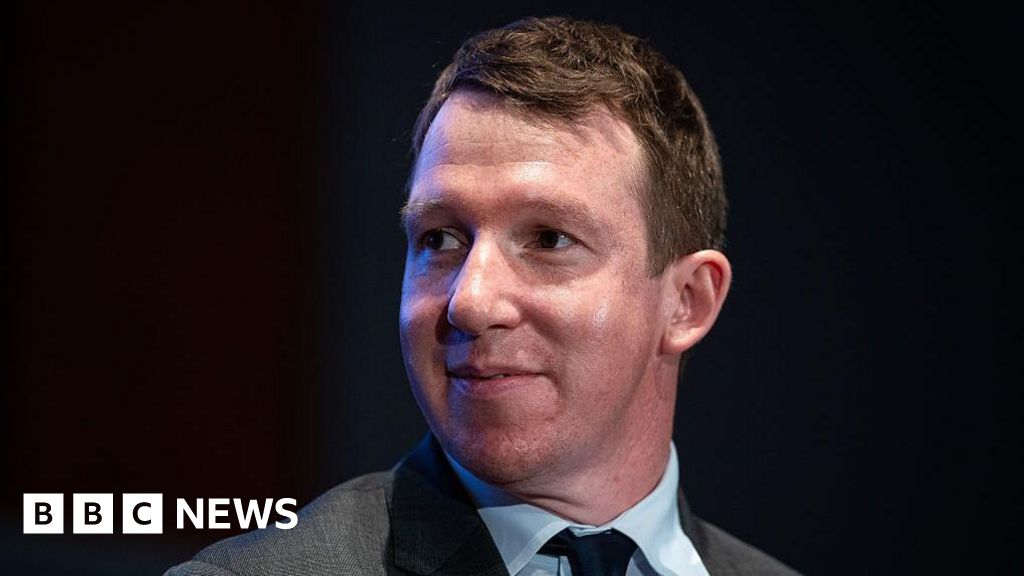
Jack Clark argues AI development has a gas pedal but no brake pedal, and says governments need policy and regulation to keep control as systems become more capable. He links the need for guardrails to risks around jobs, surveillance, warfare, and the possibility of AI writing nearly all of its own code.
Jack Clark is saying AI is like a fast car with no brake. He thinks people need rules to keep it from racing ahead too far, because it could change jobs, safety, and how society works.
Analysis
What Clark is warning about
Anthropic co-founder Jack Clark told BBC Newsnight that AI development needs a way to slow down, saying the industry has a way to accelerate but not a way to apply a brake. His core argument is that people, through government policy, should remain in control as AI systems become more powerful and more widely used.
Clark said the world needs to think about new regulations that can make people confident in these systems. He did not spell out exactly how a brake pedal for AI research would work, but he compared the moment to the early oil era, when society built a policy and regulatory framework around a powerful new industry.
Why the warning is sharper now
The article says Anthropic’s chatbot Claude is already writing 80% of the code the system uses itself. Clark said reaching 100% within two years is possible, and that would have “huge implications.” That point matters because it suggests AI systems may soon be helping build the very software that drives them.
Clark also pointed to broader social risks. He said AI could disrupt the economy, especially if agents and other AI tools take over routine tasks. At the same time, he said people who are creative, broadly read, and full of ideas may be better placed to benefit from the technology.
The policy backdrop
The company welcomed a relatively hands-off AI executive order from President Donald Trump that did not require government safety testing. The article also notes that leading AI companies, including Anthropic, OpenAI, and Google, have not agreed to pause their research. That leaves the pace of change largely in the hands of the companies themselves, which is exactly the situation Clark is warning about.
Key points
- Jack Clark says AI needs a real way to slow down, not just speed up.
- He argues governments should help keep humans in control through policy and regulation.
- Anthropic says Claude already writes most of its own code, and full self-coding could arrive within two years.
- Clark warns AI could disrupt jobs and raise risks around surveillance and autonomous warfare.
- He says creative, broadly curious people may be best positioned to benefit from AI.
If policymakers do create clearer rules, AI could become more trustworthy while still delivering major benefits. Anthropic’s public warnings could help push the kind of serious debate Clark says is needed before the technology gets even more powerful.
If AI keeps advancing without stronger guardrails, systems could become harder for people to control. The article points to risks including job disruption, military or surveillance use, and AI becoming capable of writing nearly all of its own code.