AI-proof? Younger workers desert the digital world for traditional crafts
Young workers turn to traditional crafts like bookbinding, metalwork, and boatbuilding as entry-level jobs are disrupted by AI.
Intelligence analysis by Qwen 2.5 (3B)
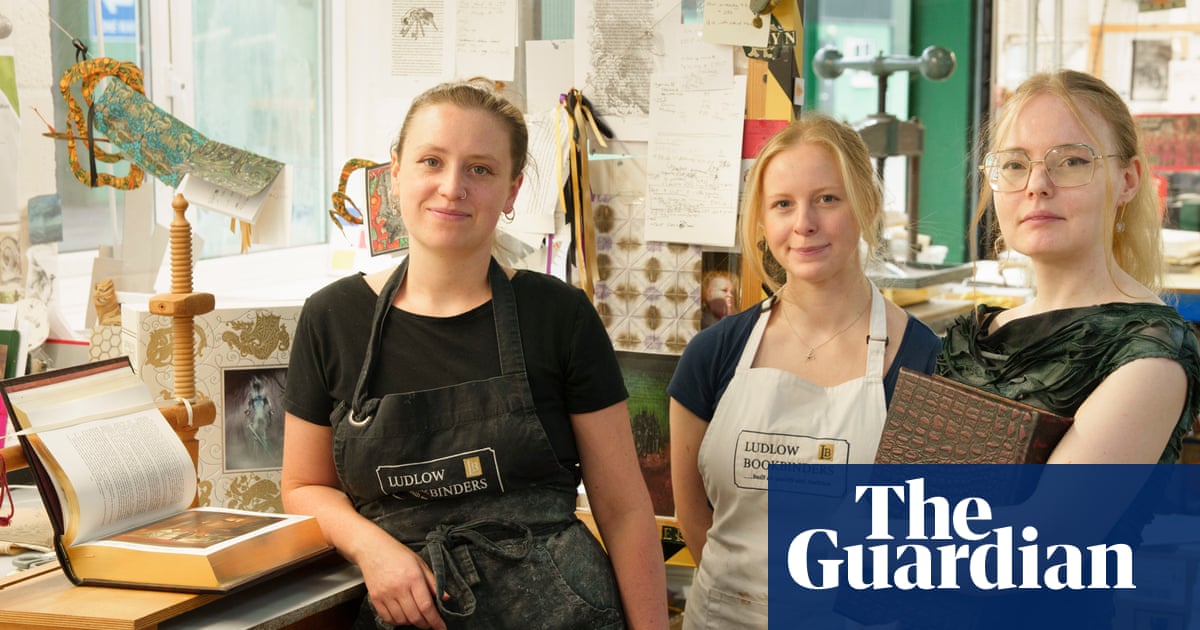
Young workers are leaving digital jobs for traditional crafts like bookbinding and metalwork as AI disrupts entry-level positions.
Young people are leaving jobs that use computers and AI to do work like making books or metal things. They think doing these old-fashioned jobs is better because it feels more satisfying and less stressful than working with computers.
Analysis
The Shift in Career Paths
The Digital Disruption
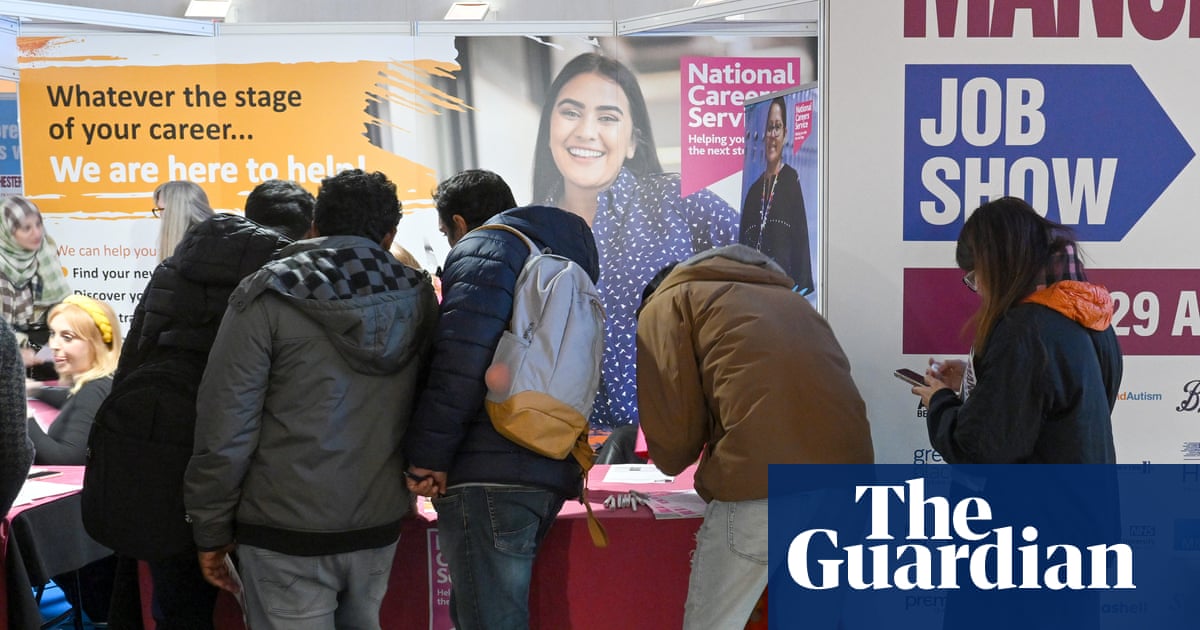
For decades, a university degree was seen as a guarantee of a stable career. However, the entry-level white-collar jobs across almost all sectors are being disrupted by AI. This has led to a growing number of young workers seeking alternative, more stable paths. The article highlights the case of Eryn Lawley, a 27-year-old politics graduate who left her digital job to become a bookbinding apprentice. She found the job more satisfying and less stressful than her previous role.
The Rise of Traditional Crafts
The article also discusses the rise of traditional crafts like boat-making, metalwork, and bookbinding as a response to AI. Paul Kidson, the chief executive of Ludlow Bookbinders, estimates that there are fewer than 50 handcraft-operating bookbinders in Britain today. He attributes this to the collapse of formal apprentice schemes in the 1980s. Despite the decline, there is a growing interest in these crafts, with Cox London receiving over 160 applications for two apprenticeship places this year.
The Value of Human Craftsmanship
The article emphasizes the value of human craftsmanship. Joanna Reynolds, the chief executive of the Folio Society, states that the company does not use AI in its creative processes. She believes in supporting the creative world and believes that human craftsmanship is irreplaceable. The article also mentions the National Theatre, which offers technical apprenticeships in various crafts, including traditional wig-making and costume design. Kath Geraghty, the head of technical qualifications, highlights the need to create a more representative workforce and to plug the skill gap in these dying crafts.
Implications and Future Outlook
The Future of Traditional Crafts
The article suggests that traditional crafts like bookbinding and metalwork are becoming more popular as a response to AI. However, it also notes that these crafts are facing a decline in younger generations. The article concludes by emphasizing the importance of preserving these crafts and the value of human craftsmanship in a world increasingly dominated by AI.
Key points
- Young workers are leaving digital jobs for traditional crafts like bookbinding and metalwork as AI disrupts entry-level positions.
- There are fewer than 50 handcraft-operating bookbinders in Britain today, but there is a growing interest in these crafts.
- Traditional crafts like bookbinding and metalwork are considered more valuable and irreplaceable by some companies and individuals.
- The National Theatre offers apprenticeships in traditional crafts to create a more representative workforce and to plug the skill gap.
- The article suggests that traditional crafts may become more popular as a response to AI, but it also notes that these crafts are facing a decline in younger generations.
As AI continues to disrupt traditional jobs, traditional crafts like bookbinding and metalwork may become more popular as a way to find stable work. This could lead to more people learning these skills and keeping these crafts alive.
If AI continues to advance, it may eventually replace human workers in traditional crafts. This could lead to a decline in these crafts and a loss of traditional skills.