Air fare rises ‘inevitable’ as airlines face extra $100bn jet fuel bill this year
Airlines say higher jet fuel costs will force fares up as oil supplies tighten after the Iran war. Iata expects industry profits to halve to $23bn in 2026.
Intelligence analysis by GPT-5.4 Mini
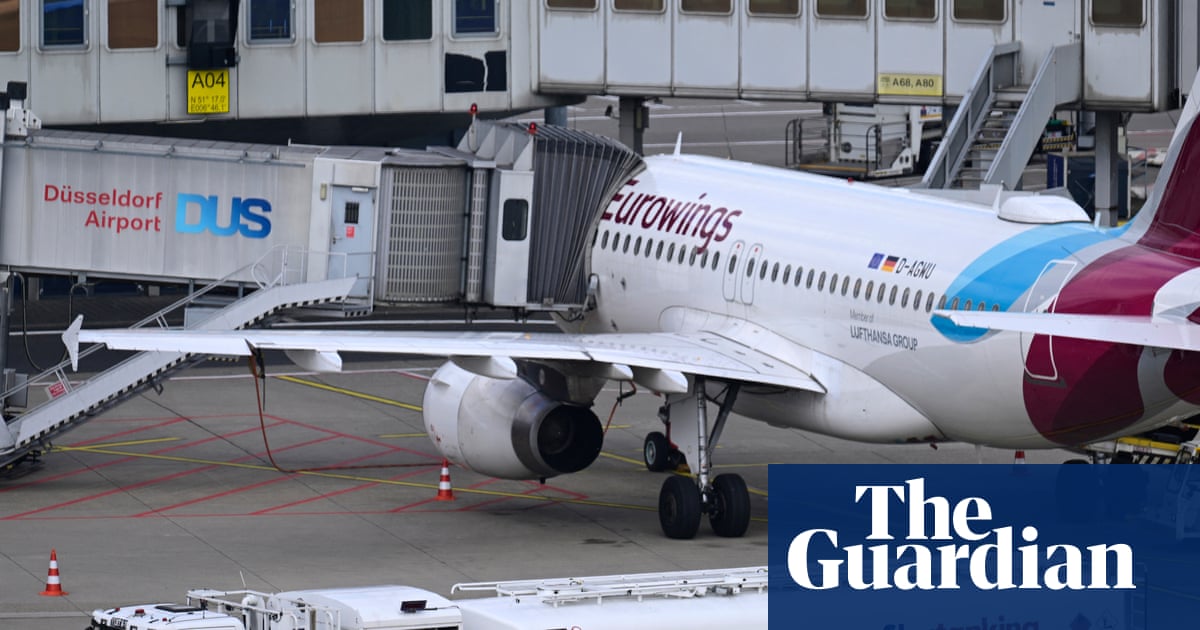
Airline leaders at an Iata summit in Rio said the jump in jet fuel costs after disruptions to oil supplies will push ticket prices higher. The group warned the shock could cut industry profits in half, even as demand and traffic still hold up.
Airlines are paying a lot more for plane fuel, like a delivery company suddenly paying much more for gas. When that happens, ticket prices usually go up too, and the airline group says profits may shrink a lot.
Analysis
Fuel shock hits airlines
Airlines will have to spend an extra $100bn on jet fuel this year, according to Iata, after the war with Iran disrupted oil supplies and pushed prices higher. The group said jet fuel prices are expected to be about 70% higher across 2026, which would cut collective industry profits worldwide to $23bn, roughly half of earlier expectations.
Willie Walsh, Iata’s director general, said higher oil prices will mean higher ticket prices and that there was “no way to avoid that.” He described the market as challenging and unpredictable, with wafer-thin margins for many carriers. At the same time, he said the supply situation is less acute than during Covid and that the industry remains profitable and still expects growth, with traffic up 2%.
Who pays more
British Airways chief executive Sean Doyle said there would be no escaping the pressure if fuel rises. He suggested long-haul and business passengers are most likely to see the biggest pass-through of costs, while price-sensitive short-haul leisure routes may see increases later.
Iata said its research suggests about half of passengers are prepared to spend substantially more if fares track oil prices, which the group said supports a stronger northern summer season. But it also warned that more Europeans and Britons are flying within the continent rather than farther afield, partly because of uncertainty around Gulf hubs.
Other pressure points
The airline body also warned that the EU’s new entry-exit system could create long waits at border control. Iata wants Europe to rewrite rules so border flexibility can continue beyond the September 7 deadline for full biometric checks. The group said processing times could rise sharply and that the system may be especially disruptive in Mediterranean tourism markets.
Key points
- Iata says airlines face an extra $100bn jet fuel bill this year after oil supplies were hit.
- Jet fuel prices are expected to be about 70% higher across 2026.
- The group cut its outlook for collective industry profits to $23bn, about half its earlier estimate.
- Executives said higher fares are unavoidable, with long-haul and business travel likely to feel the biggest increases.
- Iata also warned the EU’s new border system could create long waits and disrupt travel.
Passenger demand is still holding up, and Iata said traffic is up 2%. If travelers keep flying and accept higher prices, airlines may still stay profitable through the busy northern summer.
If fuel stays expensive for long enough, airlines could be forced to raise fares across more routes, hitting leisure and business travel alike. Iata also warned that some carriers could struggle to survive the fuel shock, especially with already thin margins.