Airline industry chiefs say 2050 net zero goal now unlikely
Airline leaders admit the industry's landmark 2050 net-zero carbon emissions pledges will likely not be met, with a new "realistic timeline" now needed.
Intelligence analysis by Gemini 2.5 Flash
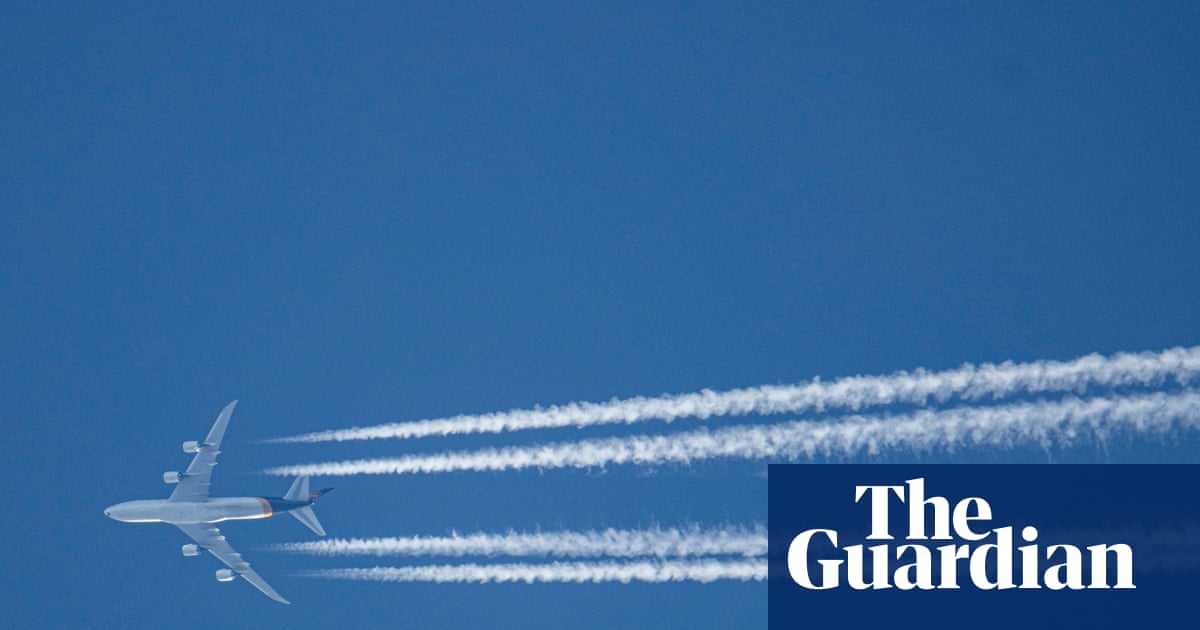
Global airline chiefs are attributing the probable failure to achieve their 2050 net-zero carbon emissions target to a lack of progress from fuel suppliers, governments, and aircraft manufacturers, casting doubt on the aviation industry's ability to decarbonize as quickly as promised.
Imagine a big group of airplane companies promised to stop making dirty air by 2050, like cleaning up their room. But now, their boss says it's probably not going to happen because the people who make special clean fuel, the governments, and the airplane builders aren't helping enough. They need to find a new, easier promise date.
Analysis
The airline industry's ambitious goal of achieving net-zero carbon emissions by 2050 is now considered unlikely, according to industry leaders. Willie Walsh, director general of the global airlines body Iata, stated that "hope was fading fast" for the 2050 target and advocated for a new "realistic timeline."
Blame and Bottlenecks
Walsh attributed the probable failure to three main groups: fuel suppliers, governments, and aircraft manufacturers. He highlighted that over half of the aviation sector's decarbonisation plan relied on the development of sustainable aviation fuels (SAF). The remaining portion was largely dependent on Corsia, a global emissions trading program overseen by the UN's aviation body, ICAO.
SAF Production Shortfall
A significant challenge is the slow pace of SAF production. Walsh noted that annual SAF production is projected to reach only 2.4 million tonnes this year, accounting for a mere 0.8% of airline fuel needs. This is a considerable shortfall compared to the 2050 goal of 65%, or 500 million tonnes. He bluntly stated that "there is no path" to meet ICAO's 2030 target of a 5% emission reduction through SAF use.
Government Inaction and Aircraft Delays
Walsh criticized governments for "undermining" Corsia through inaction and expressed disappointment with manufacturers for delaying the delivery of more efficient new aircraft. He also pointed to the failure of fuel companies to deliver on their promises to make SAF available. Marie Owens Thomsen, Iata’s sustainability vice-president, called the UK and EU's 2030 e-SAF targets "beyond unrealistic," arguing that imposing mandates before production capability exists is a "reckless energy market creation strategy" that will only drive up prices.
Environmental Concerns and Future Implications
Environmental campaigners have long viewed the industry's pledges as "greenwashing." The admission of likely failure could further complicate plans for airport expansion, such as Heathrow, which in theory, requires climate tests to be met. The industry now seeks a timeline that is both "realistic within the broader context of the global energy transition" and addresses the urgency of climate change and energy security.
Key points
- Airline industry leaders admit the 2050 net-zero goal is unlikely to be met.
- Iata's director general, Willie Walsh, blames fuel suppliers, governments, and aircraft manufacturers for the anticipated failure.
- More than half of the decarbonisation plan relied on sustainable aviation fuels (SAF), but production is significantly behind target.
- Government inaction on emissions trading and delays in new efficient aircraft deliveries are also cited as major issues.
- A call has been made for an urgent dialogue to establish a new, more realistic timeline for emissions reduction.
A more realistic timeline could emerge, allowing for a more achievable transition to sustainable aviation practices. This revised approach might foster stronger collaboration between airlines, fuel producers, and governments, leading to more practical and effective decarbonization strategies.
The failure to meet the 2050 net-zero goal could result in ongoing environmental criticism and increased pressure on the airline industry. This could lead to higher operating costs for airlines, potentially raising airfares and impacting travel demand, as well as regulatory hurdles for future expansion.