Al-Teatro: A Masterpiece of Theatrical Artistry
The play "Al-Teatro" at El Salam Theater in Egypt delivered an unforgettable experience, praised for its set design, music, acting, and profound message. Director Ahmed Fouad was lauded for his masterful vision.
Intelligence analysis by Gemini 2.5 Flash Lite
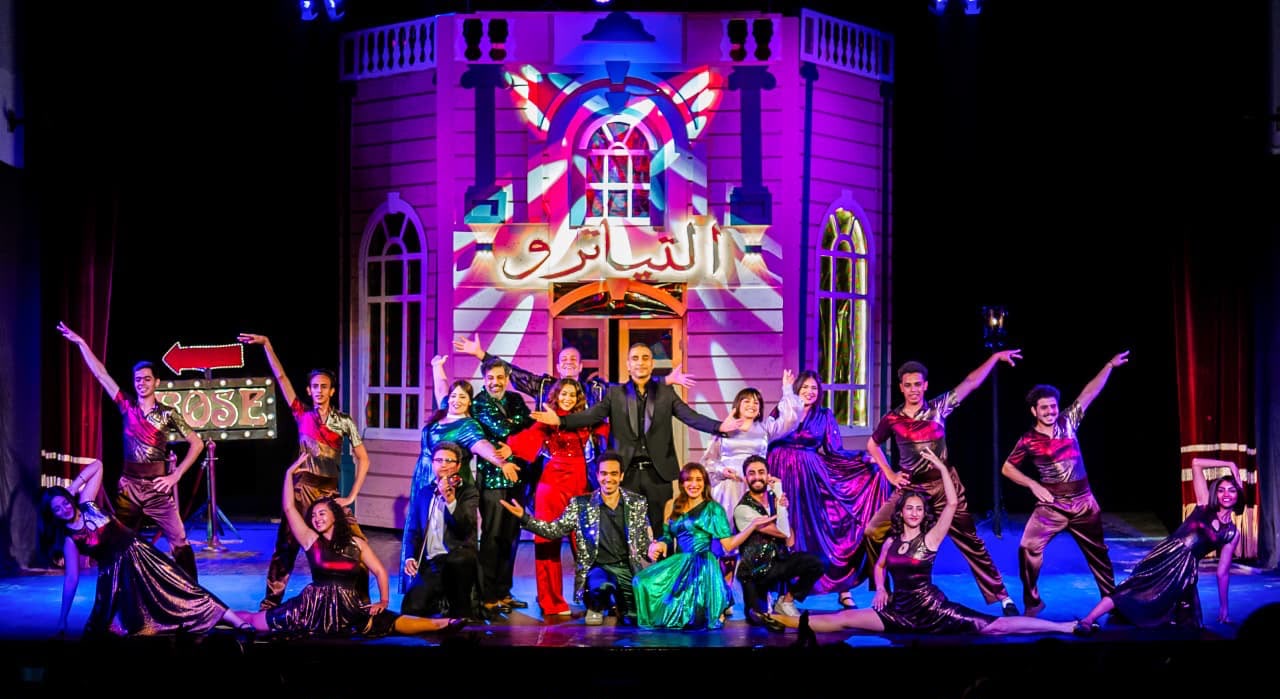
A review of the play "Al-Teatro" highlights its exceptional theatrical quality, emphasizing director Ahmed Fouad's artistic vision and the production's ability to revive the authentic essence of theater as a cornerstone of civilization and national identity.
Imagine a play that's like a perfectly baked cake, with amazing decorations, delicious flavors, and a sweet message. "Al-Teatro" was like that cake, made by a great chef (the director) who made sure every part was just right, reminding everyone how important stories and art are for a country.
Analysis
Ahmed Fouad's Vision
Director Ahmed Fouad is presented as the central figure behind the success of "Al-Teatro," described as a "maestro" who conducted a "theatrical symphony" with "outstanding directorial mastery." His artistic vision is credited with giving each element of the production its due space, seamlessly integrating dramatic technique and stage presentation. The play's unfolding is likened to a "harmonious musical composition," rich in thought, performance, and directorial craft, which left the audience deeply immersed.
Fouad's direction skillfully embraced the play's core theme: "Give me a theatre, and I will give you a civilization." This resonates with a traditional understanding of theater's role in society, where culture and dramatic arts are seen as the birthplace of a nation's civilization and history. The review posits that theater is the "mother of all arts" and a "mirror reflecting a country’s identity."
The Essence of Theater
The review emphasizes that "Al-Teatro" champions the idea that genuine talent and refined art transcend evolving tastes, conflicts, conditions, and social classes. It aims to revive the "beautiful, authentic meanings of what theater should be," a sentiment the author felt had been "sorely missed." This revival is presented as crucial for maintaining cultural heritage and national identity.
The play's success is framed as a testament to the enduring power of art, suggesting that even amidst societal changes, the impact of well-crafted theater remains constant. It serves as a reminder of theater's foundational importance in cultural discourse and societal reflection.
Cultural Support and Young Talent
The article expresses gratitude to the Arab Republic of Egypt, particularly the Egyptian Ministry of Culture, for their support of Egyptian and Arab culture. This support is seen as instrumental in maintaining Egypt's status as a "beacon of Arab culture and the pioneer of Arab theater." The review specifically commends director Ahmed Fouad for championing young talent.
This focus on nurturing new artists, blending their energy with established actors, is highlighted as a key aspect of Fouad's distinct directorial vision. It suggests a forward-looking approach to theater that values both tradition and innovation, ensuring the continued vitality of the art form in Egypt and the wider Arab region.
Key points
- The play "Al-Teatro" at El Salam Theater was a highly successful production praised for its comprehensive theatrical excellence.
- Director Ahmed Fouad's masterful vision and skillful execution were central to the play's artistic achievements.
- The production emphasized the profound connection between theater, culture, and the development of civilization and national identity.
- The review highlights the importance of supporting Egyptian and Arab culture, with a special mention of the Egyptian Ministry of Culture.
- Director Fouad was commended for championing young talent and integrating them with established performers.
The success of "Al-Teatro" could inspire further investment in and appreciation for theatrical arts in Egypt and the Arab world. It may encourage more productions that blend traditional cultural values with contemporary artistic expression, fostering a stronger sense of national identity.
If cultural support wanes or if similar productions fail to resonate with audiences, the revival of theater's role as a cornerstone of civilization could be hindered. A lack of continued investment might lead to a decline in the quality and impact of future theatrical endeavors.