Alamut Castle named UNESCO World Heritage site
Iran's Alamut Castle and Associated Fortifications have been officially inscribed on the UNESCO World Heritage List, marking the country's 30th tangible cultural heritage site to receive this international recognition.
Intelligence analysis by Gemini 2.5 Flash
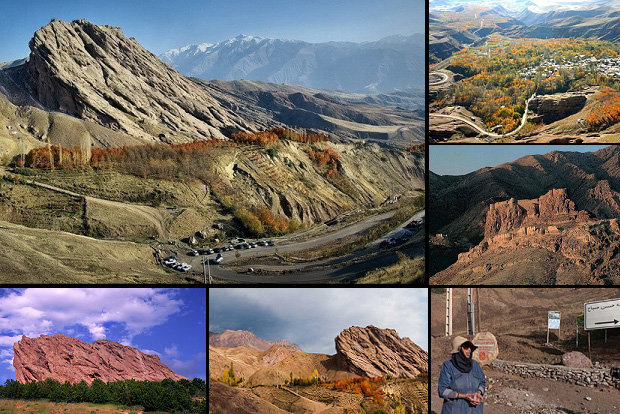
The decision was made during the 48th session of the UNESCO World Heritage Committee in Busan, South Korea. This newly recognized serial property includes seven historic castles and fortifications, strategically located across the Alamut valleys and Alborz mountain range, built between the 11th and 13th centuries.
Imagine a super old, secret network of seven castles built high up in the mountains of Iran, like a giant puzzle fitting perfectly with the land. People built them almost a thousand years ago, not just to protect themselves, but also as places where smart people studied. Now, a big international group called UNESCO has said these castles are so special and important that they should be protected by everyone in the world, like a precious treasure.
Analysis
Historical Significance and Architectural Marvel
The inscription of Alamut Castle and its associated fortifications on the UNESCO World Heritage List highlights the profound historical and architectural ingenuity of medieval Iran. Developed between the 11th and 13th centuries, these structures were not merely defensive strongholds but also centers of learning, demonstrating a sophisticated understanding of the region's challenging geography. The network, comprising seven distinct castles including Alamut, Lambsar, and Shirkuh, showcases advanced defensive architecture, strategic spatial organization, and innovative water-resource management techniques tailored to the rugged Alborz mountain range. Their design reflects a deep integration with the natural landscape, making them formidable and self-sufficient complexes that played a pivotal role in the political and military landscape of their era.
UNESCO Recognition and Cultural Preservation
Achieving UNESCO World Heritage status for Alamut Castle and its associated sites is a significant milestone for Iran, bringing its total number of tangible cultural heritage sites on the list to 30. This international recognition underscores the universal value of these historical complexes, acknowledging their importance not just to Iran but to humanity as a whole. The designation is expected to attract greater international attention and resources towards the preservation and maintenance of these ancient sites, ensuring their protection for future generations. It also validates Iran's ongoing efforts in documenting and presenting its rich cultural legacy on a global stage, fostering a sense of pride and responsibility for its unique heritage.
Broader Implications for Iranian Heritage
Beyond the immediate benefits of preservation and increased tourism, the UNESCO inscription of Alamut Castle carries broader implications for Iran's cultural diplomacy and national identity. These sites were not only military bastions but also intellectual hubs, associated with prominent scholars like Khajeh Nasir al-Din al-Tusi. This dual legacy of strategic prowess and intellectual flourishing enriches the narrative of Iranian civilization. The international spotlight on Alamut can encourage further archaeological research, historical studies, and cultural exchange, deepening global understanding of Iran's contributions to medieval science, philosophy, and architecture. It reinforces the idea that Iran's heritage is a vital component of the world's shared cultural tapestry, deserving of collective appreciation and safeguarding.
Key points
- Iran's Alamut Castle and Associated Fortifications have been inscribed on the UNESCO World Heritage List.
- This marks Iran's 30th tangible cultural heritage site to receive the international designation.
- The serial property includes seven historic castles and fortifications, developed between the 11th and 13th centuries.
- The structures demonstrate advanced understanding of geography, water management, and defensive architecture.
- Beyond military functions, the complexes served as centers of learning and are linked to scholars like Khajeh Nasir al-Din al-Tusi.
The UNESCO World Heritage designation is expected to significantly boost cultural tourism to the Alamut region, attracting international visitors and generating economic benefits for local communities. This recognition will also likely enhance international cooperation in archaeological research and conservation efforts, ensuring the long-term preservation of these invaluable historical sites.