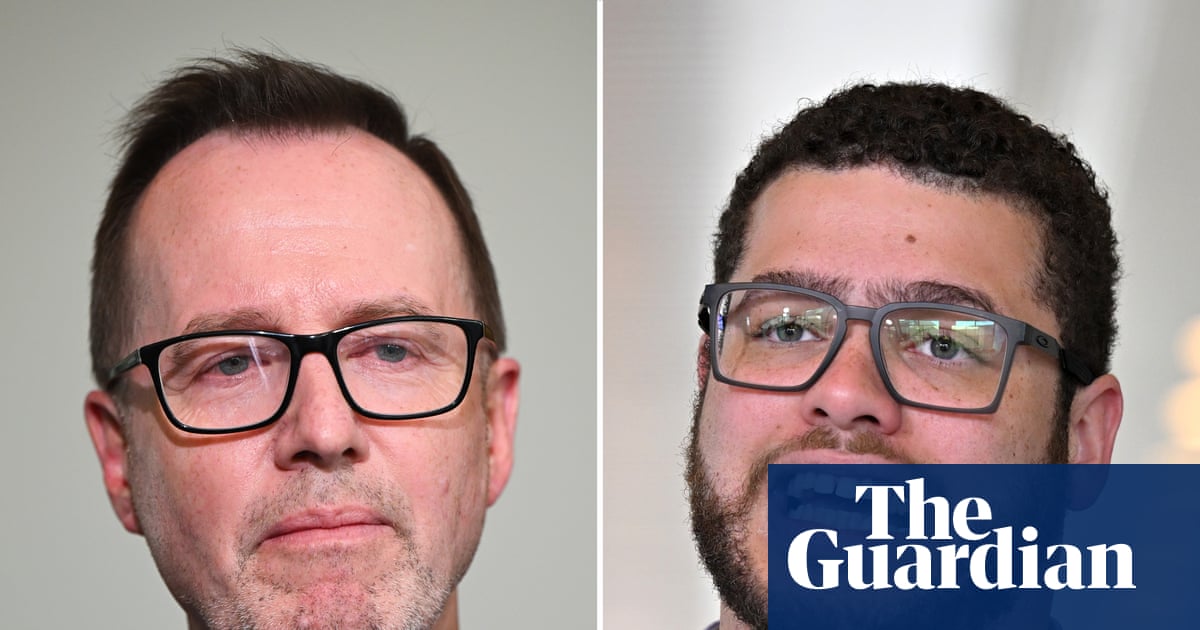
Albanese at odds with Labor policy which now says telehealth should be allowed for euthanasia consultations
Labor's updated national platform says the party will 'remove barriers that exist in federal law to the provision of end-of-life care'. This includes allowing telehealth services for euthanasia consultations, which is at odds with Prime Minister Anthony Albanese's views.
Intelligence analysis by Llama

Labor's updated national platform includes allowing telehealth services for euthanasia consultations, but Prime Minister Anthony Albanese has expressed concerns about the potential for misuse and undermining proper medical safeguards.
Imagine you're very sick and can't leave your house. You want to die at home, but the law says you have to see a doctor in person to get help. This is a problem for people who live far away from doctors or have conditions that make it hard to travel. Labor's updated national platform wants to change the law so that people can get help from doctors over the phone or video calls. This would make it easier for people to die at home, but some people are worried that it could be misused or make it harder for doctors to do their jobs.
Analysis
A $60B Vote of Confidence
The Labor party's updated national platform has sparked a debate about the role of telehealth services in euthanasia consultations. The platform's commitment to removing barriers to end-of-life care, including through telehealth, has been met with concerns from Prime Minister Anthony Albanese. Albanese has expressed worries about the potential for misuse and undermining proper medical safeguards. However, doctors and advocates for voluntary assisted dying have long called for changes, arguing that the telehealth ban adversely affects patients who live in rural and remote areas, and those whose conditions limit their movement or make travel painful. The federal criminal code prohibits the use of a carriage service to incite or encourage suicide, so health professionals risk breaking the law if they use telecommunications for many aspects of the VAD process. Fines of up to $300,000 are also possible for breaches of the law. Disparities between state and federal laws currently add to delays to patients obtaining approval for voluntary assisted dying, which is particularly problematic for those with health conditions leading to rapid decline, and who want to die at home. While state laws differ, generally, patients must make at least three requests for access to voluntary assisted dying to their doctor, and be assessed at least twice by medical professionals. Doctors require these appointments to be in person so that they do not breach federal laws. Labor's updated national platform says the party will 'remove barriers that exist in federal law to the provision of end-of-life care (including via telehealth) as part of laying the groundwork for a national palliative care strategy'. This move has been welcomed by advocates for voluntary assisted dying, who argue that it is a crucial step towards ensuring that patients have access to end-of-life care, regardless of their location. However, the issue remains contentious, and it is unclear whether the government will move to change the law to reflect the updated national platform. The debate highlights the complexities of end-of-life care and the need for a nuanced approach that balances the rights of patients with the need for proper medical safeguards. As the debate continues, it is clear that the issue of allowing telehealth services for euthanasia consultations will be a major point of contention in the coming months.
Why Cursor?
The Labor party's updated national platform has sparked a debate about the role of telehealth services in euthanasia consultations. The platform's commitment to removing barriers to end-of-life care, including through telehealth, has been met with concerns from Prime Minister Anthony Albanese. Albanese has expressed worries about the potential for misuse and undermining proper medical safeguards. However, doctors and advocates for voluntary assisted dying have long called for changes, arguing that the telehealth ban adversely affects patients who live in rural and remote areas, and those whose conditions limit their movement or make travel painful. The federal criminal code prohibits the use of a carriage service to incite or encourage suicide, so health professionals risk breaking the law if they use telecommunications for many aspects of the VAD process. Fines of up to $300,000 are also possible for breaches of the law. Disparities between state and federal laws currently add to delays to patients obtaining approval for voluntary assisted dying, which is particularly problematic for those with health conditions leading to rapid decline, and who want to die at home. While state laws differ, generally, patients must make at least three requests for access to voluntary assisted dying to their doctor, and be assessed at least twice by medical professionals. Doctors require these appointments to be in person so that they do not breach federal laws. Labor's updated national platform says the party will 'remove barriers that exist in federal law to the provision of end-of-life care (including via telehealth) as part of laying the groundwork for a national palliative care strategy'. This move has been welcomed by advocates for voluntary assisted dying, who argue that it is a crucial step towards ensuring that patients have access to end-of-life care, regardless of their location. However, the issue remains contentious, and it is unclear whether the government will move to change the law to reflect the updated national platform. The debate highlights the complexities of end-of-life care and the need for a nuanced approach that balances the rights of patients with the need for proper medical safeguards. As the debate continues, it is clear that the issue of allowing telehealth services for euthanasia consultations will be a major point of contention in the coming months.
The Road Ahead
The Labor party's updated national platform has sparked a debate about the role of telehealth services in euthanasia consultations. The platform's commitment to removing barriers to end-of-life care, including through telehealth, has been met with concerns from Prime Minister Anthony Albanese. Albanese has expressed worries about the potential for misuse and undermining proper medical safeguards. However, doctors and advocates for voluntary assisted dying have long called for changes, arguing that the telehealth ban adversely affects patients who live in rural and remote areas, and those whose conditions limit their movement or make travel painful. The federal criminal code prohibits the use of a carriage service to incite or encourage suicide, so health professionals risk breaking the law if they use telecommunications for many aspects of the VAD process. Fines of up to $300,000 are also possible for breaches of the law. Disparities between state and federal laws currently add to delays to patients obtaining approval for voluntary assisted dying, which is particularly problematic for those with health conditions leading to rapid decline, and who want to die at home. While state laws differ, generally, patients must make at least three requests for access to voluntary assisted dying to their doctor, and be assessed at least twice by medical professionals. Doctors require these appointments to be in person so that they do not breach federal laws. Labor's updated national platform says the party will 'remove barriers that exist in federal law to the provision of end-of-life care (including via telehealth) as part of laying the groundwork for a national palliative care strategy'. This move has been welcomed by advocates for voluntary assisted dying, who argue that it is a crucial step towards ensuring that patients have access to end-of-life care, regardless of their location. However, the issue remains contentious, and it is unclear whether the government will move to change the law to reflect the updated national platform. The debate highlights the complexities of end-of-life care and the need for a nuanced approach that balances the rights of patients with the need for proper medical safeguards. As the debate continues, it is clear that the issue of allowing telehealth services for euthanasia consultations will be a major point of contention in the coming months.
Key points
- Labor's updated national platform includes allowing telehealth services for euthanasia consultations
- Prime Minister Anthony Albanese has expressed concerns about the potential for misuse and undermining proper medical safeguards
- Doctors and advocates for voluntary assisted dying have long called for changes to the law to allow telehealth services for euthanasia consultations
- The federal criminal code prohibits the use of a carriage service to incite or encourage suicide, so health professionals risk breaking the law if they use telecommunications for many aspects of the VAD process
- Disparities between state and federal laws currently add to delays to patients obtaining approval for voluntary assisted dying
If the government allows telehealth services for euthanasia consultations, it could make it easier for people to die at home, which is what many patients want. This could also reduce the burden on hospitals and doctors, who are already stretched thin. However, it's unclear whether the government will move to change the law, and there are still many complexities to be worked out.
If the government doesn't allow telehealth services for euthanasia consultations, it could mean that people who live far away from doctors or have conditions that make it hard to travel will have to wait longer to get help. This could lead to more suffering and delays for patients, which is unacceptable. However, the issue is complex, and there are many competing interests at play.