Albanese vows refugee intake won’t be slashed after earlier reports of Coalition-level cut
Australian Prime Minister Anthony Albanese has guaranteed the annual refugee intake will not be cut, reversing plans reportedly from Home Affairs Minister Tony Burke to reduce it by a third. The move comes amid political pressure from One Nation.
Intelligence analysis by Gemini 2.5 Flash Lite
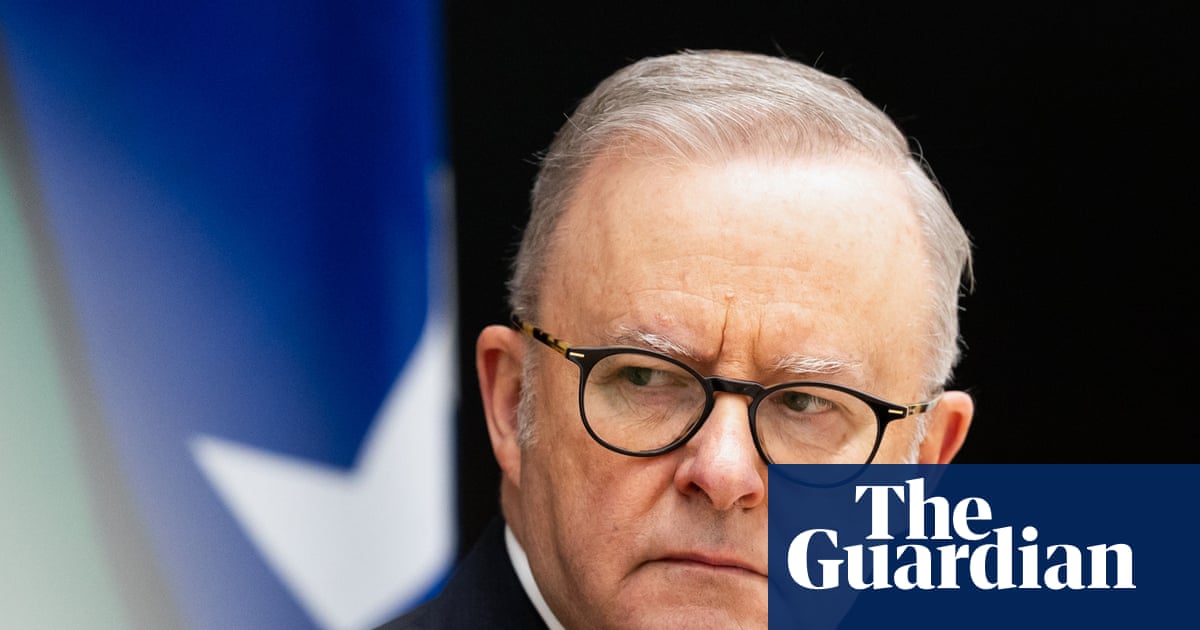
Prime Minister Anthony Albanese has intervened to ensure Australia's annual refugee intake remains at 20,000 places, quashing reports that Home Affairs Minister Tony Burke was planning a significant cut. This decision appears to be a response to rising political pressure from the One Nation party regarding migration levels, though Albanese stated the government was already adjusting n…
Imagine Australia has a special list of people who need a safe home, and they promise to help a certain number each year. Some people in charge wanted to help fewer people, but the main leader said, "No, we must keep our promise to help the same number of people who need it."
Analysis
Albanese's Intervention
Prime Minister Anthony Albanese has decisively stepped in to prevent a planned reduction in Australia's annual refugee intake, a move that had generated significant internal dissent within the Labor party and strong criticism from refugee advocacy groups. The initial proposal, reportedly spearheaded by Home Affairs Minister Tony Burke, suggested slashing the intake from 20,000 to 13,750 places for the 2027-28 financial year. This would have effectively reverted the quota to levels seen during the previous Coalition government's tenure. The intervention by Albanese underscores a critical juncture for the government, balancing its humanitarian obligations with mounting political anxieties, particularly concerning the rise of One Nation's anti-immigration platform.
One Nation's Influence
The government's consideration of reducing the refugee intake appears to be a direct response to increasing political pressure exerted by the One Nation party, which has seen a "spike in support." Prime Minister Albanese acknowledged this surge in One Nation's popularity, linking it to the government's broader efforts to manage migration levels. The government aims to reduce net overseas migration to 225,000 in the upcoming financial year, a target that has led to policy adjustments, including tightening rules for working holidaymakers. The proposed refugee cut, however, was seen by critics as capitulating to One Nation's agenda, potentially betraying Labor's own commitments and values.
Refugee Advocates' Concerns
Refugee advocacy organizations have voiced strong opposition to the proposed cuts, arguing that such a move would undermine Australia's humanitarian commitments and devastate individuals and families seeking safety. Jana Favero of the Asylum Seeker Resource Centre highlighted the plight of those waiting to be reunited with loved ones from conflict zones like Iran, Sudan, and Gaza. Paul Power of the Refugee Council of Australia emphasized that Australia has been a rare outlier among OECD nations for not reducing its refugee resettlement places in recent years. He argued that a cut would have minimal impact on overall migration figures but would be profoundly detrimental to those in desperate need of a safe haven, questioning the government's sincerity given its recent party conference aspirations to reach 27,000 places annually.
Key points
- Prime Minister Albanese has guaranteed Australia's annual refugee intake will not be reduced.
- Reports indicated Home Affairs Minister Tony Burke planned to cut the intake from 20,000 to 13,750 places.
- The government cited political pressure from One Nation and a need to manage migration levels as factors.
- Refugee advocates criticized the proposed cut as a betrayal of humanitarian commitments and party pledges.
- Labor's recent national conference aimed to maintain 20,000 places annually, aspiring to 27,000.
The prime minister's intervention ensures Australia upholds its humanitarian commitments, providing a vital pathway to safety for vulnerable individuals and reinforcing the nation's international standing as a compassionate global actor. This decision may also signal a commitment to evidence-based policy over populist pressures, fostering a more inclusive national discourse on migration.
The government's perceived capitulation to One Nation's pressure, even if reversed, could embolden anti-immigration sentiment and create uncertainty for future refugee intakes. It may also strain relations with refugee advocacy groups and international partners who rely on Australia's consistent humanitarian support.