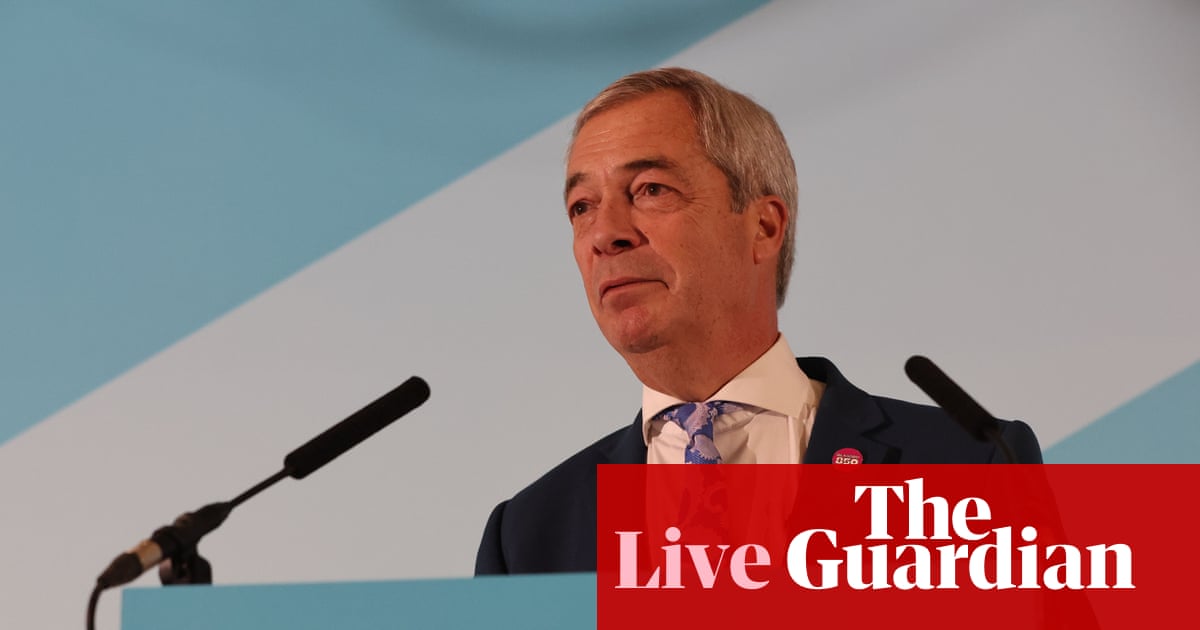
Albanian ambassador attacks UK right wing for ‘unhinged’ fixation with 2022 migrant surge
Albania's UK ambassador, Uran Ferizi, has criticized right-wing politicians and media for an "unhinged" focus on the 2022 surge of Albanian migrants. He argues this fixation ignores data showing the influx was short-lived and most have since left the UK.
Intelligence analysis by Gemini 2.5 Flash Lite
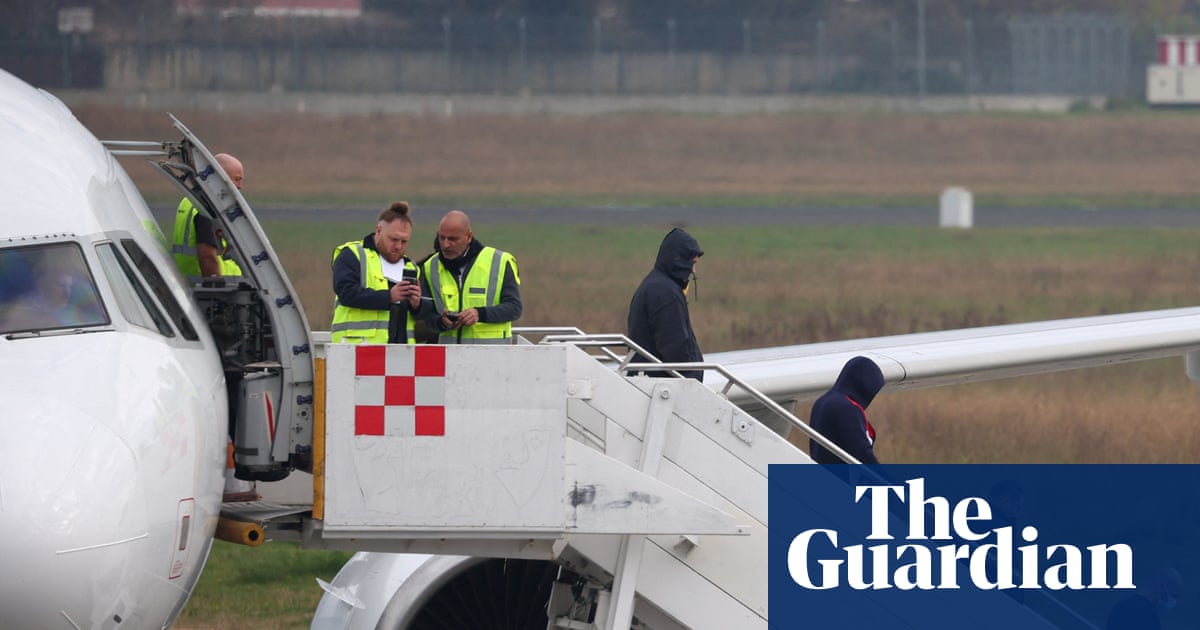
Albanian Ambassador Uran Ferizi contends that right-wing groups like Reform UK and media outlets such as the Daily Telegraph are disproportionately fixated on the 2022 surge of Albanian migrants, framing it as an ongoing crisis. Ferizi highlights that this influx was exceptional and temporary, with most individuals having since departed the UK, and suggests that restrictive UK visa po…
Imagine a group of kids from one country visited a school in another country for a short time, like a special trip. Some grown-ups in the new country keep talking about that short visit as if it's still happening, even though the kids have all gone home. The ambassador from the first country says this is unfair and that the grown-ups should look at the real numbers, not just keep talking about the old visit.
Analysis
Uran Ferizi's Critique
Albanian Ambassador Uran Ferizi has launched a strong public critique against what he perceives as an "unhinged" and "hysterical" fixation by certain segments of the UK's right-wing political establishment and media on the 2022 surge of Albanian migrants. Ferizi argues that this narrative, perpetuated by groups like Reform UK and publications such as the Daily Telegraph, continues to stigmatize the Albanian community in Britain long after the data indicates the phenomenon has subsided. He characterizes the 2022 influx of over 12,000 individuals as "real," "exceptional," and crucially, "short-lived," asserting that the ongoing focus by a "loud minority" distorts the reality of the situation and unfairly demonizes an entire community.
Ferizi, who himself has a personal history with migration, having arrived in the UK as a teenage stowaway before later studying at Oxford, suggests that direct engagement often dispels the negative stereotypes. He recounts an anecdote from a Reform UK event where, by the end of a pub quiz, his table's perception of him had shifted positively, implying that personal interaction undermines the "Albanian-spotting" agenda. He provocatively suggests that Reform UK might better serve the UK by focusing on domestic issues like youth unemployment rather than fixating on Albanian migrants. The ambassador also points to a concerning trend where mainstream Conservative politicians and even some in government appear more eager to echo right-wing headlines than to critically examine the evidence, indicating a potentially damaging political dynamic.
Visa Policies and Irregular Migration
Ambassador Ferizi's analysis, supported by a report drawing on Home Office and Oxford Migration Observatory data, posits a potential link between restrictive UK visa policies and the rise in irregular migration. The report indicates that Albanian applicants faced a significantly lower visa approval rate (65.5% over 2018-25) compared to other Western Balkan countries (around 90%), with tens of thousands of applications refused. While Ferizi stops short of directly claiming that visa refusals caused the 2022 surge, he raises the plausible argument that when legal avenues for migration are unusually difficult, vulnerable individuals may be more susceptible to exploitation by people traffickers and smugglers. This perspective challenges the common framing that solely attributes irregular migration to the choices of migrants themselves, introducing the role of systemic barriers and policy implications in shaping migration routes and risks.
Media Framing and Data Distortion
Ferizi specifically calls out the Daily Telegraph for what he describes as demonizing coverage of the Albanian community, citing a 2024 article that allegedly claimed one in 50 Albanians in the UK were in prison. The ambassador argues that such statistics, when presented without crucial adjustments for age, sex, and other relevant factors—as any fair comparison should entail—grossly distort the reality and serve to generate the desired sensationalist headline. This highlights a broader concern about how data is selectively presented or manipulated in media reporting to fit a pre-existing political narrative, potentially exacerbating xenophobia and misunderstanding. The ambassador's efforts to engage directly with media outlets, such as his unpublished letter to the Telegraph, underscore a diplomatic strategy aimed at countering what he views as inaccurate and harmful portrayals of his compatriots.
Key points
- Albanian Ambassador Uran Ferizi criticizes UK right-wing media and politicians for an "unhinged" focus on the 2022 migrant surge.
- Ferizi states the 2022 influx was exceptional and short-lived, with most migrants having since left the UK.
- He suggests restrictive UK visa policies may have pushed some Albanians towards people traffickers.
- The ambassador accuses media outlets of distorting data to demonize the Albanian community.
- Ferizi calls for an end to "Albanian-spotting" and a focus on evidence-based migration discussions.
If the UK political discourse shifts towards evidence-based discussions on migration, it could lead to more nuanced policies that address root causes and improve integration. This could foster better diplomatic relations between the UK and Albania, and reduce the stigmatization of Albanian communities in Britain.
Continued political and media fixation on the 2022 migrant surge could further entrench negative stereotypes, potentially leading to harsher immigration policies and increased discrimination against Albanians in the UK. This could also strain diplomatic ties and hinder cooperation on other important bilateral issues.