Algeria: Who is Khalida Boufedeche, the new president of the Assembly?
Khalida Boufedeche, an FLN deputy from Algiers, has been elected as the first woman president of Algeria's National People's Assembly on July 28, 2026, a historic first for both Algeria and the Maghreb region.
Intelligence analysis by Gemini 2.5 Flash
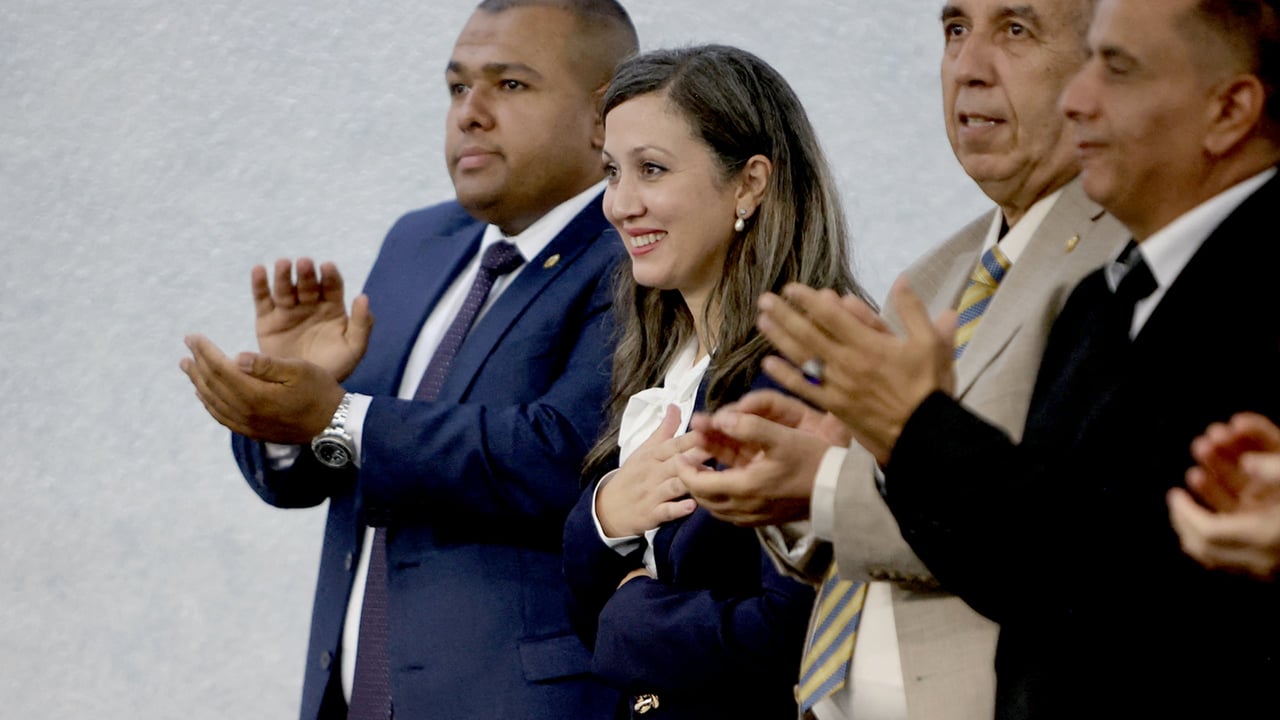
Khalida Boufedeche's election to lead Algeria's National People's Assembly marks a significant milestone as she becomes the first woman to hold this prestigious position in the country's history, and indeed across the entire Maghreb, with the backing of the presidency.
Imagine Algeria is like a big school, and they have a special club called the National Assembly where grown-ups make rules. For the very first time, a woman named Khalida Boufedeche has been chosen to be the leader of this club, like being the head student! This is a really big deal because it shows that girls can be leaders too, not just boys, and it's a first for Algeria and even its neighboring countries.
Analysis
A Historic First for Algeria and the Maghreb
Khalida Boufedeche's election as the President of the National People's Assembly on July 28, 2026, is not merely a political appointment but a profound historical moment for Algeria. Since the first APN election in 1977, following the 1976 Constitution, no woman had ever held this position. Her ascent breaks a nearly five-decade-long male-dominated tradition, marking a significant step forward for gender equality in the country's legislative branch.
Beyond Algeria's borders, this achievement resonates across the Maghreb region, where similar high-profile political roles for women remain rare. It sets a precedent that could inspire other nations in North Africa to re-evaluate and potentially accelerate their own efforts towards greater female representation in leadership.
The Political Backing and Strategic Significance
Boufedeche, an FLN deputy representing Algiers, secured the speaker's chair with the explicit support of "El Mouradia," a term often used to refer to the Algerian presidency. This backing from the highest echelons of power, likely from President Abdelmadjid Tebboune, underscores the strategic importance of her election. It suggests a deliberate move by the current administration to project an image of modernity and progressiveness, both domestically and internationally.
While the article notes a "chorus of praise" following her election, the political maneuvering behind such a significant appointment is undoubtedly complex, reflecting a calculated decision to leverage this historic moment for broader political objectives, potentially including enhancing the government's legitimacy and appeal.
Broader Implications for Governance and Society
The elevation of Khalida Boufedeche could have multifaceted implications for Algerian society and governance. Symbolically, it empowers women and girls, offering a tangible example of female leadership at the national level. Practically, her presidency might influence legislative priorities, potentially bringing new perspectives to policy-making, especially concerning social issues or women's rights, although the article does not explicitly detail her policy stances.
However, the article also hints at broader societal debates, mentioning related articles about the "alarming radicalization of Islamist discourse" and the "end of French language teaching" in primary schools. These suggest a complex and evolving social landscape where progressive political appointments like Boufedeche's will navigate alongside conservative pressures and national identity shifts. Her tenure will be closely watched as a barometer for the direction of Algerian politics and its commitment to inclusive governance.
Key points
- Khalida Boufedeche was elected President of Algeria's National People's Assembly on July 28, 2026.
- She is the first woman to hold this position in Algeria's history since the first APN election in 1977.
- Her election also marks a first for the entire Maghreb region.
- Boufedeche is an FLN deputy from Algiers and received support from the presidency ("El Mouradia").
- The event is seen as a significant milestone for gender representation in Algerian politics.
Khalida Boufedeche's historic election could inspire greater female participation in politics across Algeria and the Maghreb, fostering a more inclusive political landscape. Her leadership might also bring fresh perspectives to legislative debates, potentially leading to policies that better reflect the diverse needs of Algerian society.
While symbolic, the actual impact of her presidency on substantive policy changes or broader societal shifts towards gender equality might be limited if underlying political structures or conservative social forces remain resistant to change. The article also hints at an "alarming radicalization of Islamist discourse," which could pose challenges to progressive reforms.