All inhumane practices aim to depopulate Gaza of Palestinians
The article says Israel’s campaign in Gaza is causing mass displacement, deaths and worsening deprivation. It argues these conditions are part of a push to empty Gaza of Palestinians.
Intelligence analysis by GPT-5.4 Mini
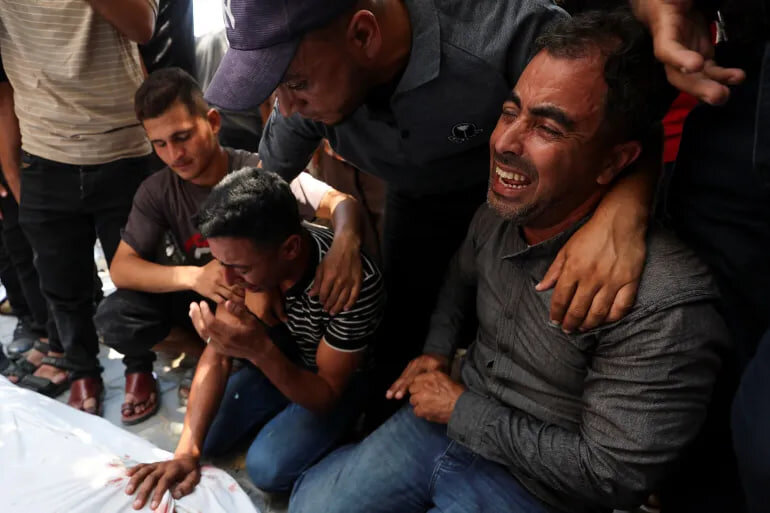
Tehran Times frames the Gaza war as a deliberate effort to make life unlivable and drive Palestinians out. It ties battlefield destruction, settlement talk and a new digital campaign together as signs that the crisis is continuing despite claims of a ceasefire.
The article says Gaza is being hurt in a way that goes beyond fighting. It is like someone breaking the windows, cutting the water, and blocking the doors so the people inside cannot live there anymore.
Analysis
A War Aimed Beyond the Battlefield
The article is not just describing military violence. It is arguing that the point of the campaign is to make Gaza uninhabitable through killing, displacement, starvation and the collapse of basic services.
That framing matters because it shifts the focus from short-term combat to long-term demographic change. If the article’s account is correct, the central issue is not only how many strikes are happening, but whether the conditions being created are meant to push Palestinians out permanently.
Settlements As A Political Signal
The story places heavy weight on remarks by Israeli officials about new outposts and settlements in northern Gaza. By linking those statements to earlier talk of "voluntary migration," it suggests the displacement is not accidental but tied to a political project.
The article also broadens the picture by invoking the idea of a "Greater Israel" held by ultra-hardline figures. That makes the Gaza war look, in the paper’s telling, like part of a larger territorial ambition rather than a limited security operation.
Fighting The Vanishing Narrative
A second thread in the article is media visibility. The "They Lied to You" campaign is presented as an attempt to correct the impression that a ceasefire ended the suffering, when the paper says bombardment, hunger and disease continue.
This is important because the battle over attention affects policy. If international audiences believe the war is over, pressure on Israel and its allies can fade even while the article says destruction and displacement continue on the ground.
Key points
- The article says Israel’s campaign in Gaza is creating conditions that make normal life impossible.
- It cites killing, displacement, starvation and poor sanitation as tools of pressure.
- Israeli remarks about outposts and settlements are presented as evidence of a land-grab agenda.
- Activists launched the "They Lied to You" campaign to keep Gaza visible after ceasefire claims.
- The paper argues that reduced media coverage does not mean the war or suffering has ended.
If the digital campaign succeeds, it could keep Gaza’s humanitarian crisis in global view and make it harder for leaders to treat the situation as resolved. That could increase pressure for aid access, a real ceasefire implementation and protection for civilians.
If the article’s claims hold, continued attacks and settlement activity could make displacement permanent and deepen the humanitarian collapse. The other risk is that shrinking media attention allows the crisis to continue with less outside pressure.