Almost 75% of England’s riverbanks ‘off limits’ to public, figures show
New research indicates that approximately 71% of riverbanks along main rivers and tributaries in England lack public access, leaving most waterways inaccessible for activities like swimming and recreation.
Intelligence analysis by Gemini 2.5 Flash Lite
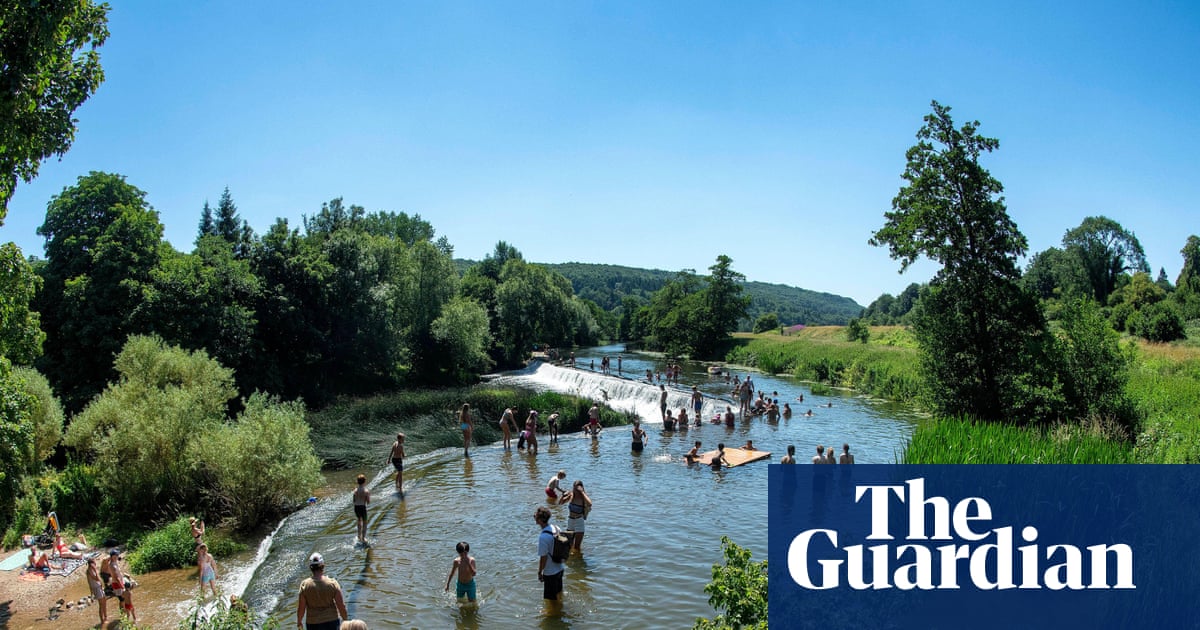
Campaigners are urging the UK government to establish a legal right of access to water, highlighting that the vast majority of England's riverbanks are off-limits to the public, a situation exacerbated by increasingly common heatwaves.
Imagine most of England's rivers are like a private backyard that you're not allowed to enter. Even though the water is there, and it's nice to be near on a hot day, almost three-quarters of the riverbanks are fenced off by landowners, making it hard for people to swim or even walk beside them.
Analysis
A Widespread Exclusion from Waterways
The research conducted by the Right to Roam campaign reveals a stark reality for public access to England's rivers: a staggering 71% of riverbanks along major rivers and their tributaries are effectively off-limits. This lack of access spans across 89 river catchments, from the southwest of Cornwall up to the northern border with Scotland. The findings remain consistent whether urban areas are included or excluded, indicating a systemic issue rather than a localized problem. Furthermore, the situation is compounded by the absence of a defined statutory right to the water itself on 96% of rivers in England and Wales, meaning activities such as swimming, paddling, and even simply enjoying the riverside are frequently contested by private landowners.
The Disconnect Hinders Conservation Efforts
Environmental advocates argue that this widespread exclusion from natural water bodies has a detrimental effect on conservation efforts. Kate Rew of the Outdoor Swimming Society emphasizes that people are less likely to fight for places they are excluded from. By reconnecting people with rivers through accessible swimming, walking, and spending time by the water, there is a greater chance of fostering a sense of stewardship and a desire to protect and restore these vital ecosystems. The current situation, where many long-distance walking trails are named after rivers they cannot actually follow due to lack of access, exemplifies this disconnect, forcing routes to divert significantly away from the very waterways they are meant to celebrate.
A Call for Policy Change Amidst Climate Extremes
As England grapples with increasingly frequent and intense heatwaves, the need for accessible natural cooling spaces becomes more critical. Campaigners are pressing the new environment secretary, Angela Eagle, to expedite a promised consultation on access to nature and to introduce a legal right of responsible access to water and land. While the current government has committed to creating new river walks, such as the nine announced nationally, evidence suggests these initiatives are not necessarily creating new public access points. The data also highlights significant regional disparities, with some catchments experiencing near-total exclusion (90% in Severn Middle Shropshire) while others have comparatively more access (49% in New Forest), underscoring the uneven landscape of public rights.
Key points
- Approximately 71% of riverbanks in England lack public access, according to Right to Roam research.
- There is no defined statutory right to the water itself on 96% of rivers in England and Wales.
- Campaigners are urging the government to introduce a legal right of access to water and land.
- Lack of access limits recreational opportunities and hinders public engagement in river conservation.
- The issue is highlighted by increasingly frequent heatwaves, making accessible water bodies crucial.
Introducing a right of access to water could foster a stronger connection between the public and England's rivers, potentially leading to increased engagement in conservation efforts and a greater appreciation for these natural resources. This reconnection could also provide much-needed accessible spaces for recreation and cooling during increasingly frequent heatwaves.
Without a legal right of access, riverbanks will likely remain largely off-limits, perpetuating a disconnect between people and nature and limiting opportunities for recreation and cooling. This could also hinder vital conservation work, as public engagement and advocacy for river restoration may diminish when access is restricted.