Amatrice earthquake anniversary: Meloni attends commemoration
Italy commemorates the 10th anniversary of the devastating 2016 earthquake that struck central Italy, claiming 299 lives. Commemorations include silent torchlight processions, solemn masses, and ceremonies attended by national and local authorities, including Prime Minist…
Intelligence analysis by Gemini 2.5 Flash Lite
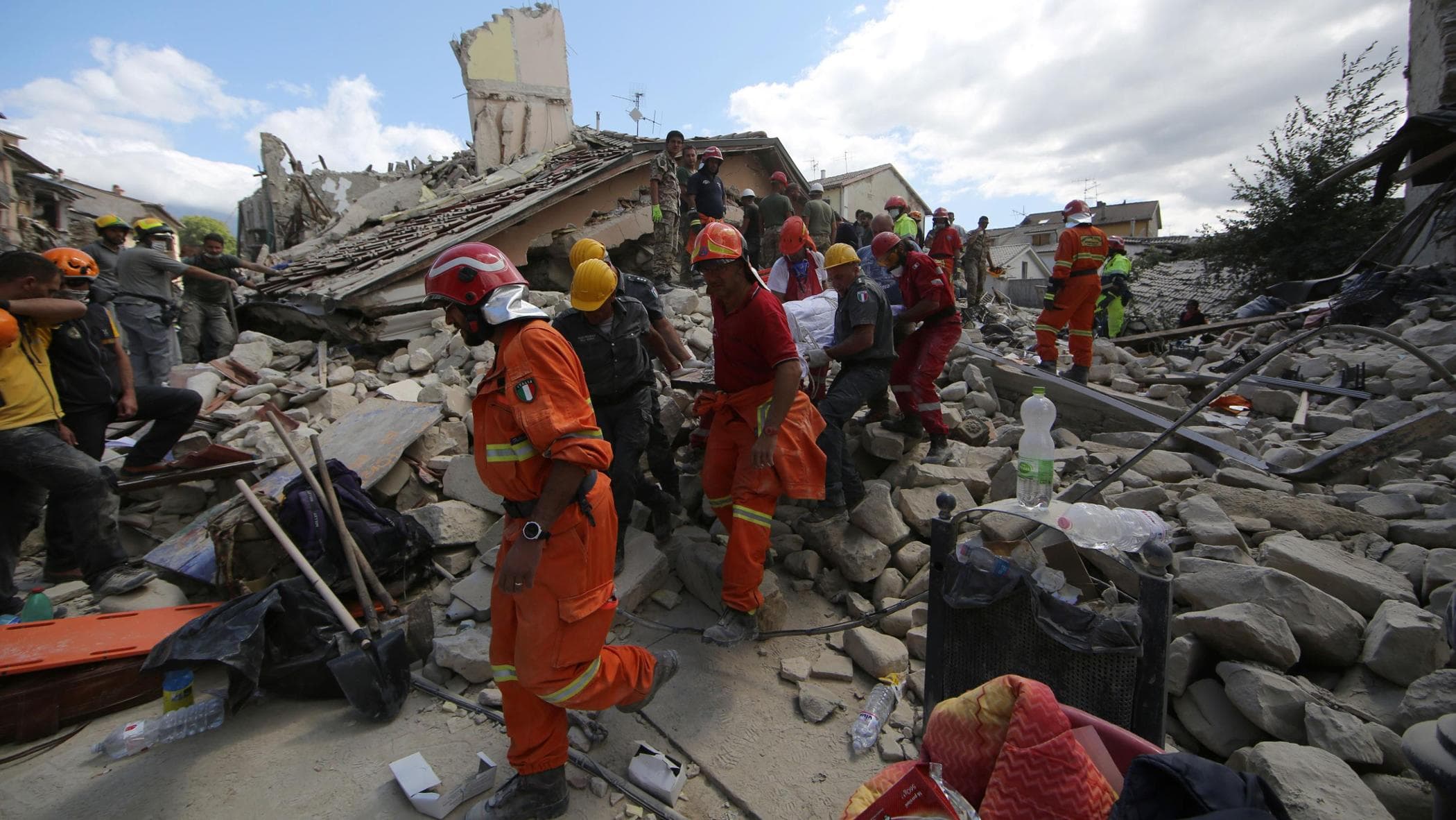
Ten years after the catastrophic earthquake that ravaged central Italy, the nation pauses to remember the 299 victims. The anniversary events, centered in Amatrice and Accumoli, feature solemn ceremonies, including masses and processions, with Prime Minister Giorgia Meloni and President Sergio Mattarella emphasizing the ongoing commitment to reconstruction and the importance of solida…
Imagine a giant shook the ground really hard, and it knocked down many houses and sadly hurt many people in a part of Italy. Today, people are remembering that sad day, 10 years later. They are holding quiet walks with lights and having special church services to honor everyone who was lost and to talk about rebuilding the towns to be strong again.
Analysis
Ten Years Since the Tremors
The night of August 24, 2016, remains etched in Italy's collective memory as a devastating earthquake struck the Apennine region, leveling towns like Amatrice, Accumoli, and Arquata del Tronto. The seismic event claimed 299 lives, with Amatrice bearing the brunt of the tragedy, its landscape forever altered by the destruction. The anniversary commemorations, beginning with a silent torchlight procession at the exact time of the first tremor (3:36 AM), underscore the profound and lasting impact of the disaster. The reading of each victim's name, accompanied by the tolling of church bells, serves as a poignant tribute to those lost and a somber acknowledgment of the community's enduring grief.
Reconstruction Efforts and Challenges
Prime Minister Giorgia Meloni, present at the commemorations, acknowledged the significant challenges and delays that have plagued the reconstruction efforts over the past decade. She stated that while much has been done, with tangible progress in both private contributions and public investments, the work is far from over. Meloni emphasized the government's commitment to accelerating the rebuilding process, aiming to restore normalcy to the affected areas. President Sergio Mattarella echoed this sentiment, describing reconstruction as a complex but necessary path that requires collective responsibility and swift completion to mend the fabric of the communities torn apart by the earthquake.
Solidarity and Prevention
President Mattarella also highlighted the crucial role of volunteers and first responders, whose swift and generous actions provided not only aid but also a beacon of hope for recovery. He characterized the spirit of solidarity demonstrated by Italians as a powerful tool for resilience in the face of such immense natural calamities. The earthquake serves as a constant reminder of the need to continuously strengthen prevention and intervention mechanisms for seismic events, a critical lesson learned from the tragedy. The ongoing commitment to rebuilding and the memory of the victims underscore the nation's resolve to overcome such adversities and emerge stronger.
Key points
- Italy is commemorating the 10th anniversary of the devastating 2016 earthquake that struck central Italy, killing 299 people.
- Anniversary events include silent torchlight processions, solemn masses, and ceremonies in Amatrice and Accumoli.
- Prime Minister Giorgia Meloni and President Sergio Mattarella attended the commemorations, emphasizing ongoing reconstruction efforts.
- Leaders acknowledged past delays in reconstruction but pledged continued commitment to rebuilding and supporting affected communities.
- The earthquake serves as a reminder of Italy's seismic vulnerability and the importance of prevention and solidarity.
The ongoing commitment from national leaders like Prime Minister Meloni and President Mattarella suggests a continued focus on the reconstruction efforts, potentially leading to faster progress in rebuilding homes and infrastructure. The shared sense of national solidarity could foster further community resilience and support for the affected regions.
Despite assurances, the history of reconstruction in Italy is often marked by bureaucratic delays and complexities, raising concerns that the process may continue to be slow. The sheer scale of the devastation and the ongoing challenges of rebuilding in a seismically active zone present significant long-term hurdles.