Amber heat-health alerts issued for most of England as temperatures could reach 36C or higher this week – latest updates
Amber heat-health alerts have been issued for most of England as temperatures are expected to reach 36C or higher this week. The alerts will be in place from 9am on Tuesday until 9pm on Friday.
Intelligence analysis by Llama
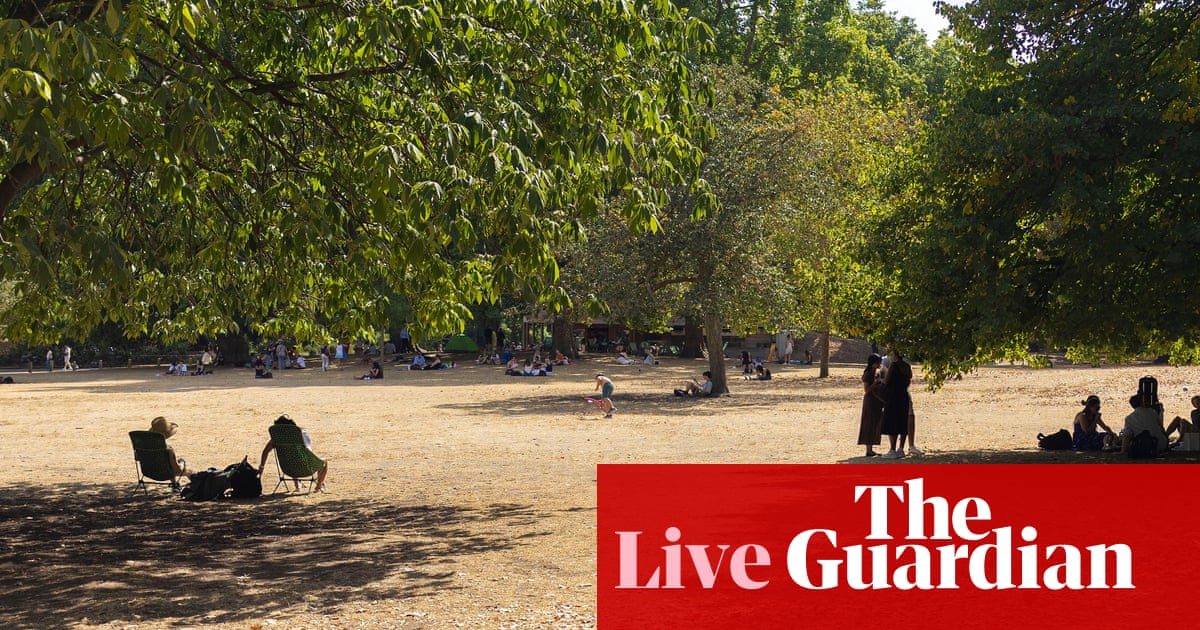
England is facing another heatwave, with temperatures expected to reach 36C or higher this week. Amber heat-health alerts have been issued for most of the country, with the UK Health Security Agency warning of increased health risks, particularly for vulnerable groups.
England is facing a heatwave, with temperatures expected to reach 36C or higher this week. This means that people, especially older adults and those with health conditions, need to take extra care to stay safe. They should drink plenty of water, stay in the shade, and keep their homes cool. It's also important for people to check on their friends and family who might be vulnerable to the heat.
Analysis
England's Heatwave: A Growing Concern for Public Health
The UK is facing another heatwave, with temperatures expected to reach 36C or higher this week. The UK Health Security Agency (UKHSA) has issued amber heat-health alerts for most of England, warning of increased health risks, particularly for vulnerable groups such as older adults and those with existing health conditions.
The heatwave is not only a concern for public health but also for the environment. England had just 7% of the long-term average rainfall for July, with southern England experiencing even less rainfall. This has led to damaging greenery in parks, protected land, and sports fields. The dry spell has also caused rivers and lakes to shrink, with the Thames at Reading recording its lowest ever level.
The UKHSA is urging health and social care services to prepare for the heatwave and for people to check on vulnerable friends and family. They are also advising people to take simple steps to stay safe during periods of hot weather, such as drinking plenty of water, avoiding the sun during the hottest part of the day, and keeping indoor spaces cool.
The heatwave is a reminder of the importance of preparing for extreme weather events. The UKHSA is working closely with local authorities and health services to ensure that everyone is aware of the simple steps they can take to stay safe during periods of hot weather.
The Impact on Vulnerable Groups
The heatwave poses a significant risk to public health, particularly for vulnerable groups such as older adults and those with existing health conditions. The UKHSA is urging health and social care services to prepare for the heatwave and for people to check on vulnerable friends and family.
The heatwave is also affecting the environment, with damaging greenery in parks, protected land, and sports fields. The dry spell has also caused rivers and lakes to shrink, with the Thames at Reading recording its lowest ever level.
The Role of Local Authorities
Local authorities are playing a crucial role in preparing for the heatwave. They are working closely with health services to ensure that everyone is aware of the simple steps they can take to stay safe during periods of hot weather.
The UKHSA is also advising local authorities to take steps to mitigate the impact of the heatwave on vulnerable groups. This includes providing additional support to health and social care services and ensuring that people are aware of the simple steps they can take to stay safe during periods of hot weather.
Key points
- Amber heat-health alerts have been issued for most of England as temperatures are expected to reach 36C or higher this week.
- The UK Health Security Agency is warning of increased health risks, particularly for vulnerable groups such as older adults and those with existing health conditions.
- Local authorities are working closely with health services to ensure that everyone is aware of the simple steps they can take to stay safe during periods of hot weather.
- The heatwave is also affecting the environment, with damaging greenery in parks, protected land, and sports fields.
- The dry spell has caused rivers and lakes to shrink, with the Thames at Reading recording its lowest ever level.
If the heatwave plays out positively, it could lead to increased awareness of the importance of preparing for extreme weather events. This could result in better preparedness and response to future heatwaves, ultimately saving lives and reducing the impact on public health.
The heatwave poses a significant risk to public health, particularly for vulnerable groups such as older adults and those with existing health conditions. If the heatwave is not managed effectively, it could lead to serious health outcomes, including heat-related illnesses and even death.