American Airlines to restore seatback screens on US flights
American Airlines is restoring seatback displays across its domestic fleet, reversing a years-long strategy of removing them from most US routes. The company is also adding more premium seats, aiming to improve the travel experience and boost revenue.
Intelligence analysis by Llama
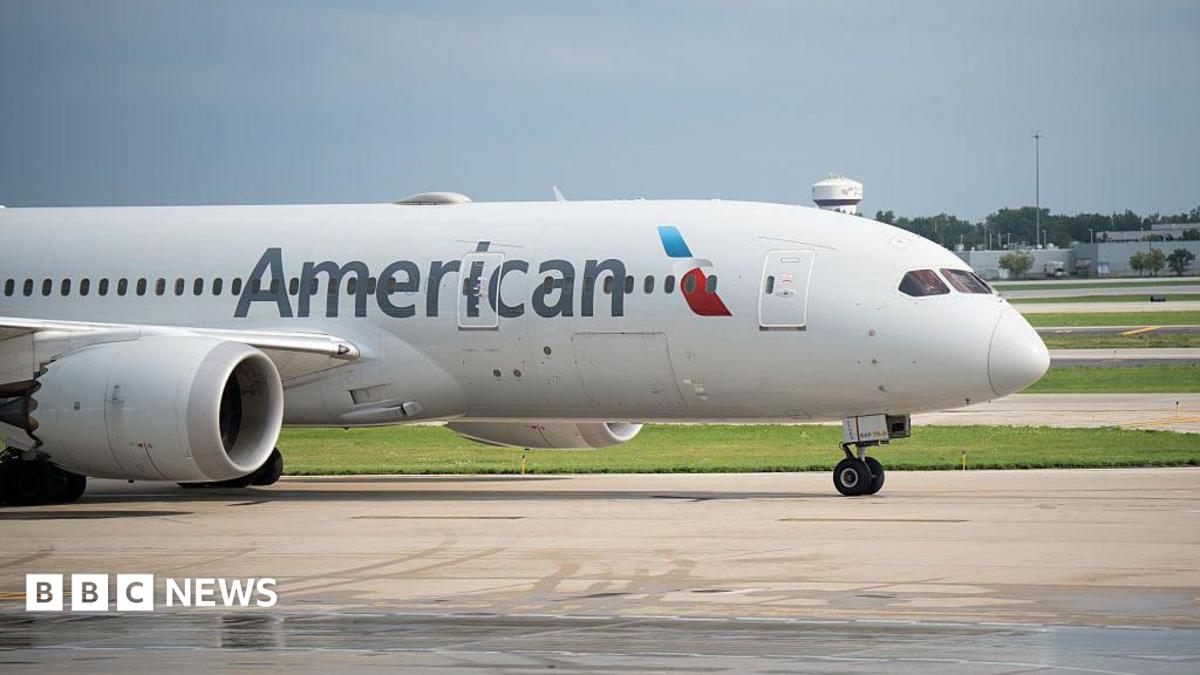
American Airlines is restoring seatback screens on its US domestic flights, reversing a decision made in 2017. The move is aimed at improving the travel experience and boosting revenue, with the company also adding more premium seats.
American Airlines is putting back the screens on its planes so that people can watch movies and TV shows while they fly. This is because many people got tired of using their own devices and wanted a better experience.
Analysis
The Shift in Passenger Expectations
The decision by American Airlines to restore seatback screens on its US domestic flights is a significant move that reflects a shift in passenger expectations. For years, the airline had been removing seatback displays from its Boeing 737s and Airbus A320-family jets, arguing that most travellers preferred to stream entertainment on their own devices. However, this strategy left the carrier out of step with competitors like Delta and United, which have invested heavily in onboard entertainment to support a more premium cabin experience.
The Impact of Technology
The long pull in the tent is technology, and the airline industry is no exception. As technology improves, with lighter hardware, lower power use, and cheaper installation, screens have become easier for airlines to justify. In fact, analysts say that the early moves by Delta to introduce a basic economy fare and add new products have put the carrier further along in its commercial journey.
The Competitive Landscape
The decision by American Airlines to restore seatback screens is also a reflection of the competitive landscape in the airline industry. With carriers like Delta and United investing heavily in onboard entertainment, American Airlines is trying to stay competitive and consistent. By restoring seatback screens, the airline is betting that more reliable onboard amenities will help it win customers while still appealing to budget-conscious travellers.
The Future of Air Travel
The restoration of seatback screens on American Airlines' US domestic flights is a significant development that reflects a shift in passenger expectations and a desire for a more premium cabin experience. As technology continues to improve and airlines invest in new products, it will be interesting to see how the competitive landscape in the airline industry evolves.
Key points
- American Airlines is restoring seatback displays across its domestic fleet.
- The company is also adding more premium seats to improve the travel experience.
- The decision is aimed at boosting revenue and staying competitive in a cooling market.
- The airline had removed seatback screens from most US routes in 2017.
- Competitors like Delta and United have invested heavily in onboard entertainment.
If American Airlines' decision to restore seatback screens is successful, it could lead to increased customer satisfaction and loyalty. This, in turn, could boost revenue and help the airline stay competitive in a cooling market.
However, there are also potential downsides to consider. For example, the cost of installing and maintaining seatback screens could be higher than expected, which could impact the airline's bottom line.