Americans echo Pope Leo’s concerns about AI: ‘It threatens workers, privacy and human life’
US readers backed Pope Leo’s warning that AI needs strict limits, citing risks to jobs, privacy, education and safety.
Intelligence analysis by GPT-5.4 Mini
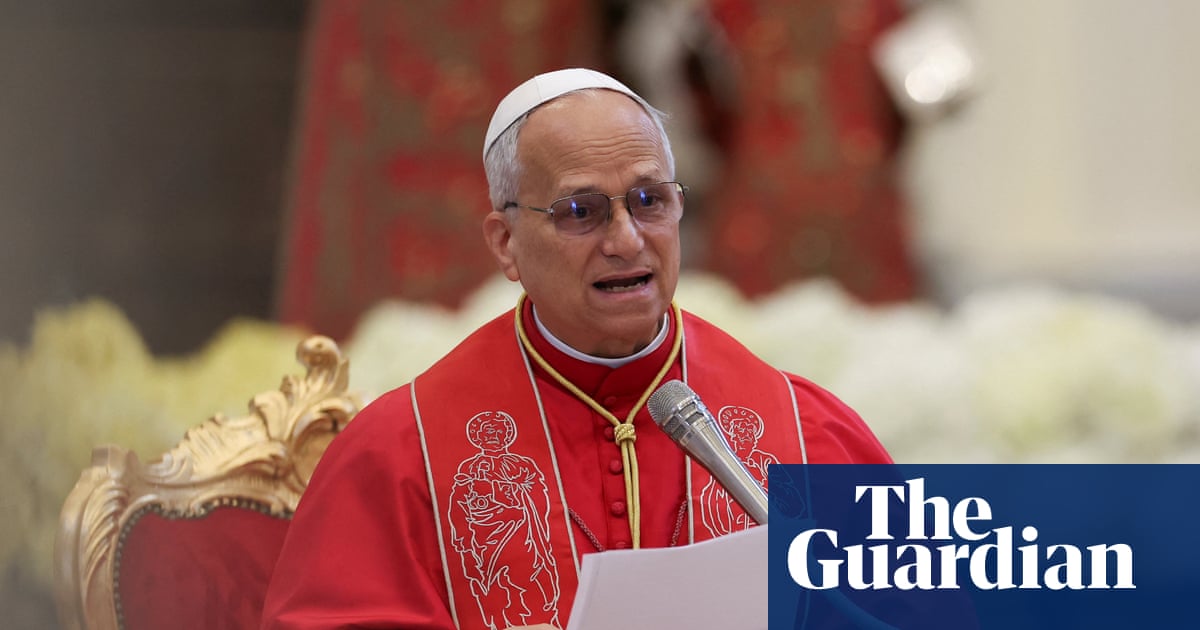
Guardian readers in the US largely agreed with Pope Leo XIV’s warning that AI is advancing too fast and too freely. Their comments focused on worker displacement, surveillance, weakened critical thinking, environmental costs and the use of AI in war.
Pope Leo said AI can be dangerous if people let it grow with no rules. He worried it could hurt jobs, privacy, and the way people treat each other.
The people in the story mostly agreed. They said AI can act like a giant machine that takes over tasks, watches people too closely, and makes thinking practice weaker, like using a calculator before learning basic math.
The bigger idea is that new tools can help, but only if adults set fair rules. Without that, the benefits may go to a few powerful companies while many ordinary people feel the harm.
Analysis
What the article says
Pope Leo XIV’s first major papal text framed artificial intelligence as a serious threat that needs tight ethical limits. He warned about a “culture of power” around the technology and said it could create new forms of exploitation in the digital economy.
How readers responded
The Guardian asked US readers whether they shared that concern, and many did. Several said AI is moving faster than oversight can keep up, and that the technology is already affecting work, privacy and human judgment. A former small business owner in Boston said the main issue is preserving human dignity and avoiding substitutes for real human agency. A print shop supervisor in New Jersey argued that unregulated AI could hurt workers and privacy, and even feed a surveillance state.
Others focused on education and concentration. A college professor in Massachusetts said AI can weaken students’ ability to think critically, research carefully and write for themselves. A reader in California said moral leadership is missing from major tech figures, while another reader working in aid said the technology is being pushed for profit while consuming resources, supporting warfare and threatening livelihoods.
The economy angle
The piece is less about a single market event than about the politics of AI’s spread. It links the technology to labor costs, monopoly power, public oversight and the distribution of economic gains. That makes it relevant to anyone tracking how AI changes work, regulation and the balance between public interest and private profit.
Key points
- Pope Leo XIV warned that AI needs the strictest ethical limits because of its risks to human dignity.
- US readers echoed concerns about job losses, privacy, surveillance and harm to human judgment.
- Several readers said AI is being driven by profit and weak oversight rather than public interest.
- The story links AI to labor markets, education, environmental costs and warfare.
- It reflects growing pressure for regulation as AI becomes embedded in the economy.