Americans feel pinch of continued Iran war: ‘It’s screwed everything up’
The US-Iran war has been ongoing for five months, with no clear victory, defeat, or peace in sight. Americans are feeling the pinch of the war, with rising gas prices, a longer line at food pantries, and a sense of frustration and disillusionment.
Intelligence analysis by Llama
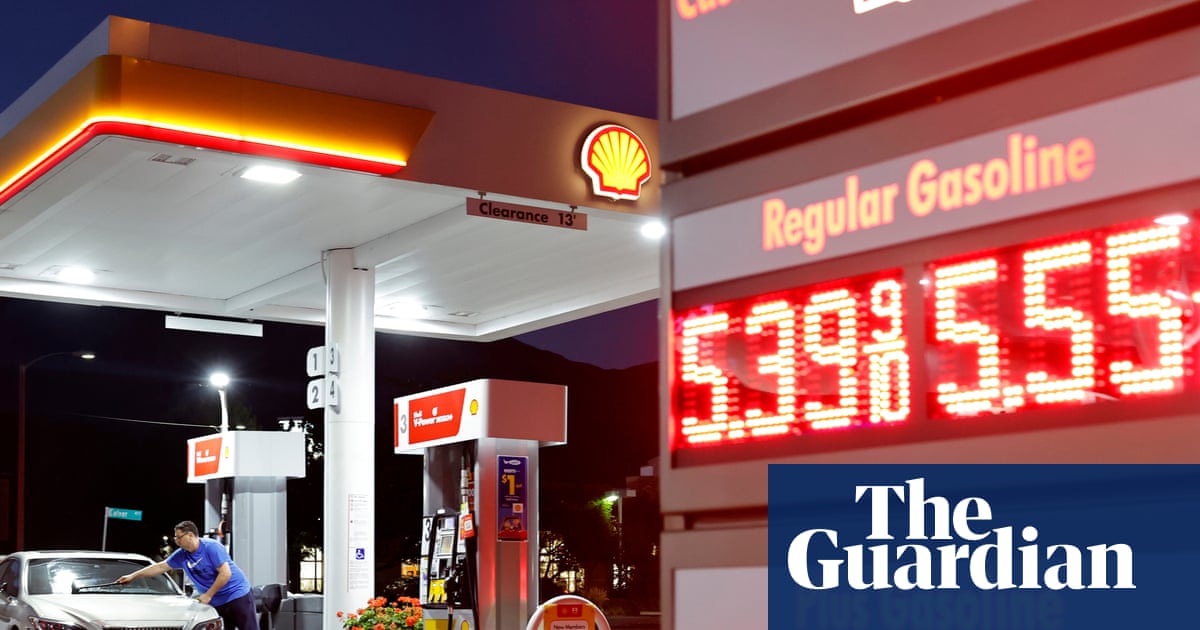
The US-Iran war has been ongoing for five months, with no clear victory, defeat, or peace in sight. Americans are feeling the pinch of the war, with rising gas prices, a longer line at food pantries, and a sense of frustration and disillusionment.
Imagine you're playing a game with your friends, and you all agree to play by the rules. But then, one of your friends decides to change the rules without telling the others. That's kind of what's happening with the US-Iran war. The US and Israel started a war against Iran without a clear plan or endgame, and now the war is causing problems for people all over the world, including in the US. It's like the game has gotten out of control, and nobody knows how to stop it.
Analysis
A War Without Endgame: The US-Iran Conflict's Unintended Consequences
The US-Iran war has been ongoing for five months, with no clear victory, defeat, or peace in sight. The war's impact on the global economy, politics, and the lives of ordinary Americans is a pressing concern for many. The war's unintended consequences are far-reaching, affecting not only the people of Iran but also the people of the United States.
One of the most significant unintended consequences of the war is the rise in gas prices. The average price of gasoline has pushed above $4 a gallon for the first time in years, according to AAA. This has a disproportionate impact on lower- and middle-income households, who spend a larger share of their budgets on fuel. The war's impact on gas prices is a clear example of the unintended consequences of military action.
Another unintended consequence of the war is the longer line at food pantries. The war's impact on the global economy has led to a rise in food prices, making it harder for people to access basic necessities. This has a disproportionate impact on vulnerable populations, such as the elderly and those with disabilities. The war's impact on food prices is a clear example of the unintended consequences of military action.
The war's impact on the lives of Iranian civilians is also a pressing concern. The war has led to a humanitarian crisis, with tens of thousands of civilians killed or injured. The war's impact on the lives of Iranian civilians is a clear example of the unintended consequences of military action.
The US-Iran war has significant implications for the global economy, politics, and the lives of ordinary Americans. The war's impact on gas prices, food costs, and the lives of Iranian civilians is a pressing concern for many. The war's unintended consequences are far-reaching, affecting not only the people of Iran but also the people of the United States.
A Divided Nation: The War's Impact on American Politics
The US-Iran war has significant implications for American politics. The war's impact on the lives of ordinary Americans is a pressing concern for many. The war's unintended consequences are far-reaching, affecting not only the people of Iran but also the people of the United States.
One of the most significant unintended consequences of the war is the rise in anti-war sentiment. Many Americans are feeling frustrated and disillusioned with the war, with some calling it a
Key points
- The US-Iran war has been ongoing for five months, with no clear victory, defeat, or peace in sight.
- The war's impact on gas prices has led to a rise in prices, affecting lower- and middle-income households disproportionately.
- The war's impact on food prices has led to a longer line at food pantries, affecting vulnerable populations.
- The war's impact on the lives of Iranian civilians has led to a humanitarian crisis, with tens of thousands of civilians killed or injured.
- The US-Iran war has significant implications for American politics, with a rise in anti-war sentiment and a divided nation.
If the US and Iran can come to a peaceful agreement, it could lead to a significant reduction in gas prices and a decrease in the number of people affected by the war. Additionally, a peaceful resolution could lead to increased trade and economic cooperation between the two countries, benefiting both nations.
If the war continues to escalate, it could lead to a significant increase in gas prices, a decrease in the number of people affected by the war, and a worsening of the humanitarian crisis in Iran. Additionally, the war could lead to a global economic downturn, affecting not only the US and Iran but also other countries around the world.